



Let’s Talk About Scaling Your UV Sterilization Hardware
Starting a brand in the UV space is easy. The hard part? Making sure your hardware doesn’t just quit on you the moment it hits a real-world workload. If you’re looking for an OEM partner, you don’t need a sales pitch. You need gear that actually stays stable. That’s where we come in. We focus on the gritty stuff—getting the UVC output right without frying your power supply.
The Balancing Act: Power vs. Heat
Here’s the thing about sterilization: it all comes down to that 253.7nm wavelength. If you’re off, it doesn’t work. We make sure our lamps hit that mark exactly. But there’s a catch. If you crank up the wattage to kill germs faster, you’re basically inviting heat to ruin your day. It puts a massive strain on the ballast. To fix this, we build our circuits to eat those voltage spikes for breakfast, so your lamps actually last. Just a heads-up: if you’re pushing for max intensity, you’ll need some serious venting in your chassis. Otherwise, your electronics are going to bake.
Getting the Hardware Right
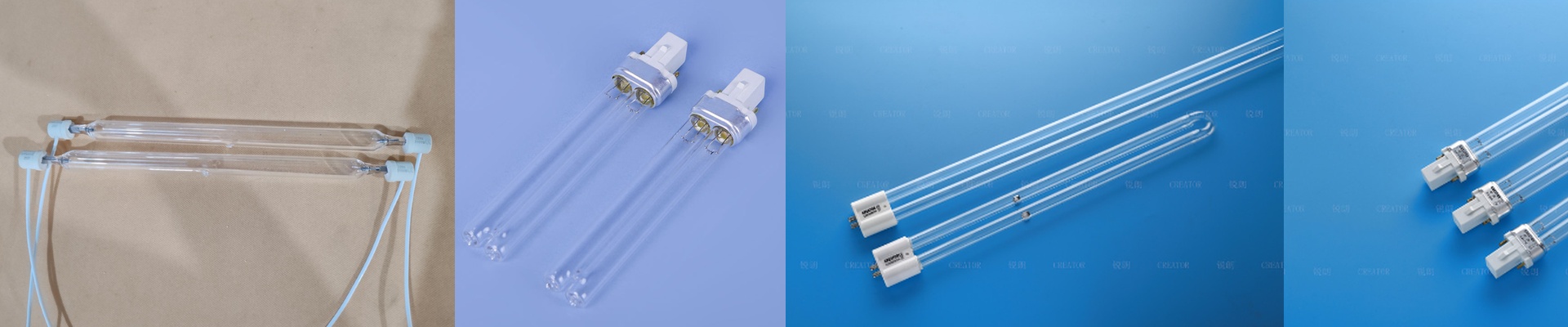
We can do T5, T8, or those specialized quartz tubes—whatever fits your footprint. But honestly? The seal is where most people mess up. We use high-grade quartz glass because it lets the UVC pass through without getting blocked. As for the connectors, we keep it simple. We use standard industrial interfaces so they just slide right into your existing assembly line. You tell us how you want the pins; we make sure the connection is tight so you don’t have to worry about arcing.
Making it Your Own
Customizing a UV line is about more than just slapping a logo on a plastic box. We sit down with you to figure out exactly how much light (irradiance) your specific project needs. We can tweak the lamp length and the power draw to fit your power supply perfectly. One thing to keep in mind: more power usually means the lamp dies sooner. It’s a trade-off. We’ll give you the raw data sheets so you can tell your customers exactly when to swap them out. You handle the brand side of things. We’ll handle the engineering that keeps the lights from flickering or burning out too early.