
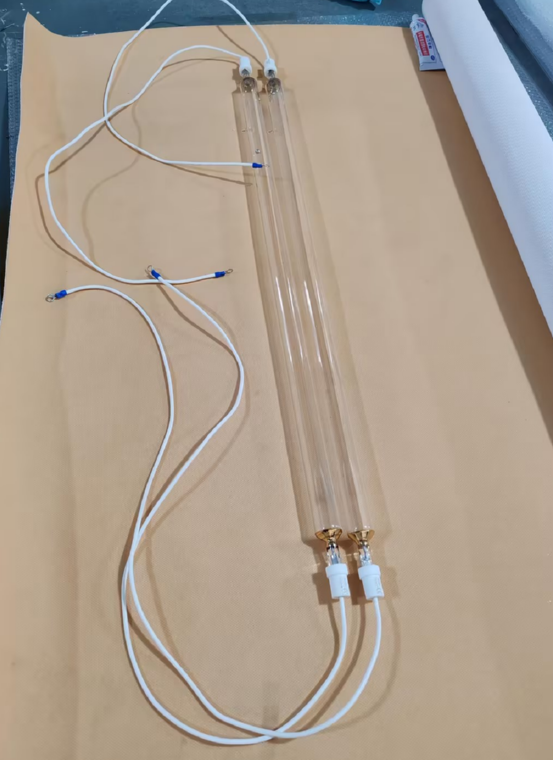
Stop Guessing With Your UV Lamps
For a long time, UV systems have been “set it and forget it.” You plug them in, they glow, and you just hope they’re actually doing their job. The problem is, these lamps are basically blind. You know they have power, but you have no clue if the gas is running low or if the output is actually killing the germs. It’s a bit of a gamble.
Why the old way is a headache
Most people just use a timer. When the calendar says the lamp is old, they swap it out. But here’s the thing: that’s rarely accurate. Sometimes you’re throwing away a perfectly good lamp way too early. Other times, the lamp is barely putting out any UVC, and you’re running your system with a false sense of security. We’ve fixed this by adding an IoT power module. Now, we can actually track the voltage and current in each ballast. If the power dips, it usually means the electrode is wearing out or the quartz is getting dirty. Instead of guessing, you get a real-time feed. You’ll know exactly when a lamp hits 80% strength. No more guesswork.
The tricky part (and how we handle it)
Now, you can’t just slap a sensor onto a UV lamp. Those things get hot. Really hot. If the electronics sit too close to the arc tube, they’ll fry in minutes. To stop that from happening, we use shielded cabling and move the telemetry modules away from the heat. Yeah, it makes the initial wiring a bit more involved. You’ll need a gateway and a protocol like Modbus or MQTT to get the data into your PLC. It costs a bit more upfront, but it beats the cycle of replacing lamps just because a calendar told you to.
What this actually changes for you
This turns UV sterilization from a chore into something you can actually manage. Imagine having a facility that’s 100 meters long. Instead of sending a technician to walk the entire line and squint at bulbs to see if they’re burnt out, you can just check your screen. It’s a huge relief. You finally know for sure that your industrial lines are actually sterile, without having to spend your whole day walking the floor.