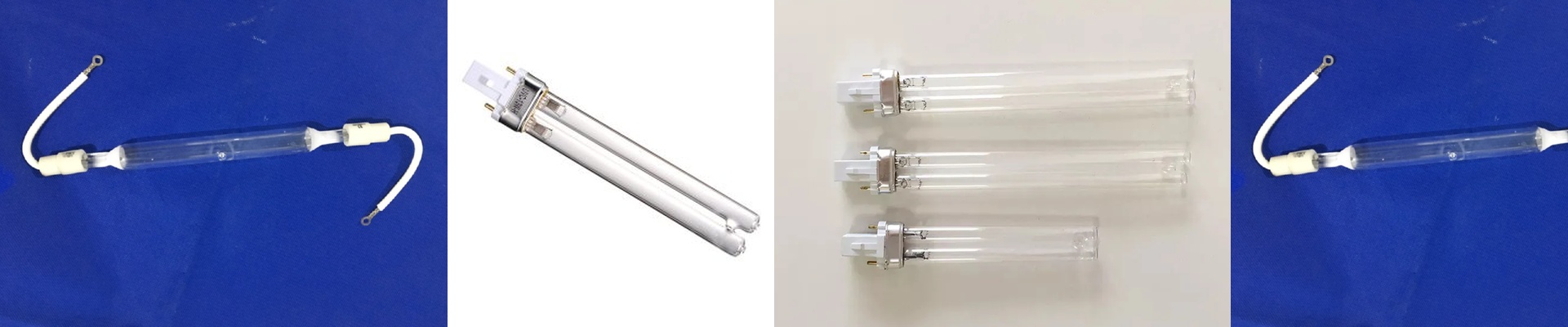
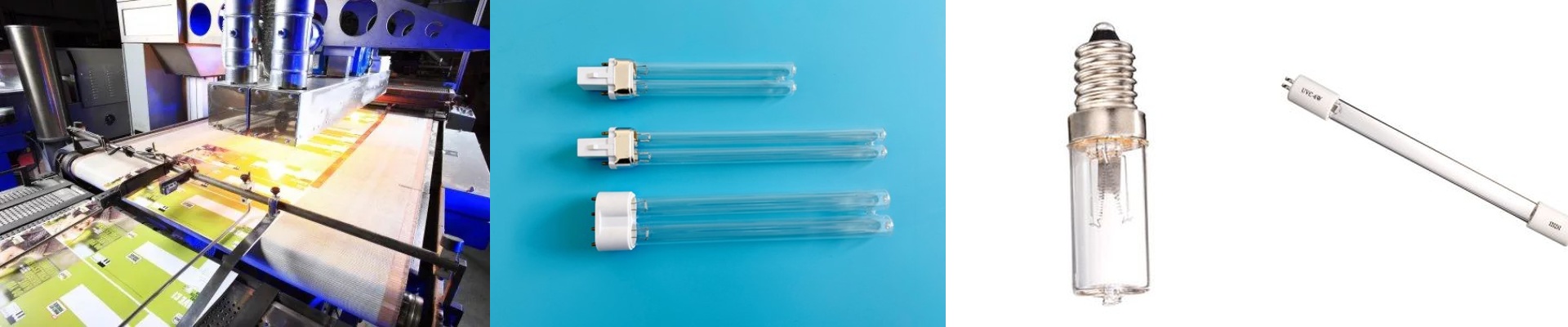
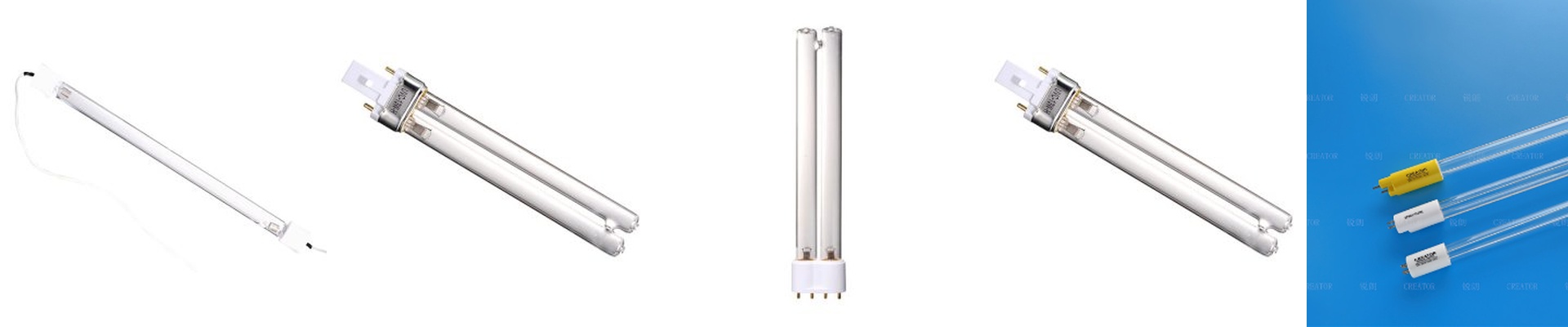
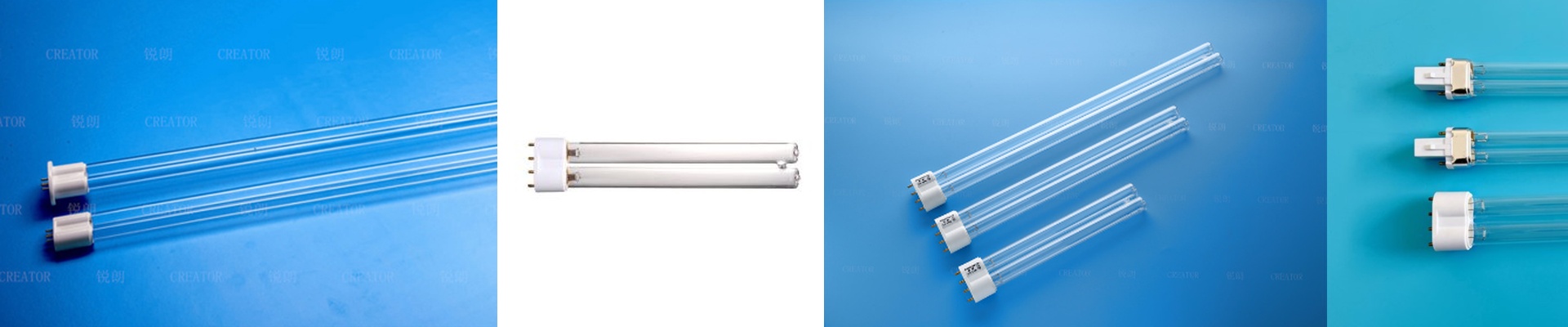
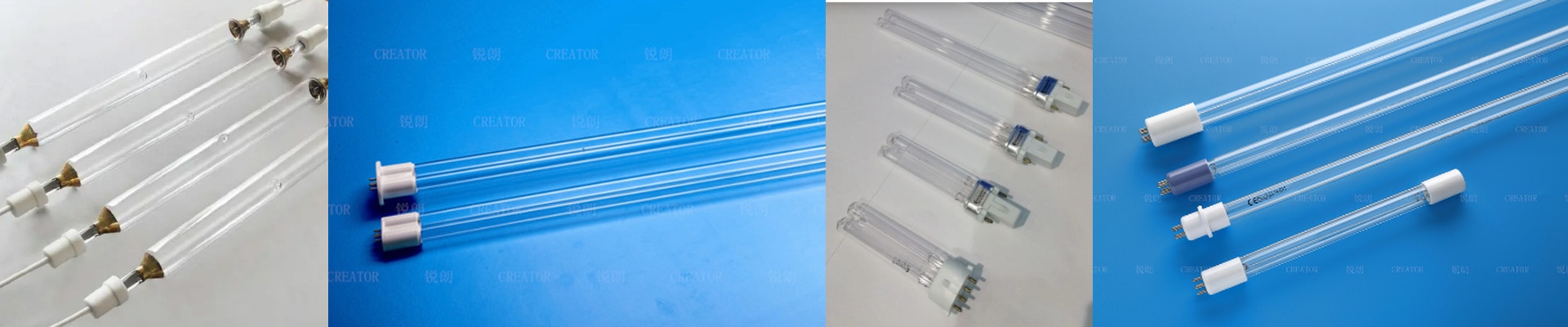
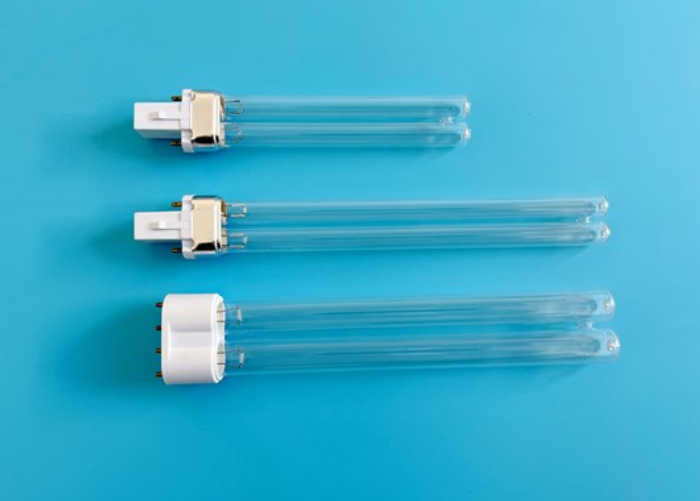
On a credit card line, inconsistent cure isn’t a “maybe” problem—it’s a reject pile problem. Under-cure leaves the overlay short on cross-linking, and the card fails abrasion. Over-cure just burns power and eats lamp life. The UV curing lamp has to deliver repeatable energy density, shift after shift. क्रेडिट कार्ड लाइन पर, असंगत क्योर कोई “शायद” समस्या नहीं है—यह रिजेक्ट ढेर की समस्या है। अंडर-क्योर से ओवरले में क्रॉस-लिंकिंग कम हो जाती है, जिससे कार्ड का एब्रेशन टेस्ट फेल हो जाता है। ओवर-क्योर केवल पावर बर्बाद करता है और लैंप की लाइफ कम करता है। UV क्योरिंग लैंप को शिफ्ट दर शिफ्ट पुनरावृत्त ऊर्जा घनत्व प्रदान करना होता है।
What matters, technically, is the spectral match. We run high-pressure mercury vapor lamps tuned to 365 nm and 385 nm because those wavelengths line up with the photoinitiators in laminated overlays and pigmented inks. Peak irradiance needs to be measured at the substrate plane, not at the lamp window. तकनीकी रूप से जो मायने रखता है वह है स्पेक्ट्रल मेल। हम 365 nm और 385 nm पर ट्यून किए गए हाई-प्रेशर मरकरी वेपर लैंप चलाते हैं क्योंकि ये तरंग दैर्घ्य लैमिनेटेड ओवरले और पिगमेंटेड इंक में फोटोइनीशीएटर्स के साथ मेल खाते हैं। पिक इरैडियंस को सब्सट्रेट प्लेन पर मापा जाना चाहिए, न कि लैंप विंडो पर।
Reflectors get dichroic coatings to pass visible light and reflect UV—keeping heat off the card while pushing more usable flux onto the surface. Output stability beats peak numbers on a spec sheet. A lamp that drifts 8% in the first 2,000 hours forces you to back off line speed just to avoid under-cure. रिफ्लेक्टर्स पर डायक्रोइक कोटिंग लगाई जाती है जो दृश्य प्रकाश को पास करती है और UV को प्रतिबिंबित करती है—इससे कार्ड पर गर्मी कम लगती है जबकि सतह पर अधिक उपयोगी फ्लक्स बढ़ता है। आउटपुट स्थिरता स्पेक शीट के पिक्स संख्याओं से ज्यादा महत्वपूर्ण होती है। ऐसा लैंप जो पहले 2,000 घंटों में 8% ड्रीफ्ट करता है, आपको अंडर-क्योर से बचने के लिए लाइन स्पीड कम करनी पड़ती है।
We target 8,000 to 10,000 hours at 90% of initial output, and we match arc length to print width so you’re not wasting energy outside the image. हम शुरुआती आउटपुट के 90% पर 8,000 से 10,000 घंटे का लक्ष्य रखते हैं, और आर्क की लंबाई को प्रिंट की चौड़ाई के अनुसार मिलाते हैं ताकि इमेज के बाहर ऊर्जा बर्बाद न हो।
Why this setup works on credit cards comes down to managing two things at once: heat and dose. Cards stack heat and UV exposure, and the cores—PVC and PC—warp if you get careless. The system keeps surface temperature low enough to protect the core, while still delivering the energy density needed for full cross-linking. यह सेटअप क्रेडिट कार्ड पर काम इसलिए करता है क्योंकि यह दो चीजों का एक साथ प्रबंधन करता है: गर्मी और डोज। कार्ड गर्मी और UV एक्सपोजर जमा करते हैं, और कोर्स—PVC और PC—अगर लापरवाही से संभाले जाएं तो विकृत हो जाते हैं। सिस्टम सतह का तापमान इतना कम रखता है कि कोर सुरक्षित रहे, जबकि पूरी क्रॉस-लिंकिंग के लिए आवश्यक ऊर्जा घनत्व भी प्रदान करता है।
The payoff is straightforward: a surface that stands up to scratch and solvents, with the gloss and clarity premium cards demand. You also cut energy use because reflector geometry and spectral control put more photons where they actually do work. Fewer lamp changes mean less downtime, too. नतीजा सीधा है: एक ऐसी सतह जो खरोंच और सॉल्वेंट्स को सह सके, और जिस पर प्रीमियम कार्डों की मांग के अनुसार ग्लॉस और स्पष्टता हो। आप ऊर्जा की खपत भी कम करते हैं क्योंकि रिफ्लेक्टर ज्योमेट्री और स्पेक्ट्रल कंट्रोल वास्तविक कार्य क्षेत्र में अधिक फोटॉन पहुंचाते हैं। कम लैंप बदलाव का मतलब कम डाउनटाइम भी है।
Here’s the thing you can’t negotiate: lamp output has to match your printer speed. Run too fast and the overlay stays tacky. Confirm substrate reflectance and thermal tolerance, then set line speed so the measured dose at the substrate matches the ink chemistry. यह वह बिंदु है जिस पर समझौता नहीं किया जा सकता: लैंप आउटपुट को आपके प्रिंटर की गति से मेल खाना चाहिए। बहुत तेज चलाने पर ओवरले चिपचिपा रह जाता है। सब्सट्रेट की रिफ्लेक्टेंस और थर्मल टॉलरेंस की पुष्टि करें, फिर लाइन स्पीड इस तरह सेट करें कि सब्सट्रेट पर मापा गया डोज इंक केमिस्ट्री से मेल खाए।
Expect a warm-up curve—output doesn’t settle until it’s been on a few minutes, so short stops can create curing bands. Use ozone-free quartz and route exhaust properly. You trade off a bit more operating temperature, which means you need controlled airflow to keep the substrate protected. वॉर्म-अप कर्व की उम्मीद करें—आउटपुट तब तक स्थिर नहीं होता जब तक लैंप कुछ मिनटों तक चालू नहीं रहता, इसलिए छोटे-छोटे स्टॉप्स से क्योरिंग बैंड बन सकते हैं। ओज़ोन-फ्री क्वार्ट्ज का उपयोग करें और निकास को सही तरीके से रूट करें। आप थोड़ी अधिक ऑपरेटिंग टेम्परेचर को सहन करते हैं, जिसका मतलब है कि आपको सब्सट्रेट की सुरक्षा के लिए नियंत्रित एयरफ्लो की जरूरत होगी।