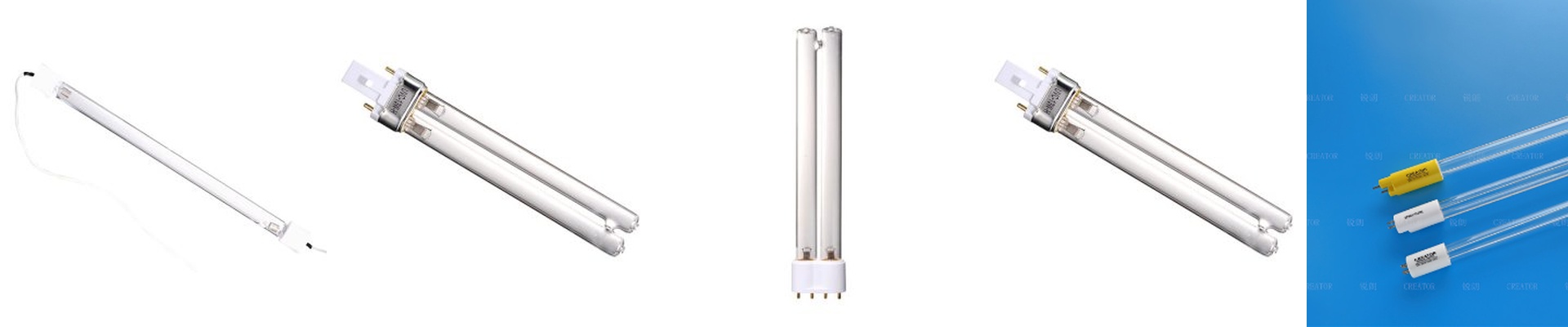
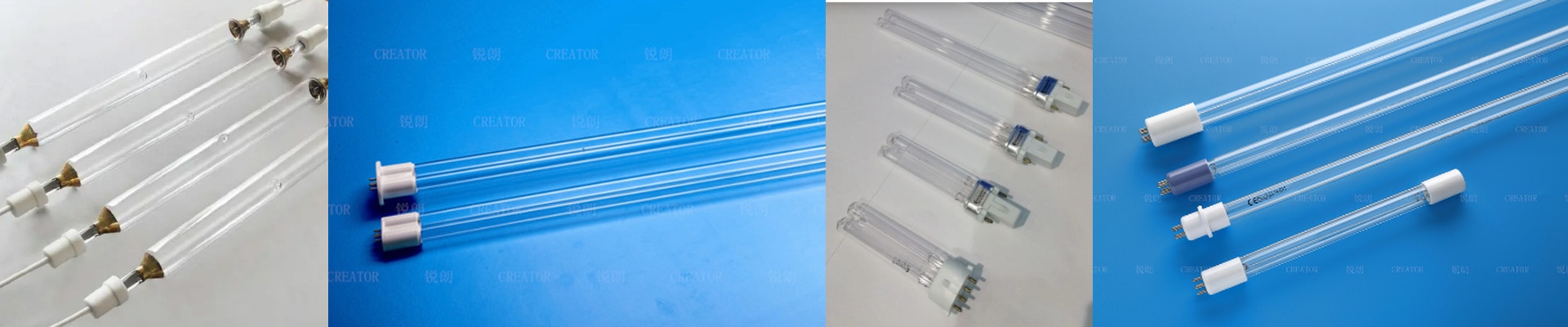
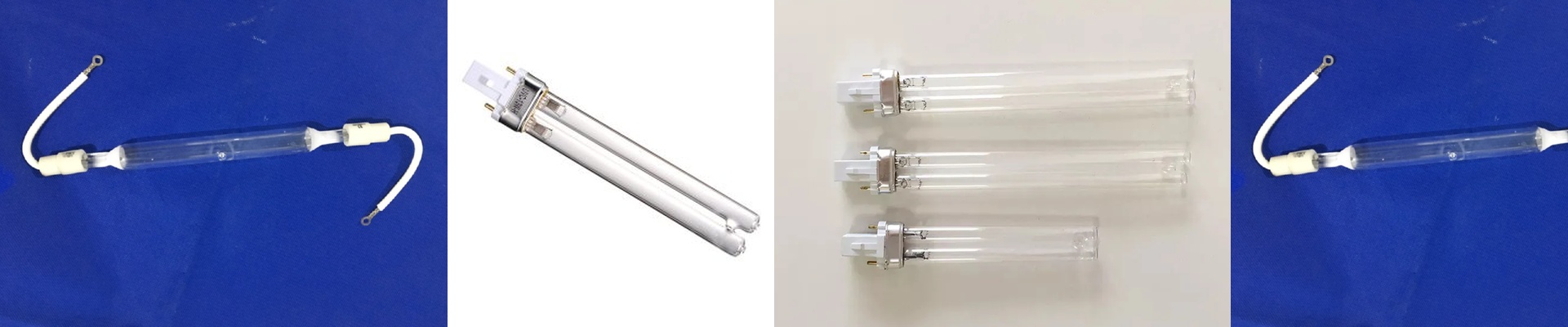
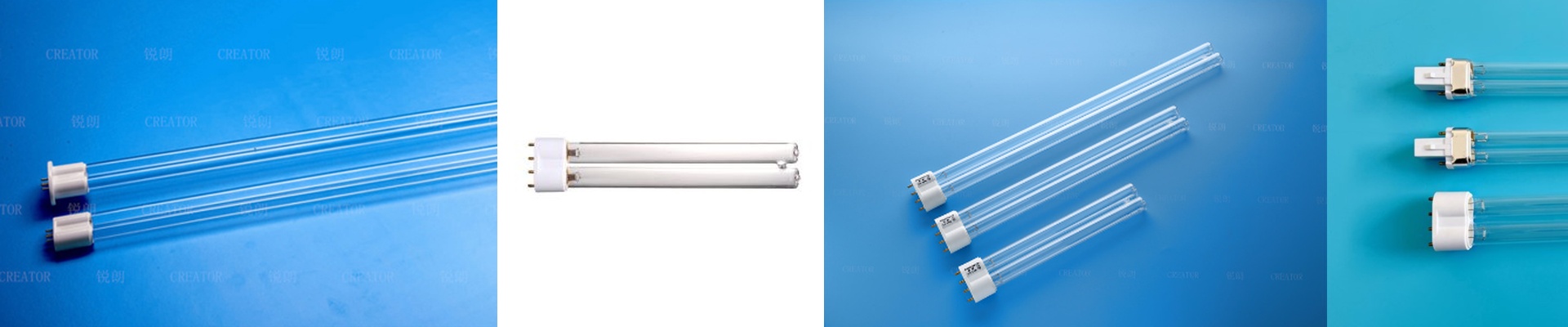
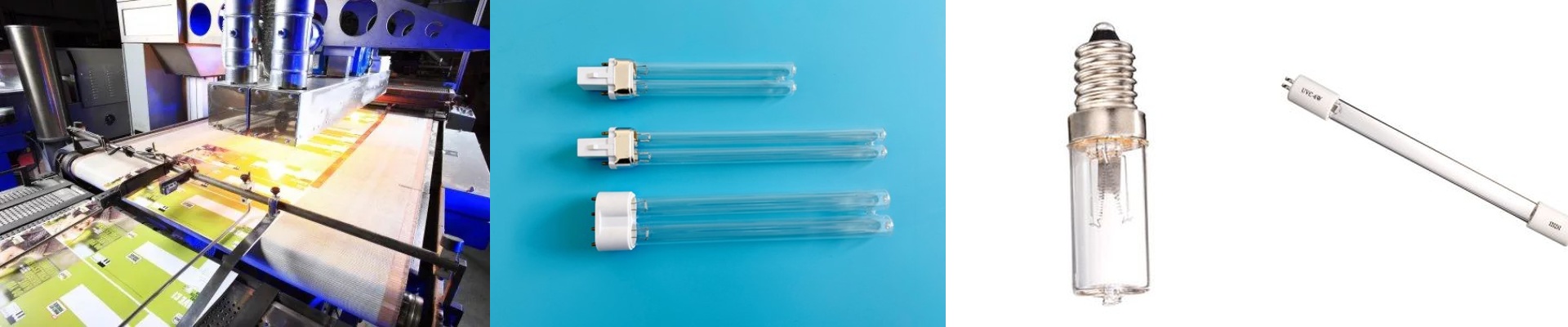
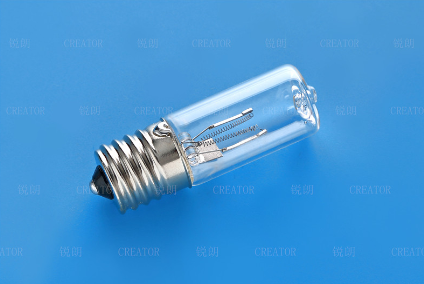
Cold storage and cold chain logistics don’t care about wishful thinking. At -20°C, standard lamps lose spectral irradiance fast, and the photon dose you need for effective microbial control just collapses. You need a submersible UVC germicidal lamp built to hold output steady when the ambient temperature is working against you. What matters under the hood We build around a low-pressure mercury vapor source, run through a quartz sleeve, paired with a low-temperature ballast that can handle cold starts. The germicidal action sits at 254nm—right where DNA/RNA absorption peaks. Arc geometry and reflector are tuned so irradiance stays consistent across the target zone, even after repeated thermal cycling. Output is specified stable within ±5% in -20°C environments. Rated lamp life is 9,000 hours, and end-of-life irradiance stays above 80% of initial. The submersible housing is IP68-rated, using ozone-free quartz and a sealing approach that blocks moisture ingress and stands up to condensation shock. Why it holds up in the cold In cold storage and refrigerated logistics, surfaces stay wet, frost keeps forming, and airborne pathogens linger. A stable 254nm field keeps kill rates consistent without having to heat the space. You get repeatable dose control, fewer false positives in hygiene monitoring, and replacement intervals you can plan around. That translates to lower energy draw, less downtime, and compliance that stays consistent even when temperatures swing. Field-level details you can’t skip Make sure your existing fixtures have a driver/ballast that’s actually rated for -20°C—some aren’t, and they’ll underperform. Get the mounting orientation right so water doesn’t pool on the quartz surface, and schedule cleaning to clear frost and condensation that can cut irradiance. For the best performance, match lamp length to the chamber geometry and confirm UVC intensity at the target surface with a calibrated radiometer.
冷蔵倉庫やコールドチェーン物流では、根拠のない期待は通用しない。-20℃の環境下では、標準的なランプはスペクトル放射照度が急激に低下し、微生物制御に必要な光子量(フォトンドース)が著しく減少する。そのため、周囲温度が性能に影響を与える状況でも出力を安定的に維持できる潜水型UVC殺菌ランプが必要となる。
内部のポイント
低圧水銀蒸気光源を採用し、クォーツスリーブを通して低温起動に対応した低温用バラストと組み合わせている。殺菌効果は254nmに位置し、これはDNA/RNAが吸収を最大化する波長域である。アーク形状とリフレクターは、熱サイクルが繰り返されても対象領域全体で照度が一貫するよう調整されている。
出力は-20℃環境下で±5%以内の安定性を保証。ランプの定格寿命は9,000時間で、寿命末期でも初期の80%以上の照度を維持する。潜水型ハウジングはIP68等級で、オゾンフリーのクォーツ材を使用し、湿気の侵入を防ぐシーリング設計により結露による衝撃にも耐える構造となっている。
低温環境で耐えられる理由
冷蔵保管や輸送の現場では、表面が常に濡れて霜が発生し続け、空気中の病原菌が残留する。安定した254nmの紫外線照射領域が殺菌率を一定に保ち、加温せずとも効果を発揮する。これにより、照射量の再現性が高まり、衛生モニタリングにおける誤検知が減少し、交換周期の計画が立てやすくなる。
結果として、エネルギー消費の削減、ダウンタイムの減少、温度変動時でも遵守状況が安定するというメリットにつながる。
現場で見落とせないポイント
既存の器具が実際に-20℃対応のドライバー/バラストを搭載しているか確認すること。一部は非対応で性能が出ない場合がある。ランプ設置時は、クォーツ表面に水が溜まらない向きに取り付け、霜や結露による照度低下を防ぐために清掃スケジュールを組む必要がある。
最適な性能を得るため、ランプ長さはチャンバーの形状に合わせ、較正済み放射計で目標面のUVC強度を確認することが重要である。