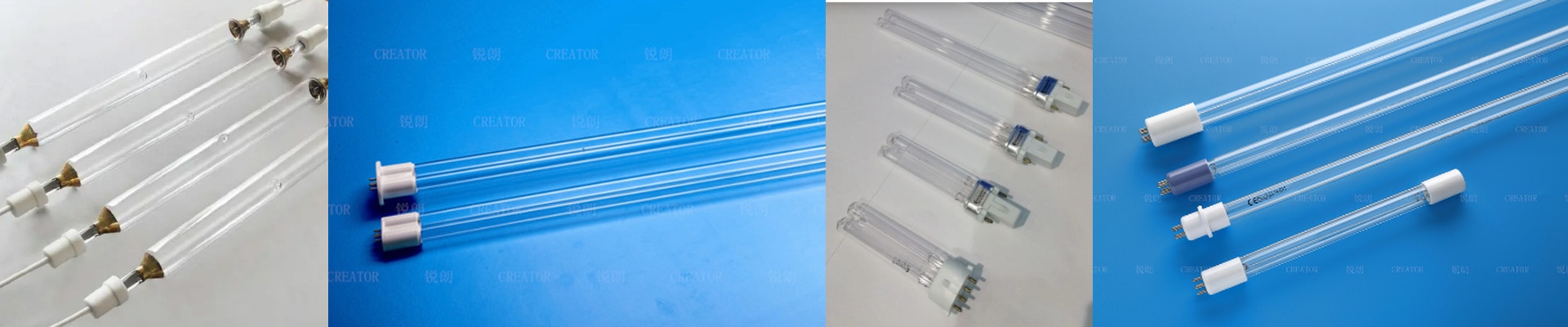
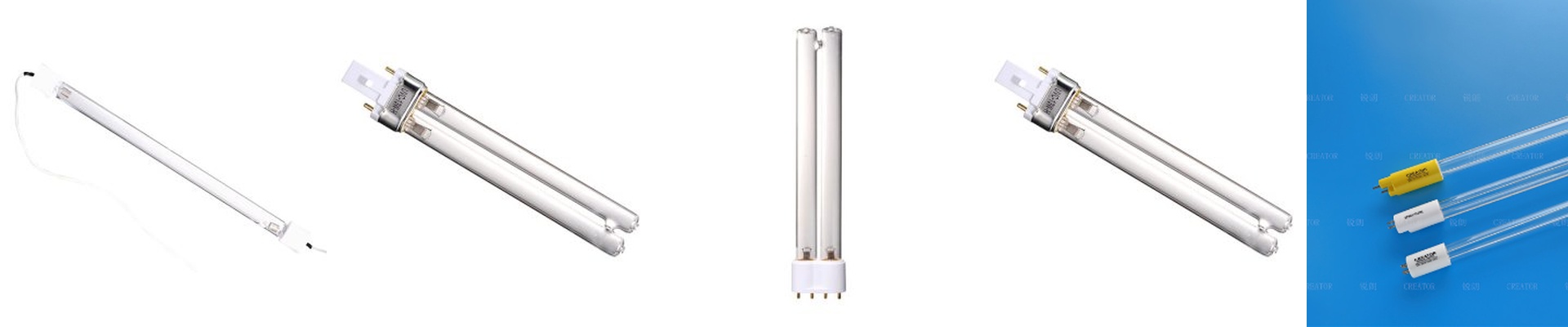
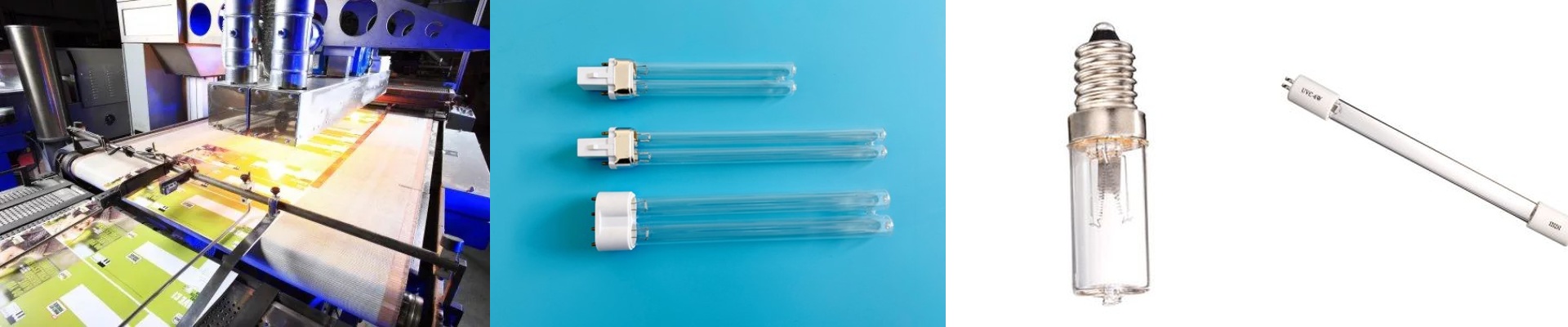
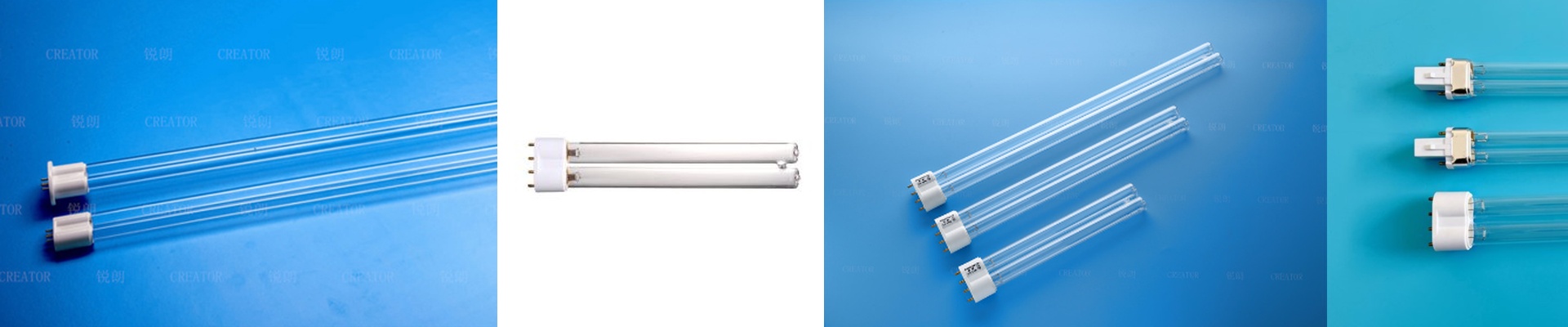
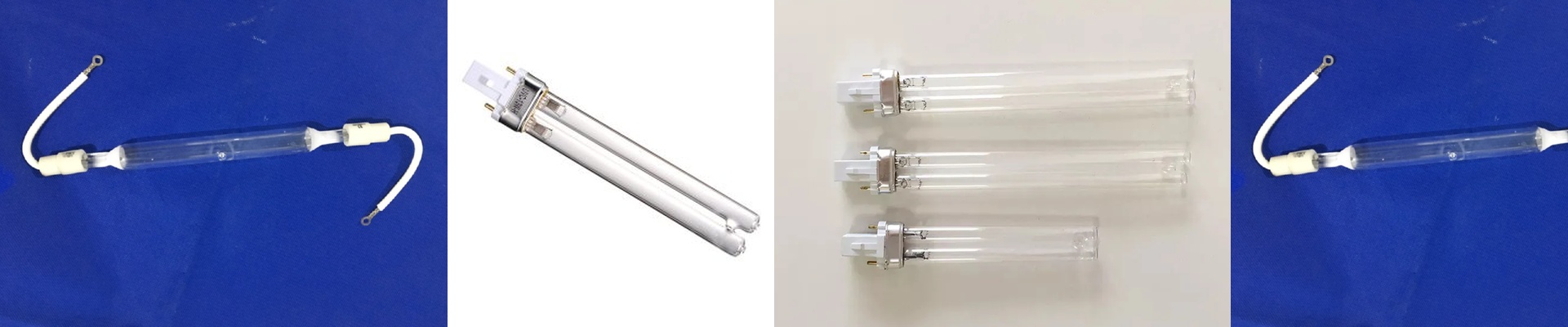
Outdoor canvas is where UV curing proves its worth on the shop floor. Give the job a lamp that doesn’t put out the right spectrum, and you’ll know it immediately—color shifts, weak adhesion, and a laminate that peels apart in the sun. For advertising canvas, the only question that matters is measurable: how many years will the print stay legible without fading? That answer comes down to energy density and spectral match, not hype.
What actually matters under the hood A UV resin curing lamp has to hit the photoinitiator absorption peaks consistently—365 nm for depth of cure, and 395 nm for surface cure—while the reflector keeps irradiance even across the full print width. Peak irradiance, in mW/cm², is what sets your speed. Energy density, in mJ/cm², is what sets cross-linking density. We spec lamps that hold output within ±5% over 2,000 hours, with dichroic coatings to cut IR heat and keep substrate temperature under control. Ozone-free quartz envelopes make ventilation simpler and keep operators safer. Outdoor canvas needs pigments locked down and a fully cured surface that can take UV degradation, moisture, and abrasion. When the lamp spectrum matches the ink chemistry, the print can clear standard weathering tests—say, 2,000 hours accelerated exposure—without gloss loss or color drift. In the field, that translates to multi-year outdoor life, fewer reprints, faster turnaround, and adhesion that stays consistent on coated canvas. The lamp’s stable spectral profile keeps cure repeatable job after job, even when you push press speed. Here’s the practical part: the lamp and the press have to be matched, period. Get the connector orientation right, confirm reflector width and focal distance, and verify the cure profile with a radiometer—don’t guess by time alone. High-pressure mercury lamps deliver the intensity you need for thick ink films, but they need stable power and proper cooling. Undersized cooling or voltage swings will shorten lamp life and throw off spectral output. Plan for end-of-life monitoring and replace lamps on schedule so irradiance stays in spec.
Outdoor canvas คือพื้นที่ที่การบ่มด้วย UV แสดงประสิทธิภาพอย่างชัดเจนบนพื้นโรงงาน หากใช้หลอดไฟที่ไม่ได้ปล่อยสเปกตรัมที่เหมาะสม คุณจะเห็นผลทันที เช่น การเปลี่ยนสี การยึดเกาะที่อ่อนแอ และชั้นลามิเนตที่ลอกตัวเมื่อโดนแสงแดด สำหรับผ้าใบโฆษณา คำถามเดียวที่สำคัญคือสามารถวัดได้: การพิมพ์จะมีความชัดเจนอยู่กี่ปีโดยไม่ซีดจาง คำตอบขึ้นอยู่กับความหนาแน่นของพลังงานและการจับคู่สเปกตรัม ไม่ใช่คำโฆษณา
สิ่งที่สำคัญจริงๆ ภายใต้กระบวนการ หลอดบ่ม UV resin ต้องให้การดูดกลืนแสงที่จุดสูงสุดของ photoinitiator อย่างสม่ำเสมอ—365 nm สำหรับความลึกของการบ่ม และ 395 nm สำหรับการบ่มผิวหน้า—ขณะที่ตัวสะท้อนแสงช่วยให้รังสีมีความสม่ำเสมอทั่วความกว้างของงานพิมพ์ ค่ารังสีสูงสุดในหน่วย mW/cm² คือสิ่งที่กำหนดความเร็วในการบ่ม ความหนาแน่นของพลังงานในหน่วย mJ/cm² กำหนดความหนาแน่นของการเชื่อมโยงข้าม เรากำหนดมาตรฐานหลอดไฟที่รักษาค่ากำลังงานภายใน ±5% ตลอด 2,000 ชั่วโมง พร้อมด้วยการเคลือบ dichroic เพื่อลดความร้อนจากรังสี IR และควบคุมอุณหภูมิของวัสดุซับสเตรต ซองหลอดควอตซ์ที่ไม่มีโอโซนช่วยให้การระบายอากาศสะดวกขึ้นและเพิ่มความปลอดภัยของผู้ปฏิบัติงาน
ผ้าใบกลางแจ้งต้องการสีย้อมที่ถูกล็อกอย่างมั่นคงและพื้นผิวที่บ่มสมบูรณ์ซึ่งทนต่อการเสื่อมสภาพจาก UV ความชื้น และการเสียดสี เมื่อสเปกตรัมของหลอดไฟตรงกับเคมีของหมึก งานพิมพ์สามารถผ่านการทดสอบความทนทานต่อสภาพอากาศมาตรฐาน เช่น การเร่งรัดด้วยการถูกแสง 2,000 ชั่วโมง โดยไม่เสียความมันวาวหรือลักษณะสีเปลี่ยนแปลง ในการใช้งานจริง หมายถึงอายุการใช้งานกลางแจ้งหลายปี ลดการพิมพ์ซ้ำ เพิ่มความรวดเร็วในการผลิต และการยึดเกาะที่คงที่บนผ้าใบเคลือบ โปรไฟล์สเปกตรัมที่เสถียรของหลอดไฟทำให้การบ่มซ้ำได้อย่างสม่ำเสมอในแต่ละงานแม้เมื่อเร่งความเร็วเครื่องพิมพ์
นี่คือส่วนที่ใช้งานได้จริง: หลอดไฟและเครื่องพิมพ์ต้องจับคู่กันอย่างเคร่งครัด ปรับการวางตำแหน่งของขั้วต่อให้ถูกต้อง ยืนยันความกว้างของตัวสะท้อนและระยะโฟกัส และตรวจเช็คโปรไฟล์การบ่มด้วยเครื่องวัดรังสี อย่าเดาจากเวลาเพียงอย่างเดียว หลอดเมอร์คิวรีแรงดันสูงให้ความเข้มของแสงที่ต้องการสำหรับฟิล์มหมึกหนา แต่จำเป็นต้องใช้ไฟที่เสถียรและระบบระบายความร้อนที่เหมาะสม การระบายความร้อนไม่เพียงพอหรือแรงดันไฟฟ้าที่ผันผวนจะทำให้หลอดไฟมีอายุสั้นลงและรังสีสเปกตรัมผิดเพี้ยน วางแผนการตรวจสอบสภาพหลอดไฟเมื่อสิ้นสุดอายุการใช้งานและเปลี่ยนหลอดไฟตามระยะเวลาที่กำหนดเพื่อให้ค่ารังสีอยู่ในข้อกำหนด