UV Sterilization Lamp Sleeves: The Real-World Specs That Matter
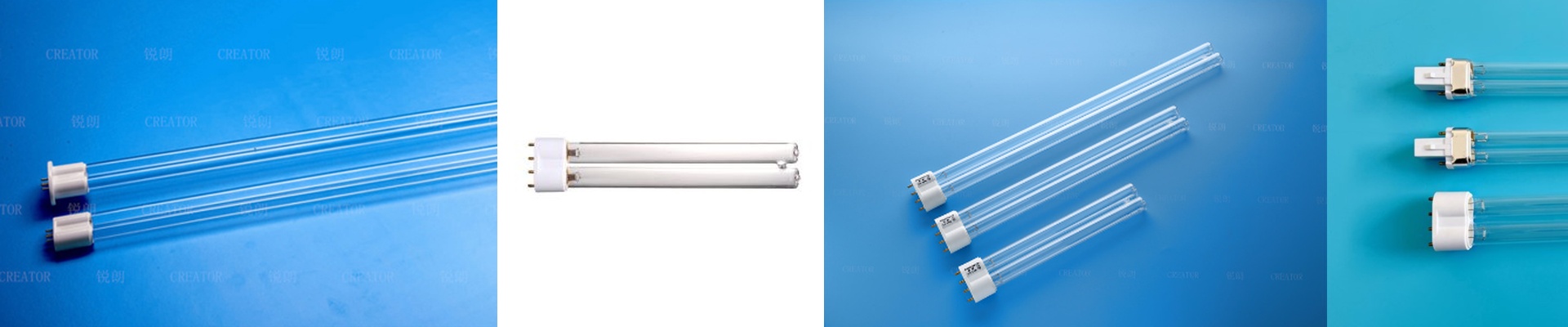
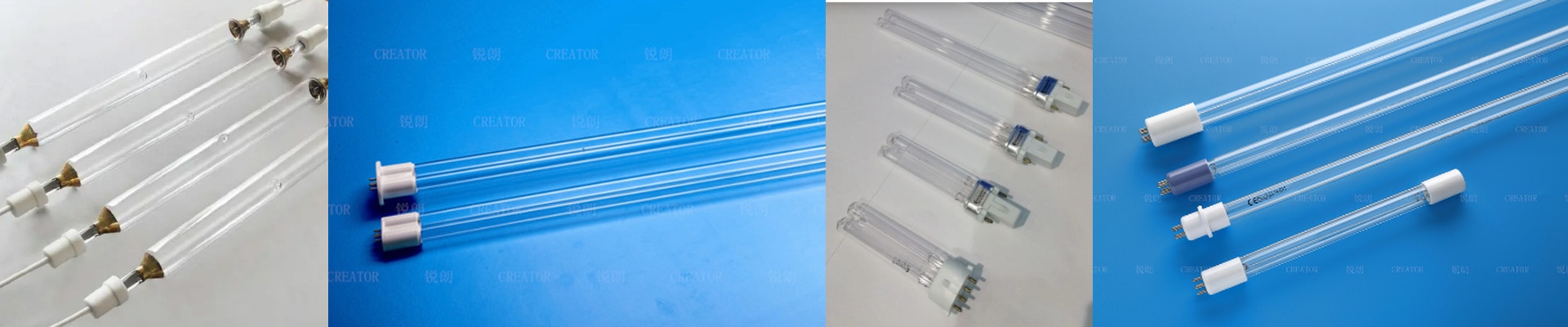
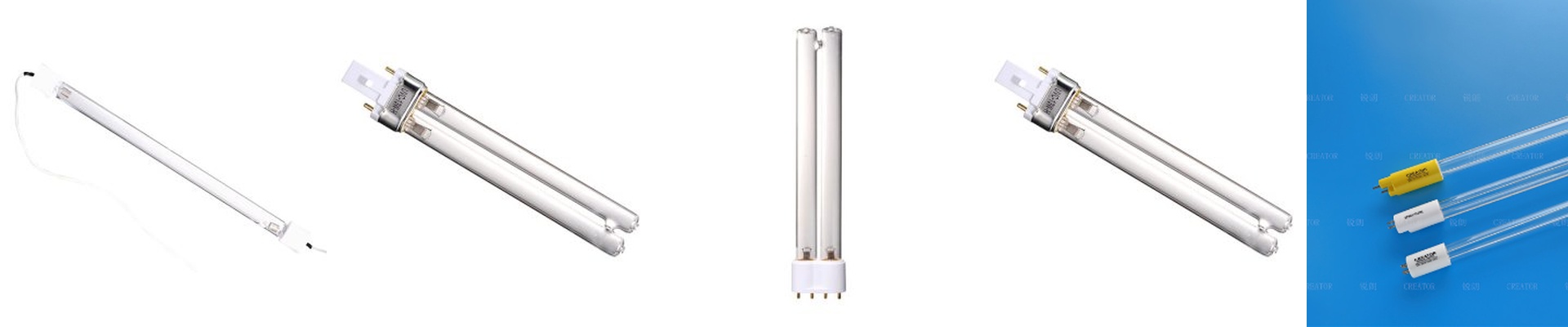
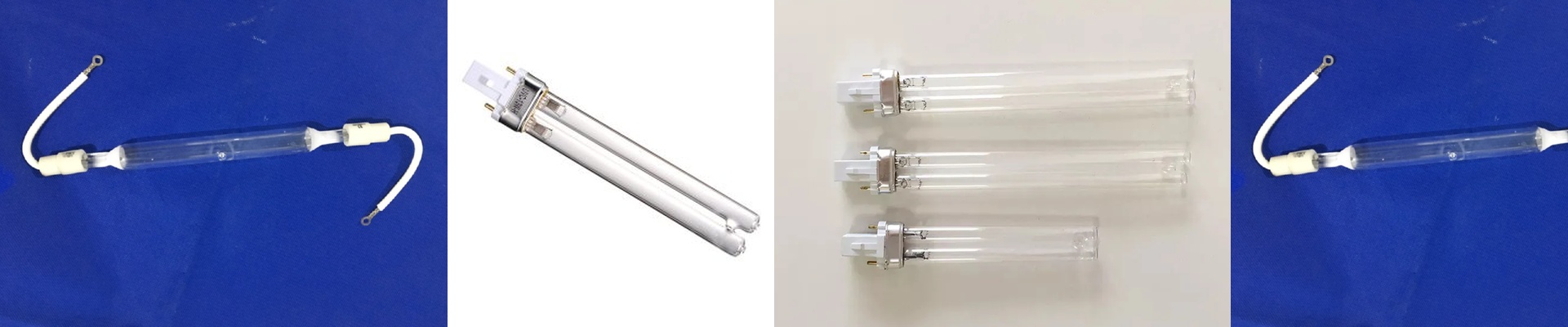
We make sleeves for UV sterilization lamps—basically, a plug-and-play heat shield and bodyguard for the quartz tube. The whole point? It slips in, matches your lamp’s power, size, and wiring setup, and you’re off and running—no chamber redesign needed.
Power, Voltage, and Dimensions—Kept Practical
UV lamps throw off serious heat, so the sleeve has to manage that without choking the UV output. We size the sleeve length to match common lamp lengths—think 300mm, for example—and set the bore so the lamp stays centered and stable. Voltage ratings like 400V are chosen to handle that initial ignition surge and then keep things steady once the lamp is running, especially with medium-pressure UV lamps. High wattage—say, 2500W—gives you the intensity needed for fast sterilization, but it also means serious heat density. Plan your cooling and spacing up front. If you squeeze it into a tight box, you’re asking for trouble—lamp life will drop fast.
Material and Design—What Makes It Hold Up
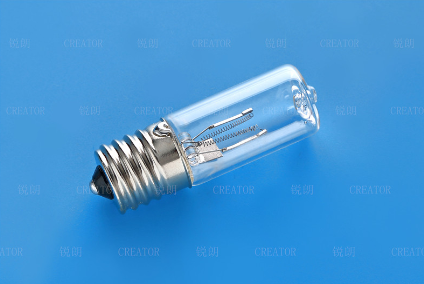
We stick with quartz sleeves because quartz just keeps its head when the UV and heat get intense. Many sleeves include a coating to help control surface temperature and cut down on ozone, which matters when you’re working in a confined air stream. Inside the lamp, halogen technology helps keep output steady by stabilizing the arc as the fill gases shift over time. On the connector side, we spec R7s or SK15 terminals because they carry the current safely and give you a rigid, repeatable fit. That solid connection prevents hot spots and turns replacement into a quick swap, not a messy rework.
Where It Shines: PET Blowing and Sterilization Lines
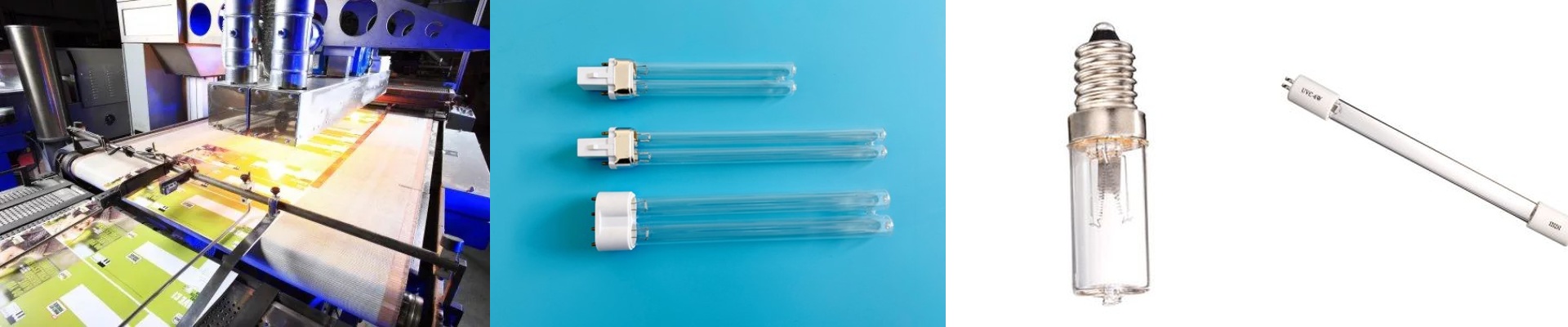
On PET blowing and sterilization lines, the sleeve does two big jobs at once: it protects the lamp while letting the UV pass through to do its microbial control work. It also shields the lamp from airflow turbulence and knocks from everyday operation. The payoff is steady output, predictable dwell time, and fewer surprise shutdowns. You get more uptime—just be realistic about heat management and plan for routine lamp replacements.