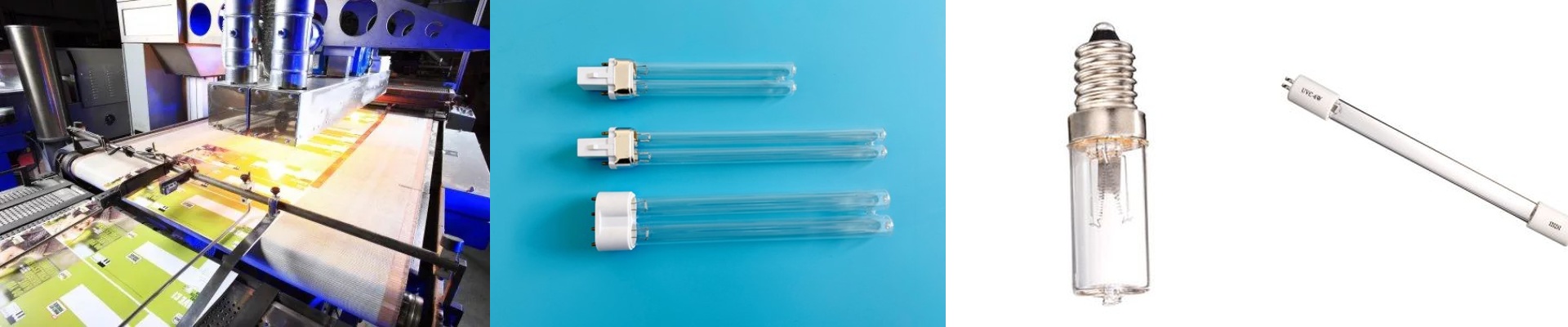
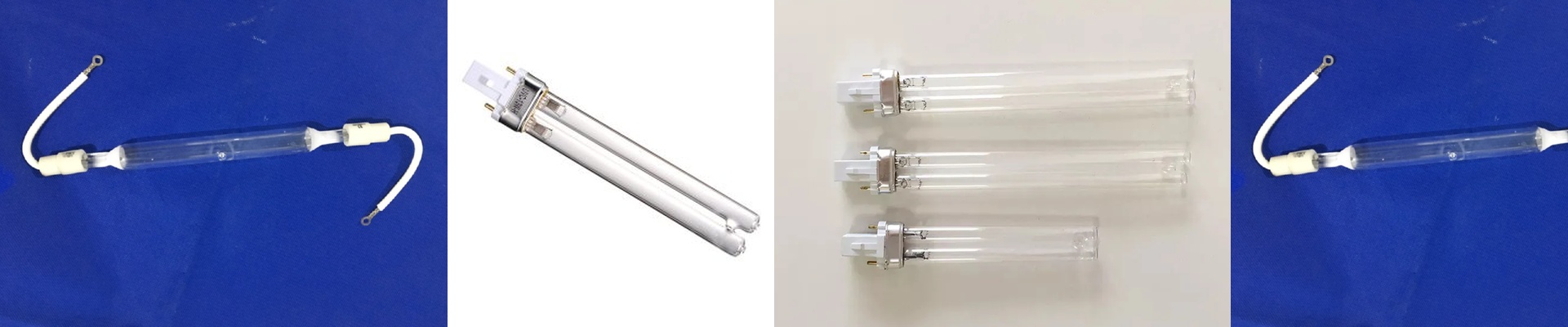
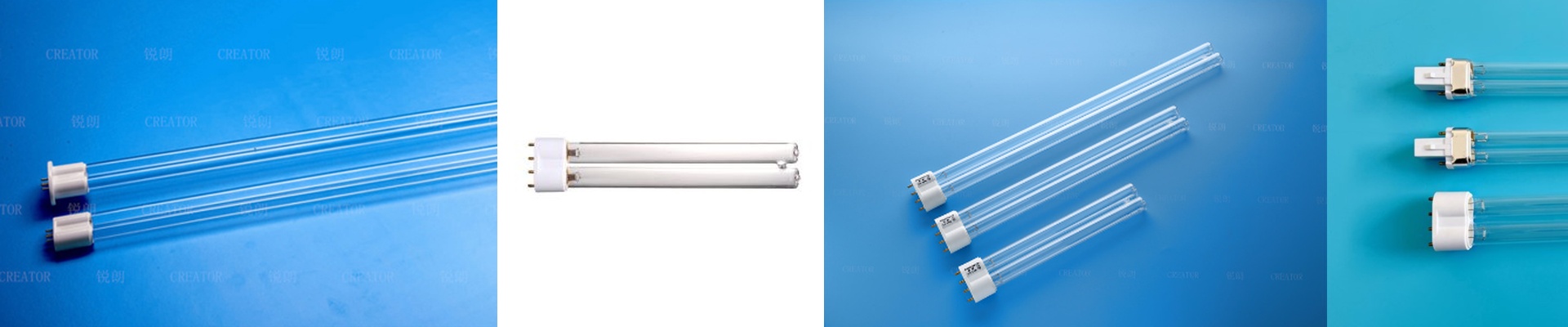
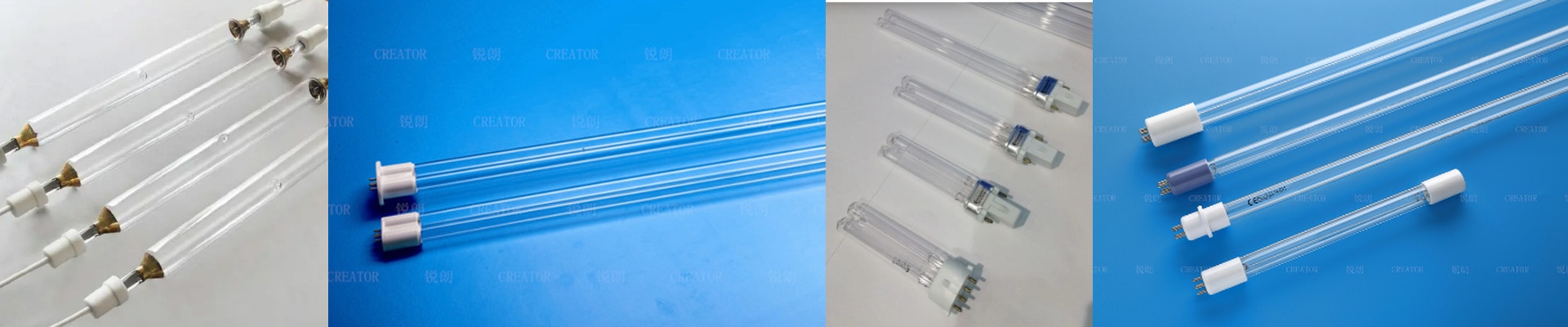
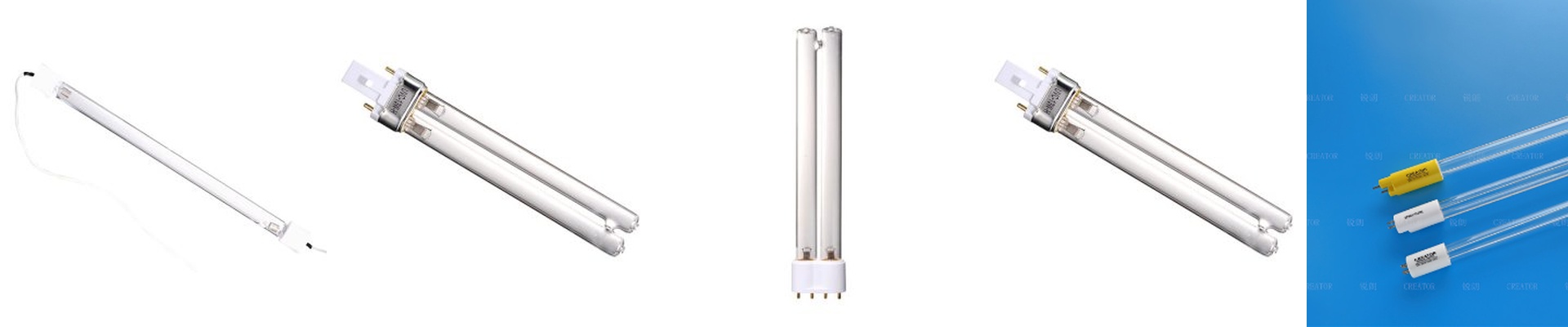
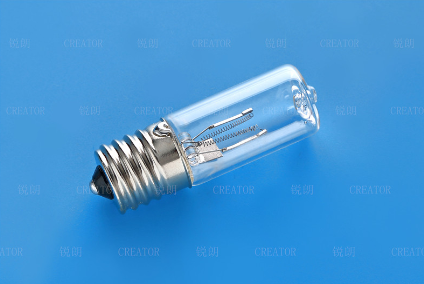
Cold storage and cold chain logistics don’t care about wishful thinking. At -20°C, standard lamps lose spectral irradiance fast, and the photon dose you need for effective microbial control just collapses. You need a submersible UVC germicidal lamp built to hold output steady when the ambient temperature is working against you.
What matters under the hood
We build around a low-pressure mercury vapor source, run through a quartz sleeve, paired with a low-temperature ballast that can handle cold starts. The germicidal action sits at 254nm—right where DNA/RNA absorption peaks. Arc geometry and reflector are tuned so irradiance stays consistent across the target zone, even after repeated thermal cycling.
Output is specified stable within ±5% in -20°C environments. Rated lamp life is 9,000 hours, and end-of-life irradiance stays above 80% of initial. The submersible housing is IP68-rated, using ozone-free quartz and a sealing approach that blocks moisture ingress and stands up to condensation shock.
Why it holds up in the cold
In cold storage and refrigerated logistics, surfaces stay wet, frost keeps forming, and airborne pathogens linger. A stable 254nm field keeps kill rates consistent without having to heat the space. You get repeatable dose control, fewer false positives in hygiene monitoring, and replacement intervals you can plan around.
That translates to lower energy draw, less downtime, and compliance that stays consistent even when temperatures swing.
Field-level details you can’t skip
Make sure your existing fixtures have a driver/ballast that’s actually rated for -20°C—some aren’t, and they’ll underperform. Get the mounting orientation right so water doesn’t pool on the quartz surface, and schedule cleaning to clear frost and condensation that can cut irradiance.
For the best performance, match lamp length to the chamber geometry and confirm UVC intensity at the target surface with a calibrated radiometer.