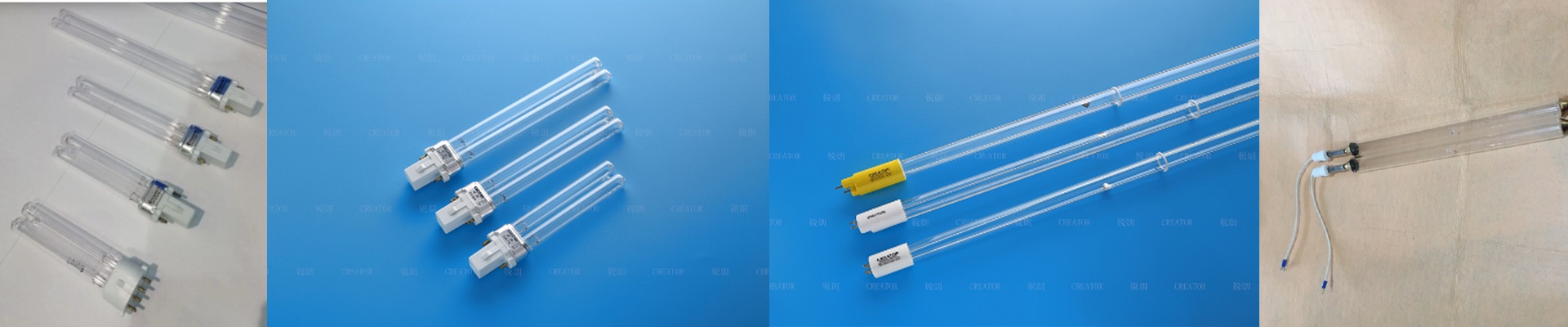

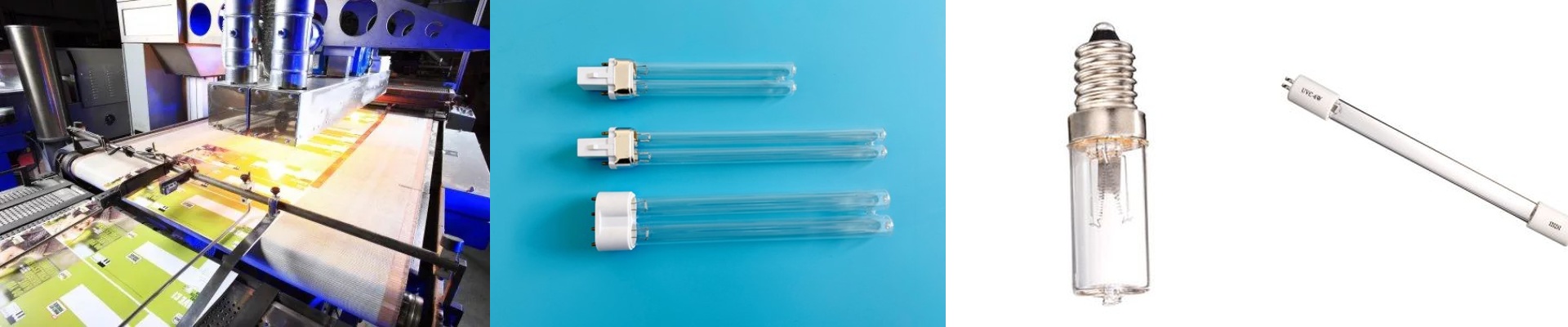

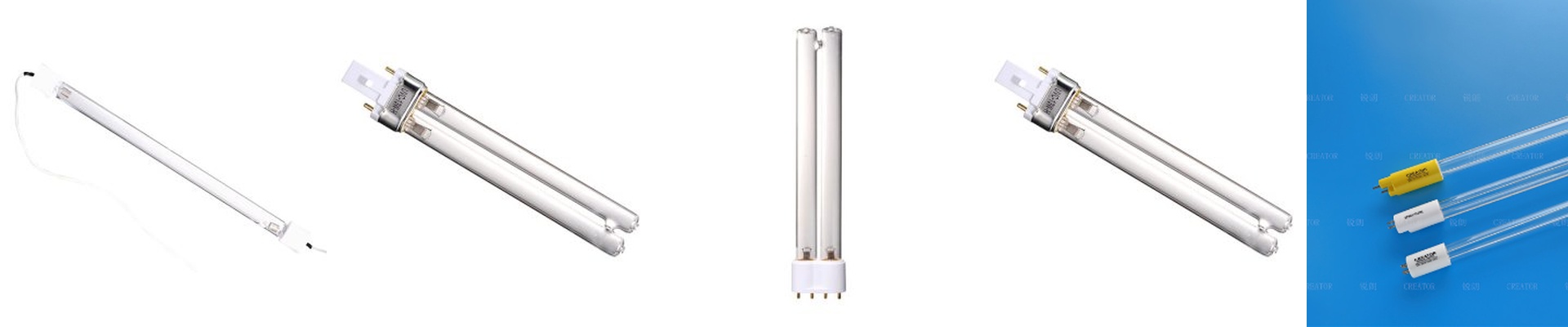
Getting the Light Right: Why 0.5% Actually Matters
Most UV lamp makers are fine with “close enough.” They hit a standard output and call it a day. But we spent our last development cycle obsessing over a 0.5% spectral energy concentration. That sounds like a tiny number. But if you’re a process engineer, you know that tiny fraction is the difference between a coating that holds and a surface that peels the second it hits a stress test. It’s the difference between a job done right and a costly recall.
The nitty-gritty of the physics
Here’s how it works: mercury vapor lamps use plasma discharge to create UV radiation. To hit that 0.5% mark, we had to get aggressive with our tolerances. We’re talking about the thickness of the quartz envelope and the exact amount of mercury inside. If the fill is off by even a fraction of a milligram, the spectral peak shifts. When that happens, it doesn’t line up with the photoinitiators in your resin anymore, and your cure fails. We also spent a lot of time stabilizing the arc discharge. We wanted to stop the “wandering” that usually causes those annoying energy dips along the length of the lamp.
The trade-offs (because there’s always a catch)
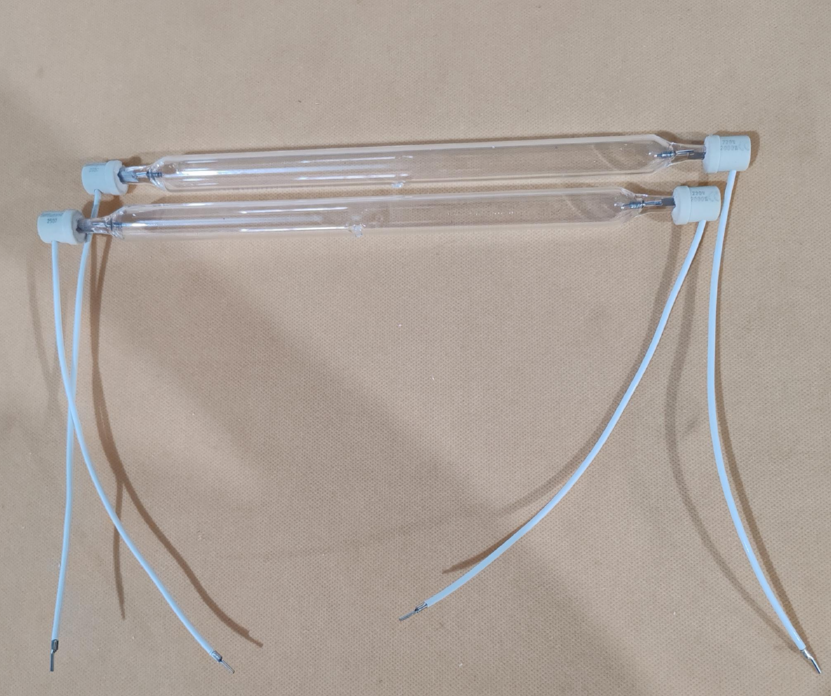
We use high-purity synthetic quartz so the UV light doesn’t get absorbed by the glass. But pushing for this kind of energy density creates a lot of heat, especially at the electrodes. You’ll notice the ends of the lamp get hot.Really hot. Because of that, you can’t treat your cooling manifold as an afterthought. If your airflow is sluggish, the quartz will stress-crack or your electrodes will just burn out. These lamps are built for high-output work, but they only play nice if you have a solid thermal management plan in place.
Putting them to work on your floor
The good news? We designed these to be drop-in replacements. They fit right into your existing arrays without you having to rebuild your racking or move equipment around. Just one thing: when you wire them up, make sure your ballast is tuned to the specific strike voltage of this high-density fill. If the ballast doesn’t match, you’ll get flicker, or you’ll kill the lamp life way faster than you should. To make it easy, we’ll send over the exact voltage-current curves. That way, you can get your power supply sorted before the lamps even hit your loading dock.