

Why “Who Owns the Tech” Actually Matters for Your UV Exports
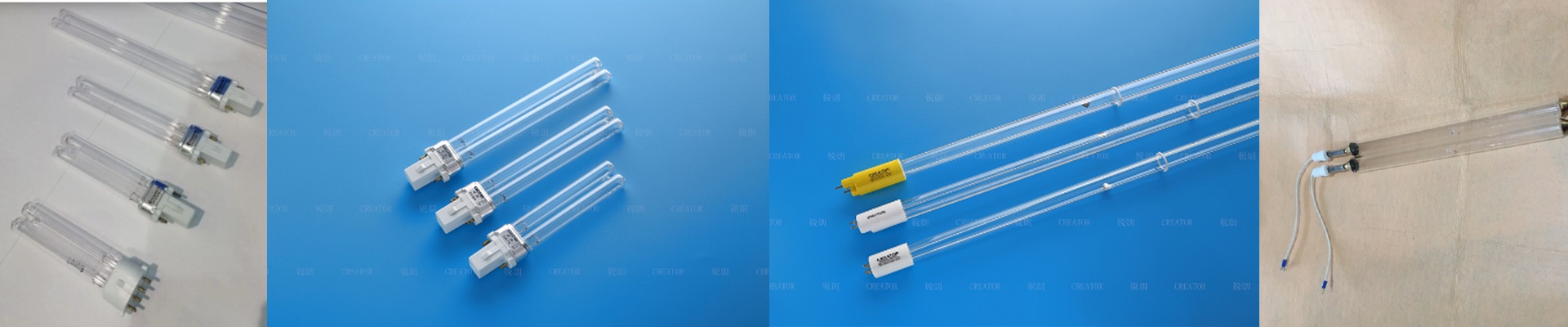
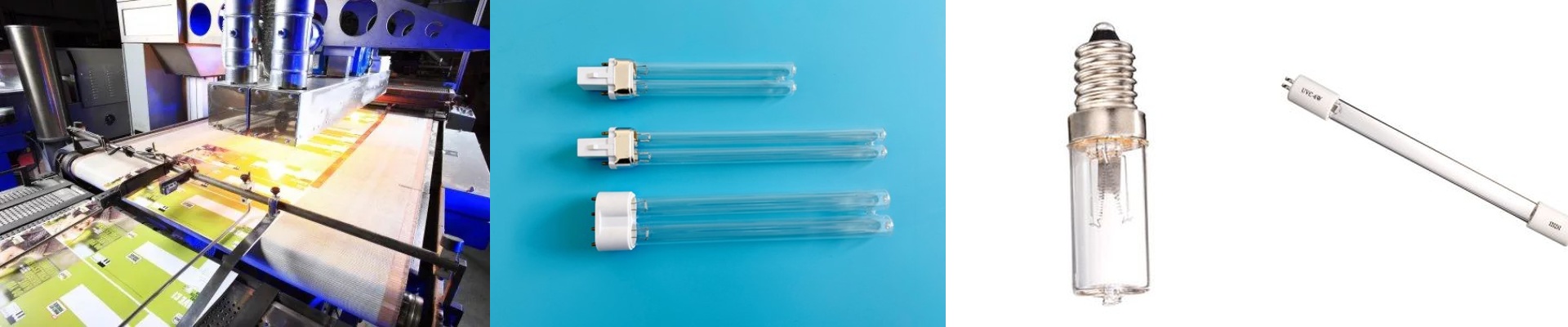
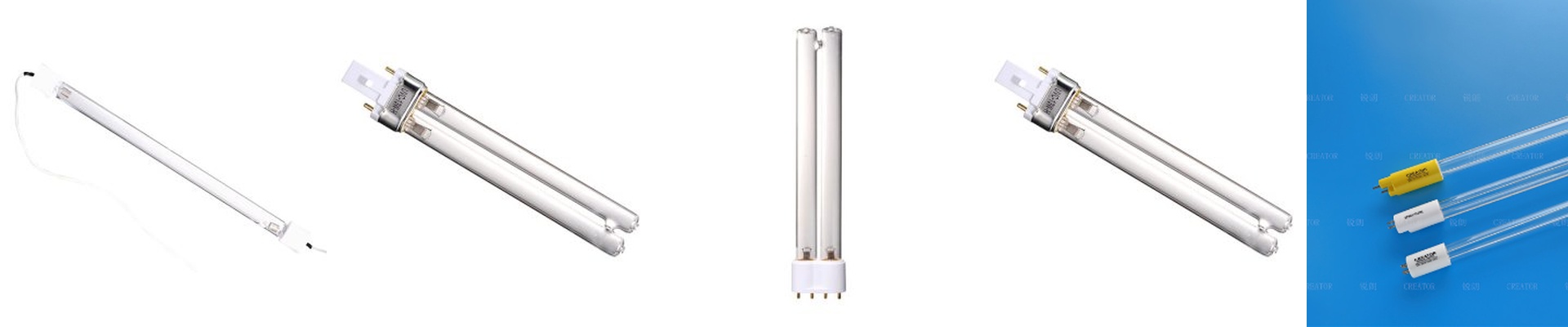
When you’re picking out UV lamps for an OEM machine, it’s easy to think you’re just buying a bulb. But honestly? You’re actually buying the right to sell your machine without getting sued. Here is the problem: a lot of suppliers just sell generic clones. They look right, they light up, and they’re cheap. But if your supplier doesn’t actually own the patents for how that lamp is built—specifically the electrode geometry or the quartz process—you’re playing a dangerous game. Imagine your shipment hitting a port in the US or EU, only for customs to seize everything because of a patent dispute. That’s a nightmare you don’t want.
The real deal with proprietary design
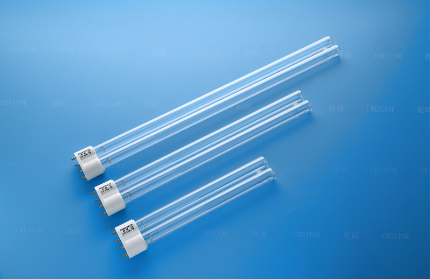
We do things differently. We use our own patented tech, which means we’re the ones calling the shots on the gas mix and the filament. Why does that matter to you? Because generic lamps tend to “drift.” The wavelength shifts over time, and suddenly your curing speeds are all over the place. It’s frustrating. Our designs lock that peak wavelength in. We keep the tolerances tight across the whole tube so you get the same performance every single time.
Don’t get caught in the “Clone Trap”
It’s tempting to go with “drop-in replacements.” They look identical to the industry standard, but they don’t have the legal paperwork to back them up. If you put those into your product, you’re wide open to risk. We give you the full patent documentation. Your legal team can check it, verify it, and breathe easy knowing your gear is clear for export. It’s the difference between a smooth delivery and a legal mess at the border.
A quick word on the heat
Let’s be real: high-intensity UV lamps get hot. Like, really hot. Our proprietary coatings are great because they let more UV light through, but there’s a trade-off. The glass is a bit more sensitive to thermal shock if your cooling fans decide to quit. You’ve got to make sure your housing can handle the heat. Instead of giving you a theoretical datasheet that might be slightly off, we give you the actual thermal data. That way, you can build a cooling system that works for the lamp’s real-world output.