Spectrum-Tuned Reflector Lamps: Getting UV Curing to Play Nice with Mixed Inks
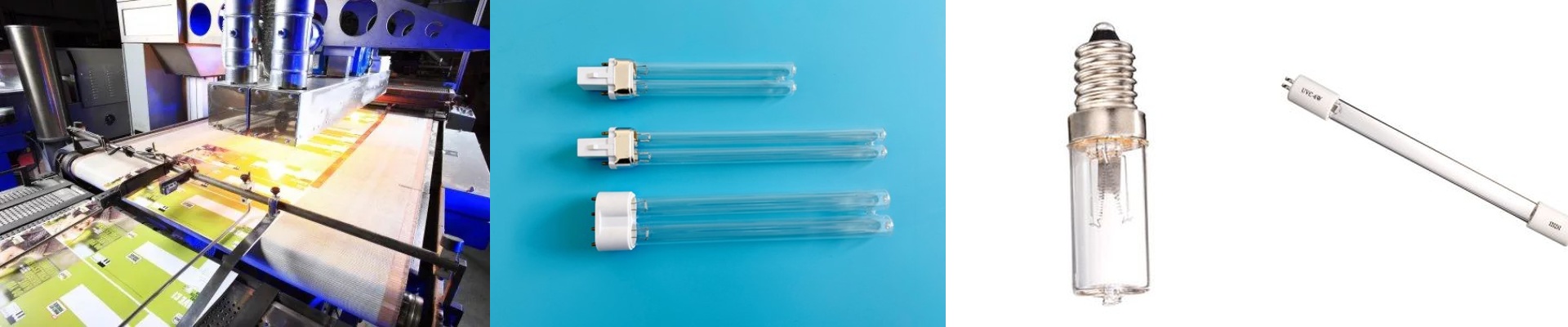
Let’s get real about the shop floor. You’re often juggling different ink loads—solvent-based adhesives running alongside water-based inks—and each one has its own stubborn personality. So we built this UV curing lamp to give you control over the spectrum. Instead of cranking the lamp and risking scorched substrate, you can simply tune the output to match the job.
The Power Behind the Curtain: It’s All About Consistency
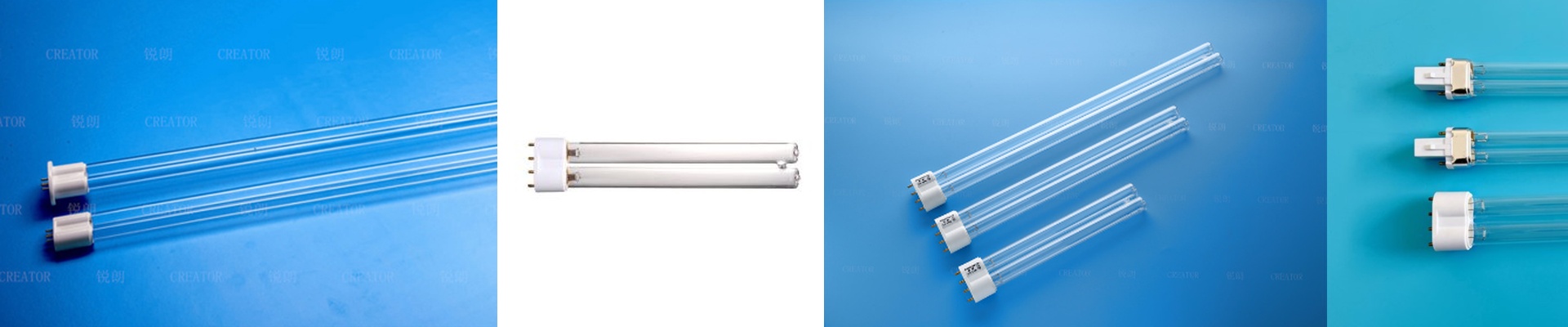
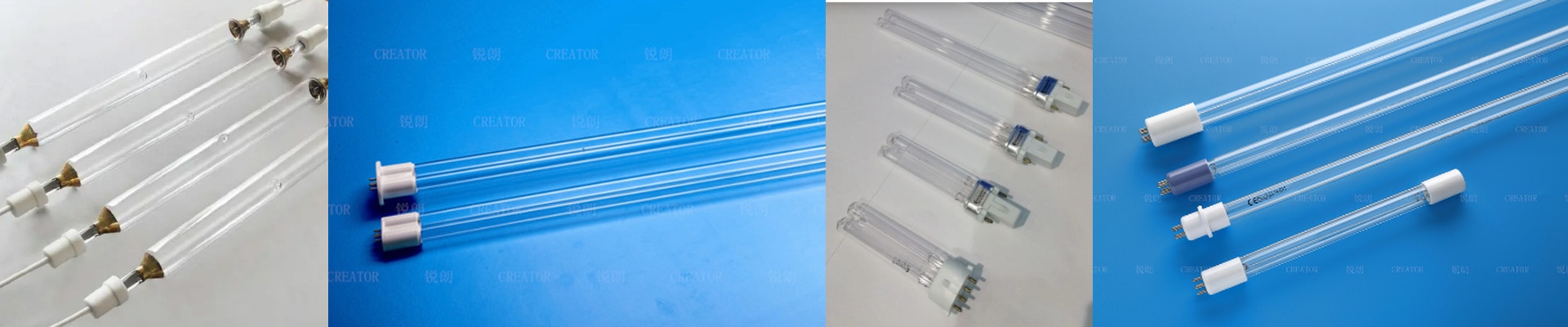
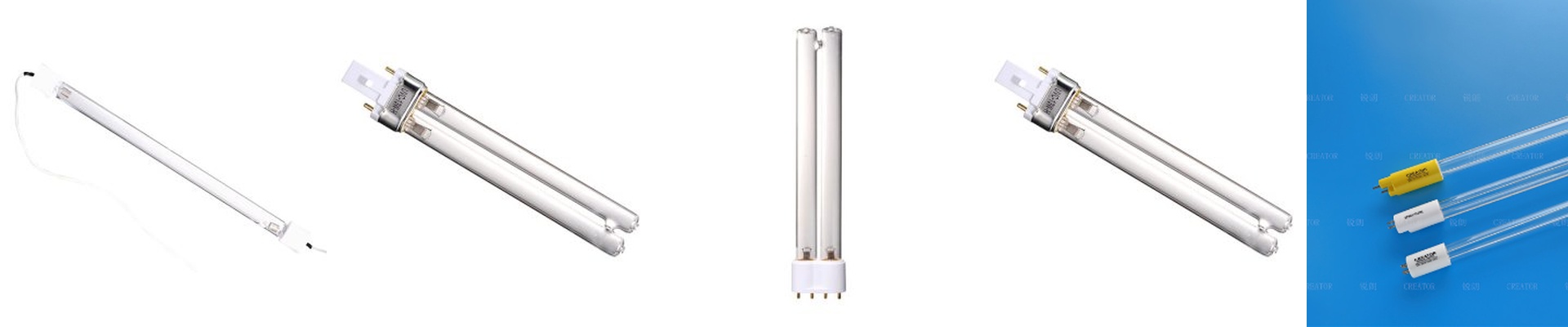
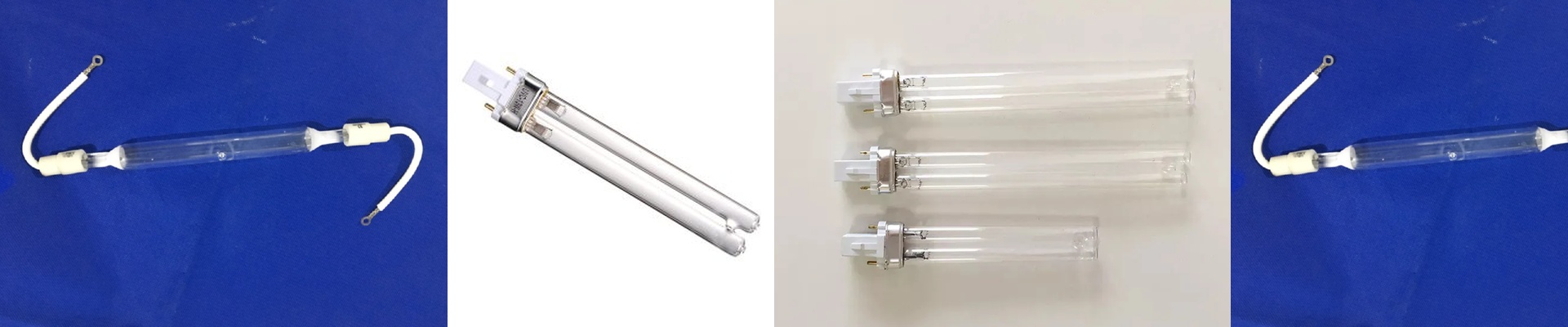
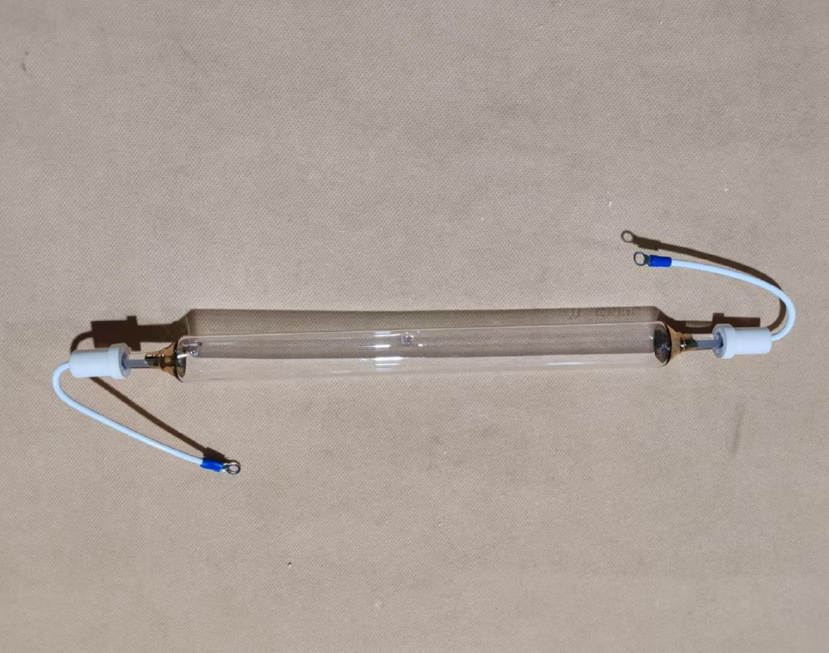
At the heart of this system is a high-output halogen UV lamp, built to deliver repeatable intensity, shift after shift. It’s designed to run on 400V, which gives you stable ignition and a rock-solid arc, even when you’re running at full industrial pace. And it’s surprisingly compact. At just 300mm, it slips into tight curing zones without breaking a sweat. But don’t let the size fool you—it packs the power needed to hit the right irradiance, so you can keep your line speeds moving fast. Just one thing to remember: this is a high-energy lamp. It delivers the photon density you need for a deep, thorough cure. But that also means your machine needs solid thermal management. Adequate airflow and reflector cooling aren’t optional—they’re essential.
Smart Design, Built to Last
The reflector is coated to focus the UV band precisely where you need it. That means less stray light and more dwell time right on the target. We chose a coating that can handle the heat and keep its reflectance through long, demanding shifts, because a degraded reflector is the silent killer of curing consistency. And the lamp uses an R7s connection—a proven industrial interface that locks in place and handles repeated lamp changes without loosening or arcing. It’s a true drop-in fit for standard fixtures, so swapping a lamp is quick and painless. No rewiring. No redesigning the bay.
The Payoff: Curing Mixed Inks Without the Compromise
Here’s the thing about running mixed inks: one fixed spectrum forces you to make a messy compromise. With our adjustable spectral control, you can shift the output to match the ink chemistry. More shortwave for adhesives. A tuned profile for water-based inks. All without pushing the temperature through the roof. The result? Fewer scorch marks, less stress on your substrate, and a more consistent cure across the entire roll. Now, there is a trade-off. That higher power density means you need a properly spec’d cooling path. But what you get in return is real flexibility—the ability to handle different ink types without swapping out your whole setup.