The Real Reason Your UV Lamp Won’t Start
I build UV lamps for curing adhesives, and I’ve seen the same head-scratcher on shop floors over and over: the lamp just won’t fire up. You assume it’s the bulb. Usually, it isn’t. It’s the trigger and the lamp not being on the same page.
It all comes down to the right spark
A UV halogen lamp isn’t just a bulb. It’s a high-intensity arc, and it needs a very specific electrical nudge to strike—then a steady supply to hold steady. The trigger delivers that high-voltage kick. If the trigger is spec’d for a different wattage or arc length, the strike either fails or gets moody. We match the trigger to the lamp’s electrical personality—voltage, wattage, and ignition needs—so it starts every time, cycle after cycle. No drama.
Built to take the heat, again and again
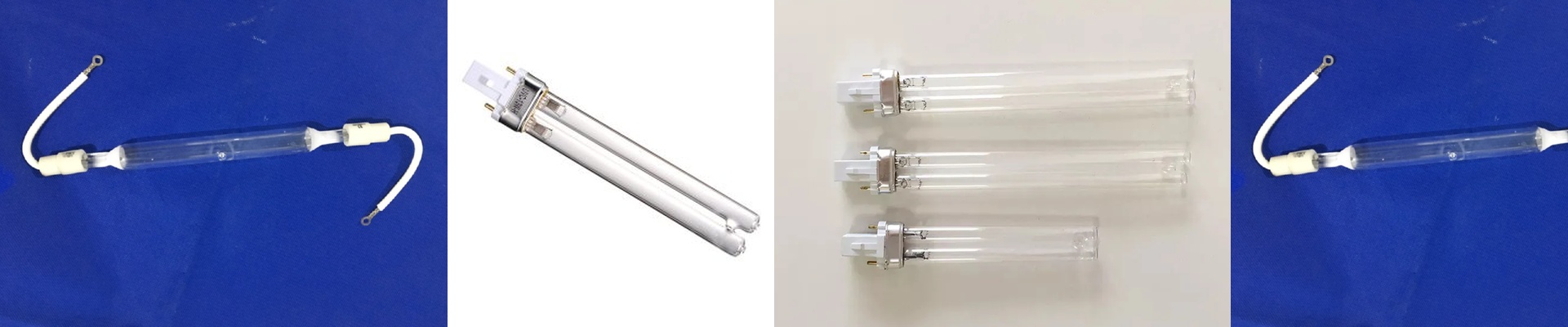
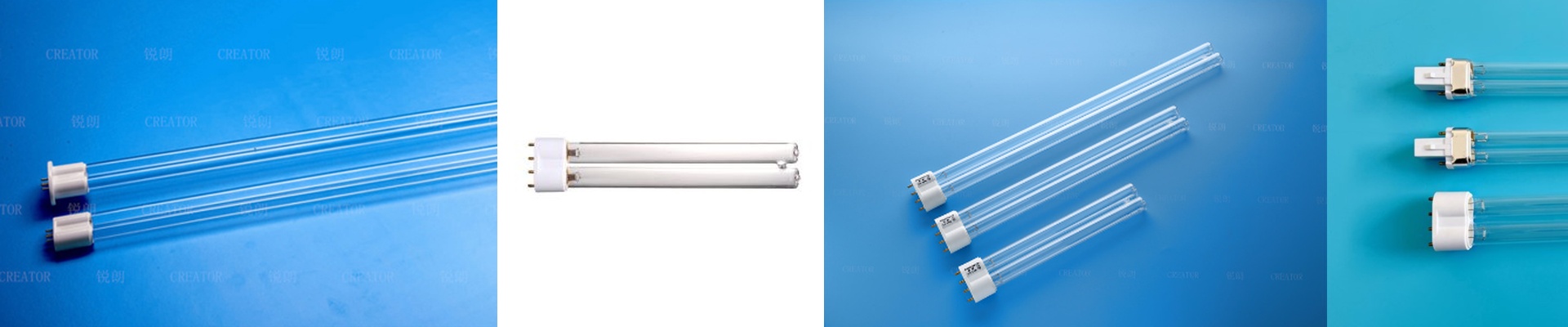
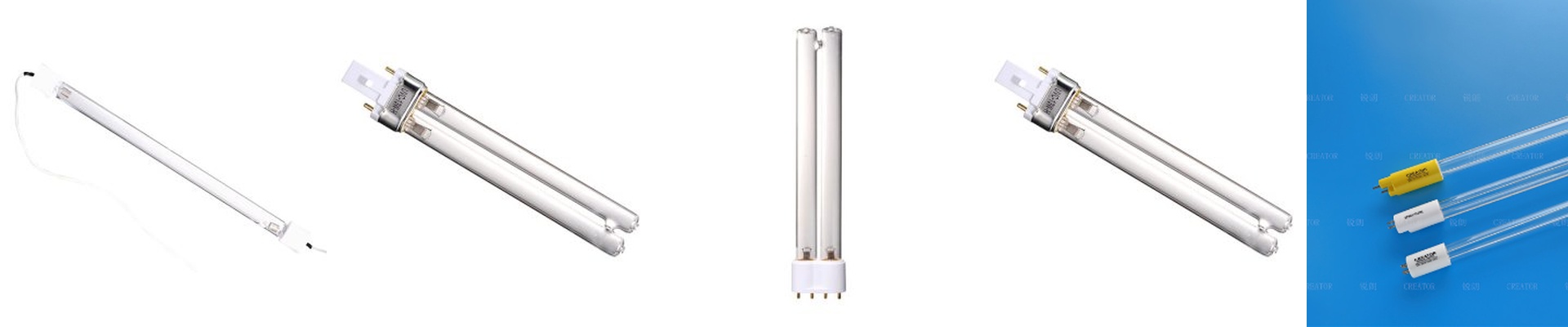
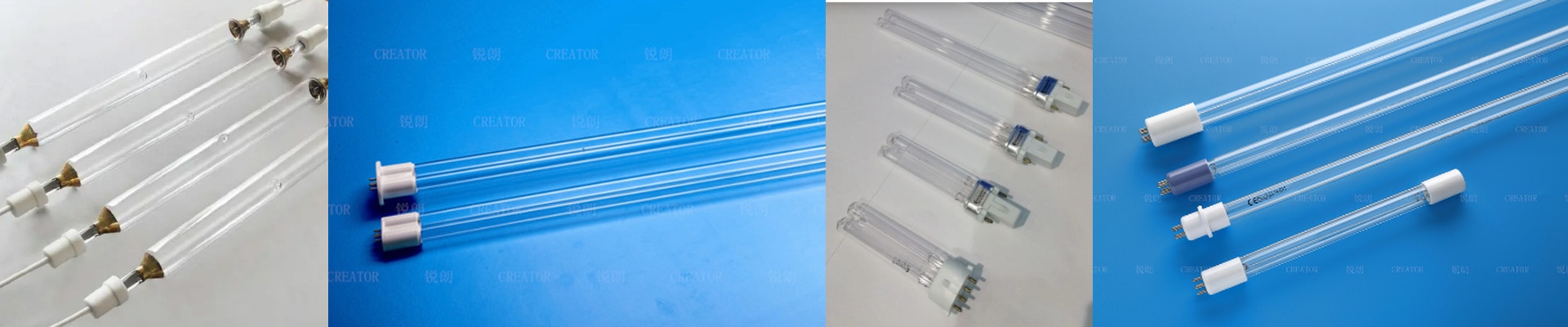
We use quartz envelopes because they handle the shock of rapid start-stop cycles without cracking. Inside, the halogen fill keeps output stable over the life of the tube, so you don’t get that power drop that leaves adhesive under-cured. And the R7s connector? It’s a clean, two-pin interface that gives you a solid, repeatable connection. Drops right into standard sockets, so you can wire it up fast and cut downtime.
Power you need, with a thermal reality check
When you’re curing adhesives, stable UV intensity is what gives you a repeatable cure. Our lamps deliver that intensity. But high power density means heat. A 400V 2500W setup can put out the heat density you need, but your machine’s cooling has to be set up to manage the temperature around the lamp. When the thermal side of things is planned right, the lamp strikes reliably, runs steady, and your adhesive line keeps moving—no stoppages.