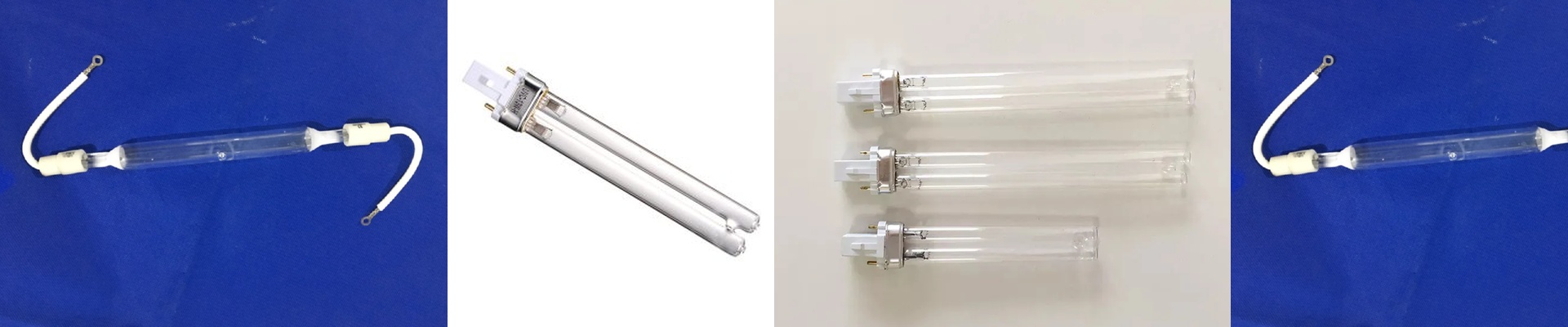
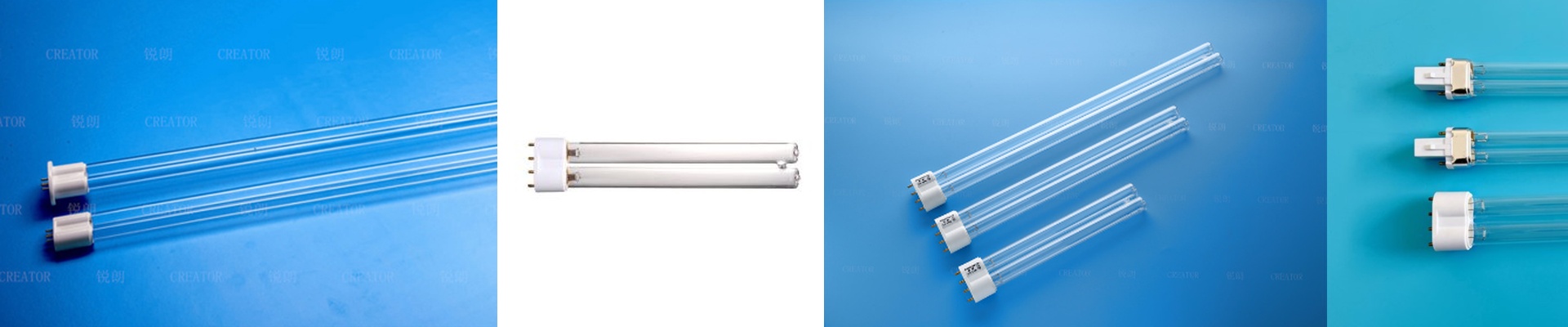
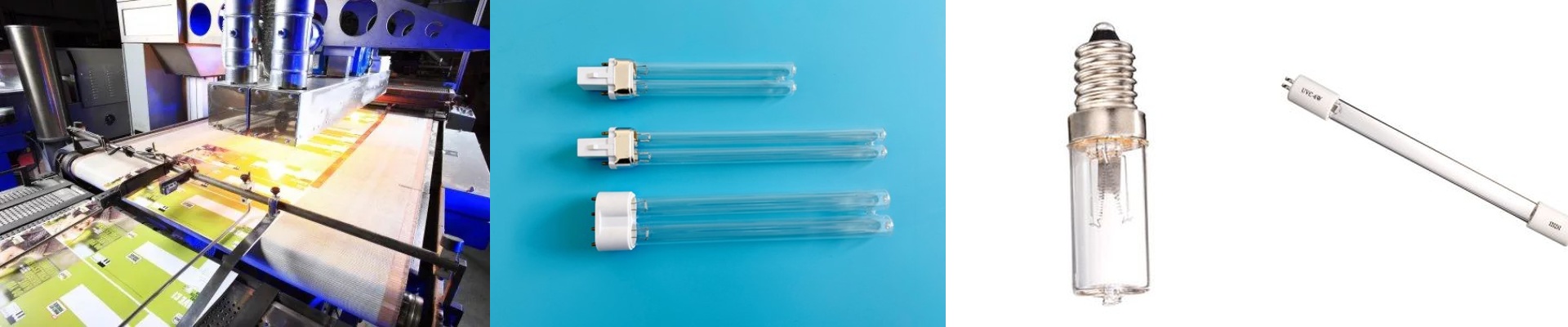
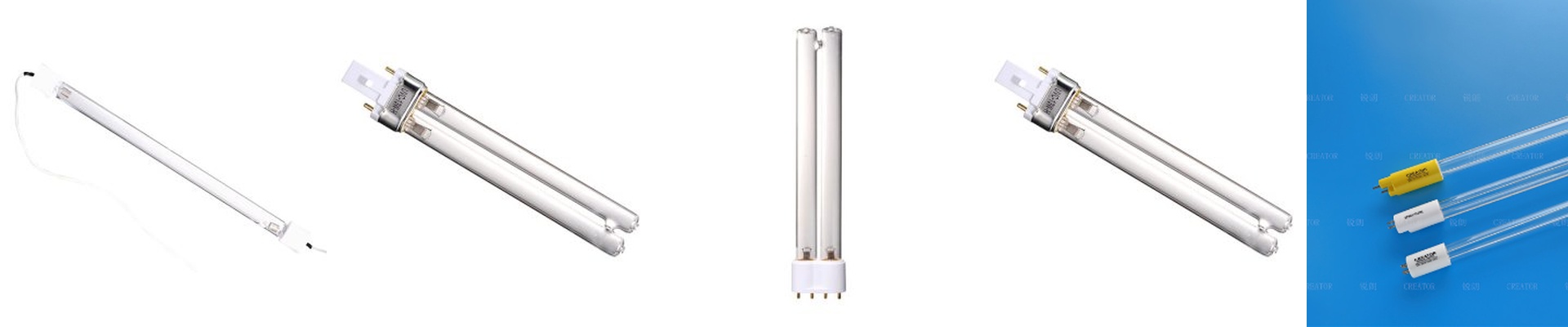
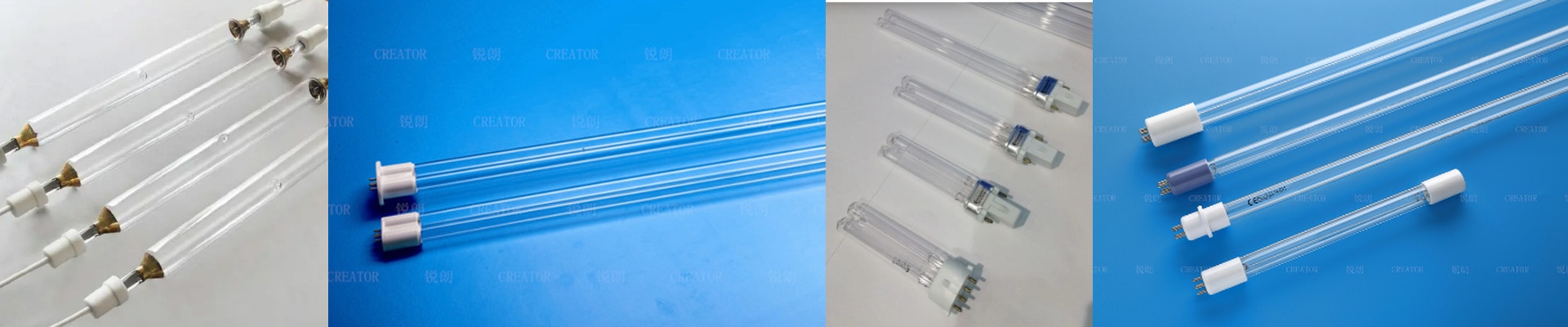
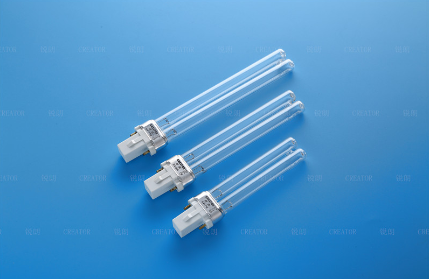
Walk the floor of a big printing plant and you can hear it before you see it—the steady roar of presses in sync, and every UV curing unit running like a node in a high-speed chain. In that environment, electrical noise is just part of the job: arc instability, EMI, line voltage that drifts. If the lamp can’t hold its spectral output steady when the interference hits, it becomes the bottleneck. The same reality shows up in aquarium systems. When pumps, controllers, and other UVC units are stacked close together, the lamp has to keep delivering consistent germicidal output—without folding under crosstalk and line noise. We built our UVC germicidal lamps for exactly that kind of crowded, electrically noisy installation.
What actually matters, technically
Germicidal UVC is all about a narrow spectral window around 254 nm. We run a low-pressure mercury vapor discharge in quartz, with an ozone-free coating to keep the output pinned to the germicidal band. The fixture uses a high-purity quartz sleeve and a reflector geometry that holds a tight arc and keeps irradiance uniform across the target zone. The specs translate straight into performance on the line:
- Peak irradiance at the target plane is measured in mW/cm² and held within tight tolerances, even when line voltage shifts.
- Output stability comes from closed-loop ignition and current regulation that suppress micro-arcing and flicker driven by EMI.
- Lifetime and degradation are targeted to 8,000–9,000 hours, with controlled output decay—no sudden drop-off.
- The operating envelope stays compatible with standard ballasts and drivers, and connector options help reduce wiring mistakes in the field. Stability isn’t marketing. It comes from the ignition circuitry, the ballast design, and how efficiently the reflector does its job. A stable arc means consistent 254 nm output, which means predictable dose delivery. In aquarium work, predictable dose is what separates clean water from microbial bloom.
Why this holds up in the real world
In a multi-unit aquarium rig—or a press hall packed with machines—interference is inevitable. Pumps and motors kick noise onto the line. Proximity creates crosstalk between drivers. If the lamp can’t reject that interference, output modulates, and dose becomes variable. That variability forces you to oversize the system, back off on throughput, or change lamps sooner than you should. Our lamps keep output stable even with multiple drivers running nearby. The ballast and ignition are engineered to reject common-mode noise and keep the arc from wandering. The reflector assembly holds the beam profile consistent, so the target zone gets the same irradiance regardless of electrical activity in the area. The payoff is measurable:
- Germicidal output stays stable under EMI, so kill rates stay predictable.
- Output drift is reduced, stretching the time between recalibration and cleaning.
- Fewer restarts and less current surge stress mean fewer maintenance events—and less downtime. When you look at total cost, the math is straightforward. A lamp that holds peak irradiance longer gives you more effective hours per watt. Fewer replacements, less labor, and predictable performance lower the cost per liter treated. That matters in aquarium systems where uptime and consistent water quality aren’t optional.
What you need to know on install and in the field
Installation is simple, but the job site always adds constraints. Position the lamp to maximize direct exposure to the water column, and keep the quartz sleeve clean—scaling and biofilm cut irradiance faster than lamp aging ever does. The lamp performs best within a specified flow window: too fast and dwell time drops; too slow and the sleeve fouls. We design the lamps to be electrically resilient, but they still need proper grounding and shielding in noisy environments. Keep high-current lines separate from low-voltage control wiring, and pay attention to polarity. In aquarium use, make sure you select the ozone-free variant for your application; ozone-generating lamps call for different venting and material compatibility. UVC intensity decays over time, so plan on scheduled output checks with a radiometer calibrated for 254 nm. Treat the lamp like the precision instrument it is. Give it the same disciplined installation and maintenance you apply to the rest of the system, and it will deliver consistent germicidal performance.