Introduction
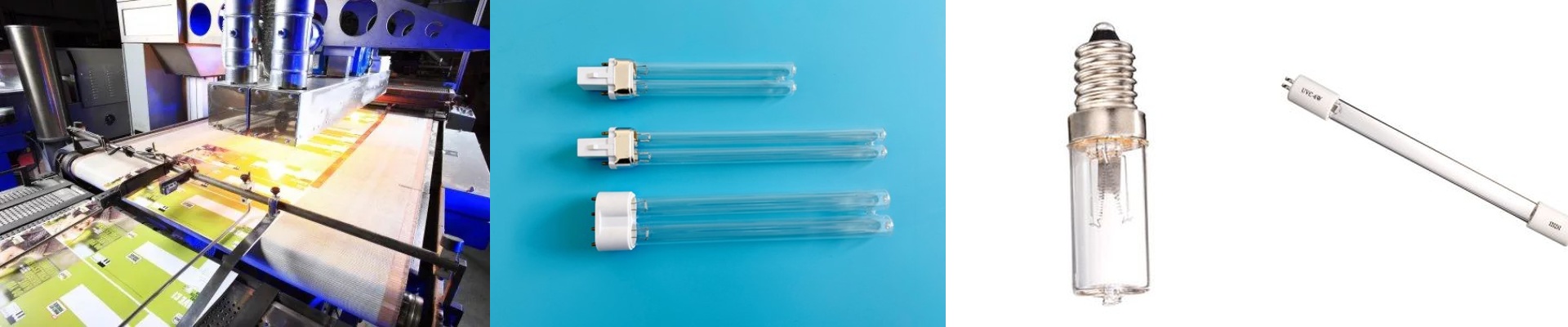
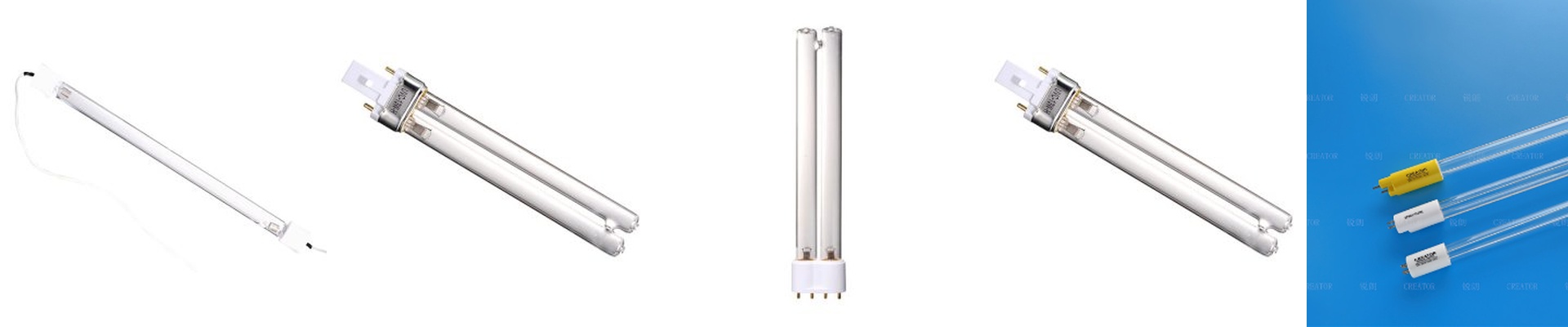
Picture this: you’re on a screen protector line, and the pace is relentless. The machines are moving, and you need a UV lamp that just works. Instantly. Without hesitation. We built our lamps for exactly that moment. For a light that fires on command, holds its wavelength steady, and keeps going, and going, and going. The secret? It all comes down to the cathode. We designed it with low thermal inertia, which is just a fancy way of saying it doesn’t hang onto heat. And that’s why it can handle hundreds of thousands of rapid flashes without the output wavering or the cathode giving up the ghost.
The Cathode: The Heart of the Matter
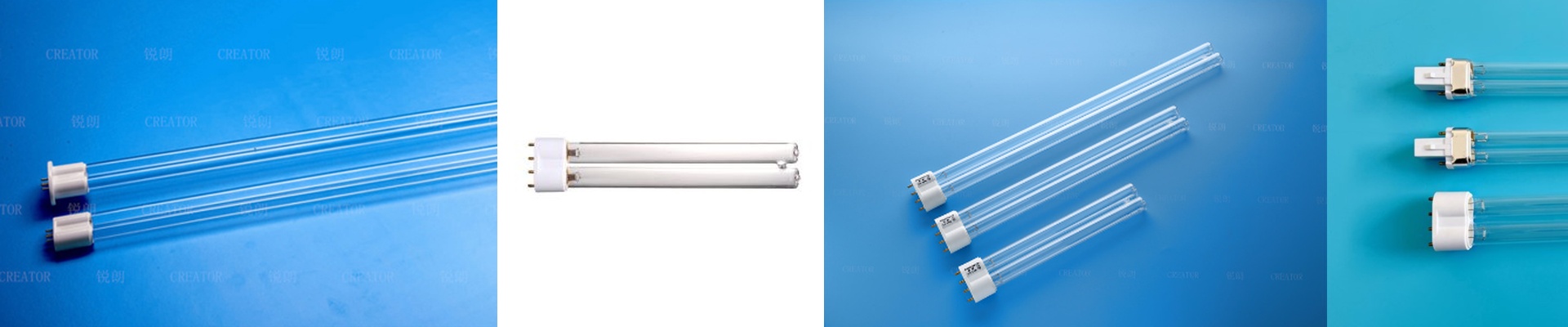
Here’s the thing about rapid flash curing: the lamp fires for a split second, then waits. With a standard cathode, it holds onto that heat, and that leftover warmth messes with the next flash. The ignition gets shaky, and your UV output becomes a rollercoaster. Our low thermal inertia cathode changes the game. It heats up and cools down with each flash, so every single pulse starts from the exact same place. The payoff? A rock-solid ignition and consistent UV intensity, shot after shot, for over 100,000 flashes. Of course, this precision comes with a price. It means we need tighter control over the current and a more serious cooling setup inside the lamp. If the temperature around the lamp creeps up, the driver has to work a little harder to keep the pulse and energy exactly right.
Built to Take the Hit
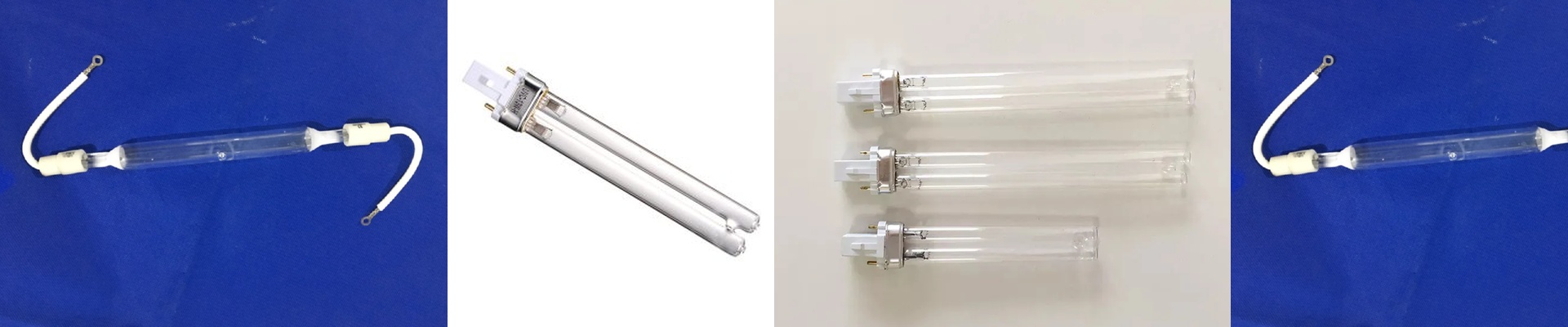
The cathode is the part that takes the brunt of the abuse. So, we engineered it with a specific emission material and a shape that keeps the current density low right at the tip. This cuts down on the ion bombardment that slowly kills other cathodes. It’s all about fighting fatigue. We get that from the right mix of materials and by keeping the temperature stable. We also build the whole lamp to handle those high-voltage, high-current pulses. That means heavy-duty internal connections and a quartz envelope that can handle the shock of heating up and cooling down over and over. The driver and wiring have to be up to the task, too. If the wiring is too thin, it’ll overheat. And a slow driver? That’ll stretch the pulse, pushing the cathode way past its limits.
On the Line: Where It All Comes Together
Out on the production floor, the real bottleneck is never waiting for the lamp to warm up. It’s about curing speed. With our low thermal inertia design, you get UV light the instant you need it, curing adhesives in rapid-fire flashes. Because the lamp stays cool between flashes, you don’t have to worry about warping the substrate or blurring the adhesive line. What does that mean for you? Stable output for long, uninterrupted runs. Fewer lamp changes. Less downtime. And because the lamp behaves the same from the very first pulse to the hundred-thousandth, your control system can lock in the perfect cure window. Just make sure you’ve got the right cooling and a driver that’s properly matched. Do that, and you’ve got a process that just runs. Fast. Clean. And totally repeatable.