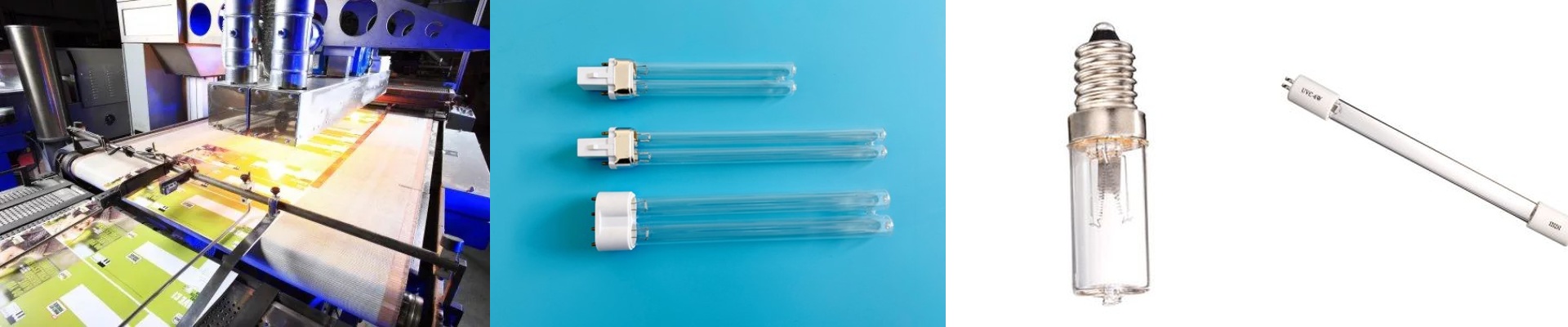
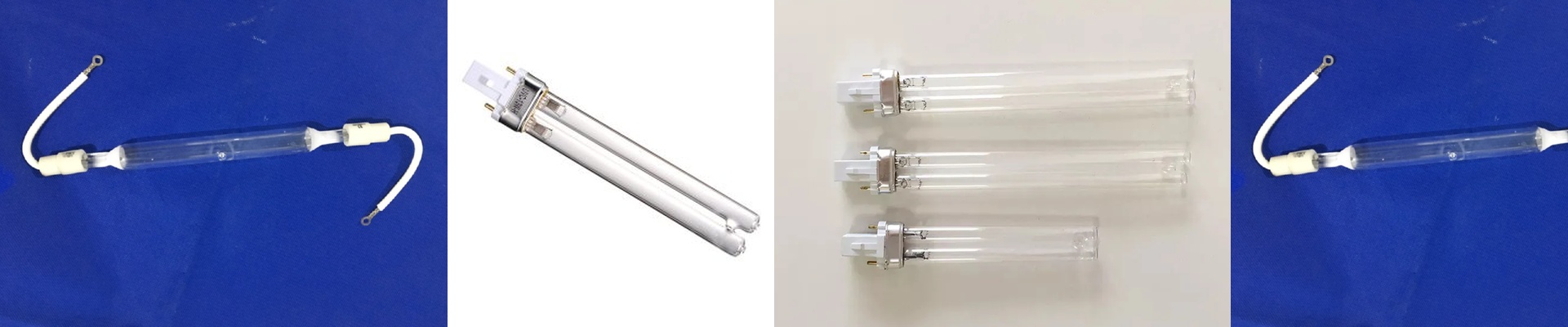
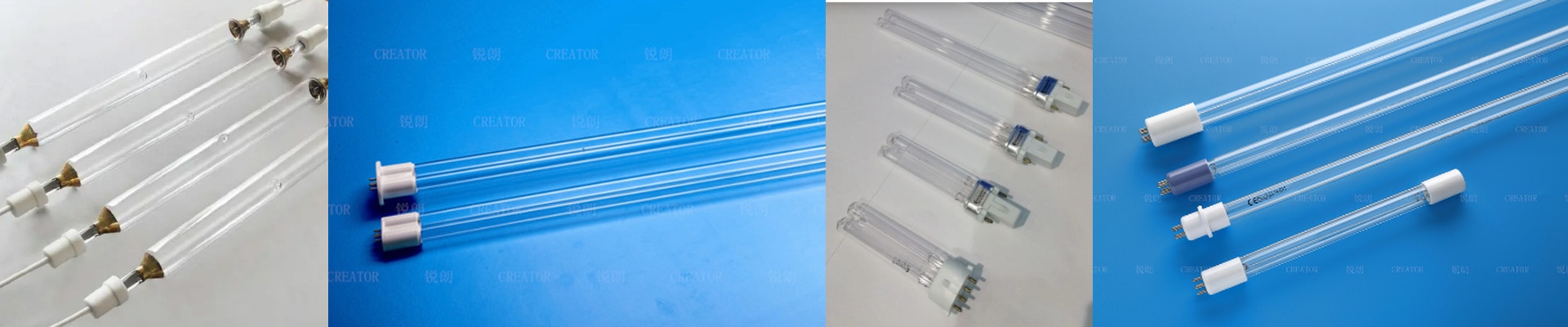
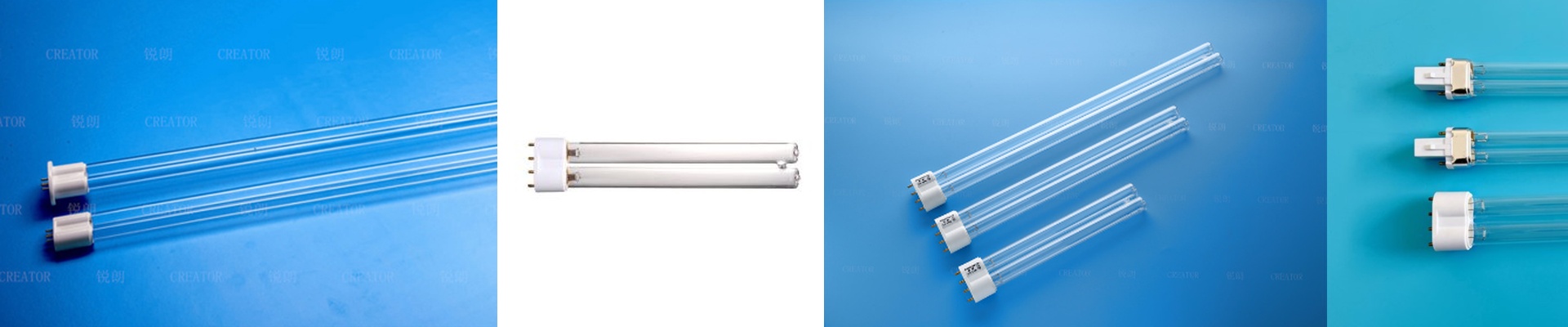
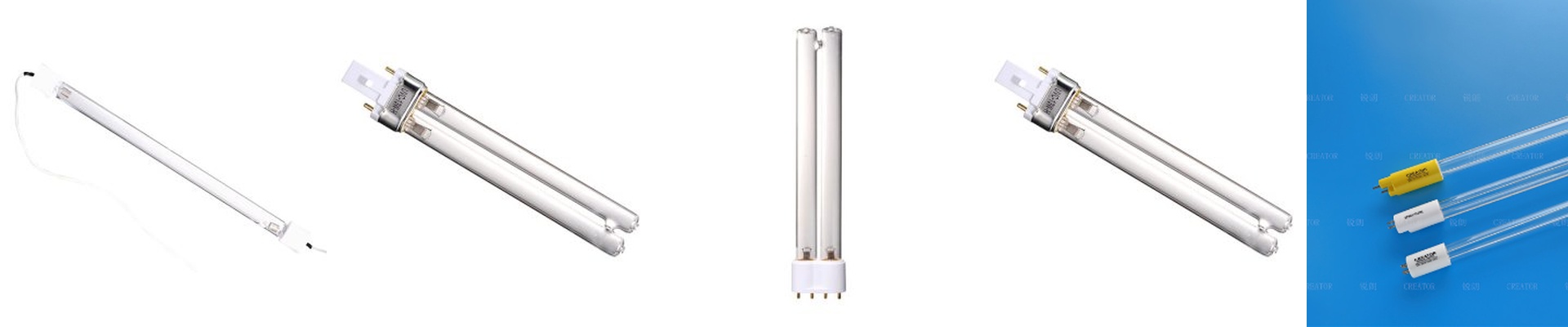
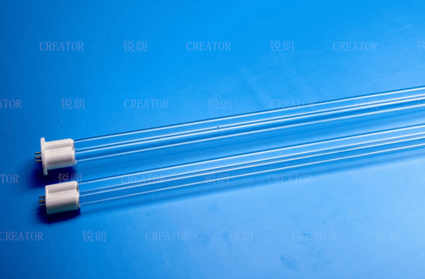
In industrial UV curing, export compliance and supply chain stability aren’t nice-to-haves—they’re part of keeping the press running. When you’re on a 24/7 schedule, leaning on a lamp supplier without proprietary technology is a risk you don’t need: infringement claims, import restrictions, and sudden stoppages are all on the table. We build our high-output amalgam UVC lamps around independently patented designs, so your curing system is protected across borders and your production keeps moving. What matters, technically Our amalgam UVC lamps hold a stable spectral output centered on 365nm, with peak irradiance engineered to exceed 12 W/cm² at the substrate plane. The amalgam formulation keeps mercury vapor pressure locked in, so lamp voltage stays steady even as thermal load shifts—no wild power swings that can give you uneven cure on wide-web flexo and rotary screen. The reflectors use dichroic coatings tuned to bounce UV while letting IR pass, which cuts part heating and evens out cure depth. You can count on 5,000+ hours of operation with less than 5% output decay, measured against baseline irradiance at the arc distance your machine runs. Why this matters on export-focused lines is simple: it’s not just lamp life, it’s legal exposure. Patented lamp architecture and proprietary reflector geometry reduce dependence on overseas components and help keep third-party claims off your back. The payoff is repeatable curing energy density (mJ/cm²) job after job, fewer rejects from under-cure, and maintenance windows you can plan around. On high-speed coaters and presses, you get consistent cross-linking, and you use less energy per cured meter because the system couples power where the photoinitiator actually absorbs it. A few things to keep straight: these lamps need matched power supplies and proper thermal management. Mismatched drivers can shorten lamp life and throw off spectral output. Before changeover, confirm reflector geometry, arc length, and connector interface. Retrofits are straightforward, but alignment and cooling airflow have to meet spec. If you run the lamp outside its rated temperature envelope, output decay accelerates. Keep an eye on lamp temperature and keep the reflector path clean.