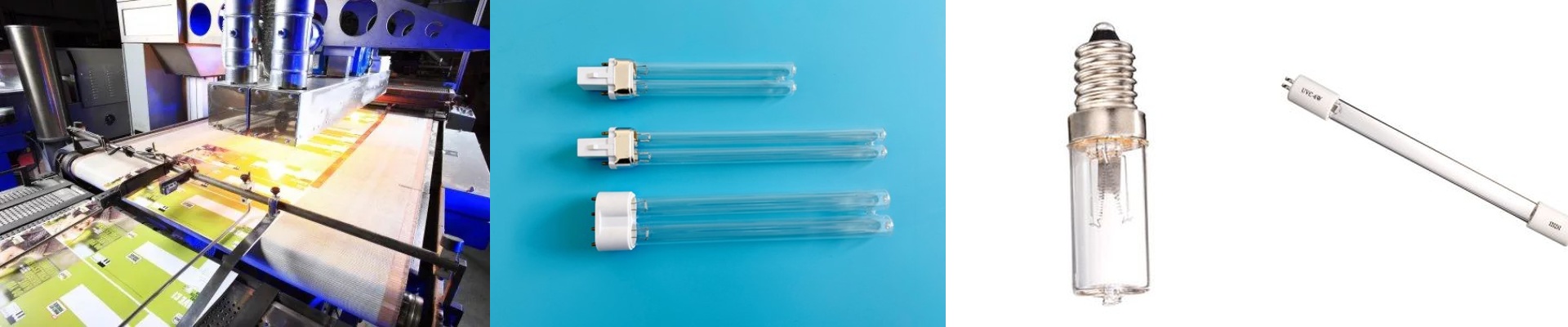
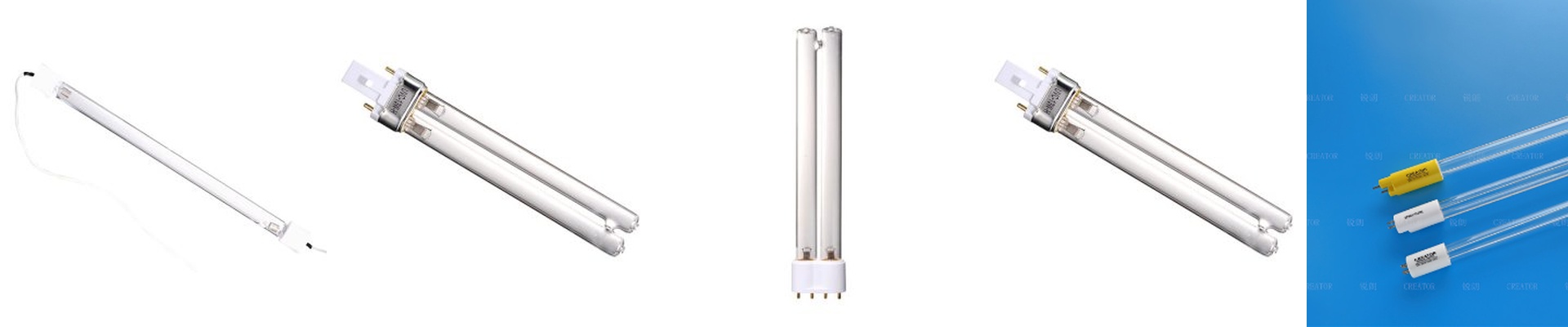
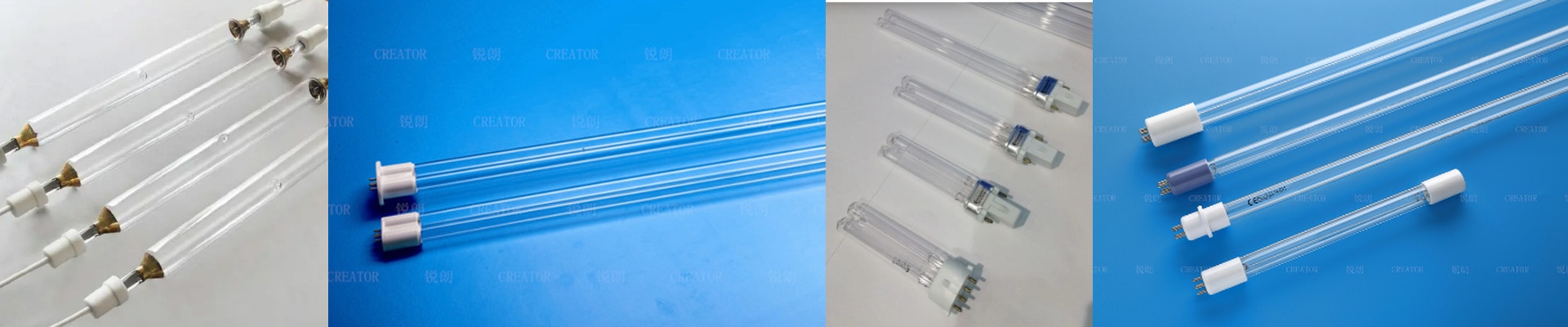
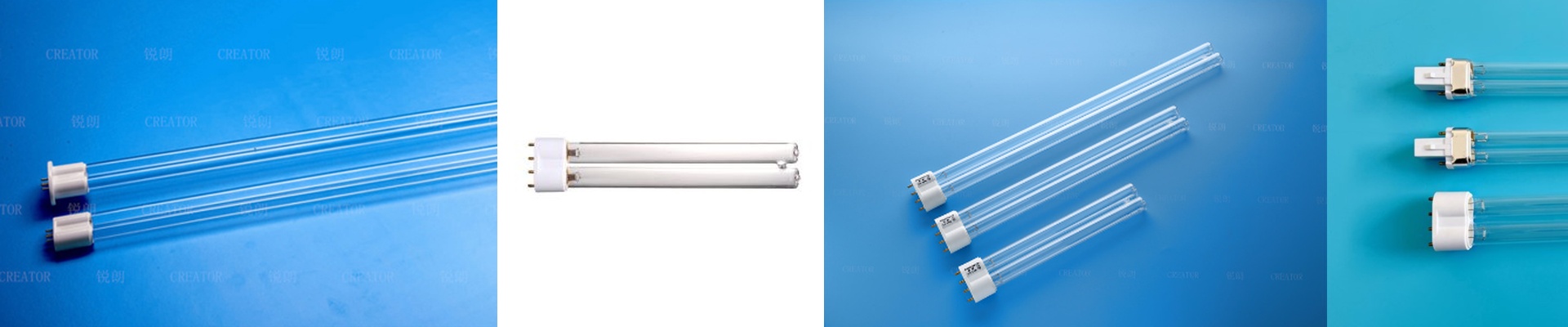
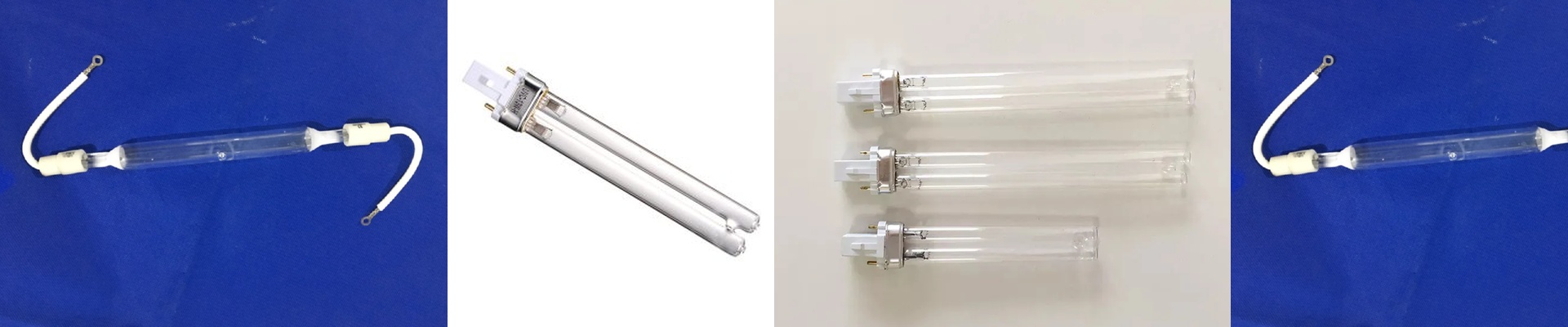
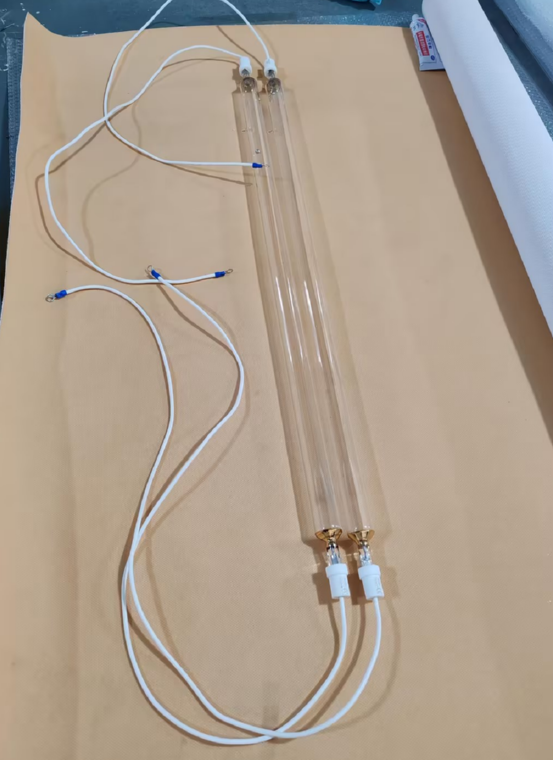
Export printing lines that ship overseas live and die by customs. If the UV lamp isn’t compliant, the shipment gets held, re-testing gets triggered, and the paperwork piles up. We build our Quartz mercury UV lamps with full CE marking to keep that from happening. The payoff is clear: faster clearance and a real, measurable cut in compliance cost per unit shipped. Here is the technical part that actually matters: spectral control and stability. Our quartz mercury lamps hold a steady output profile that’s tuned to what photoinitiators need, with strong UVA emission. Pair that with a reflector using dichroic coatings, and you keep peak irradiance at the substrate where it belongs—so cross-linking stays consistent. We match lamp geometry and electrical parameters to the common lamp-end interfaces, which means dropping into existing UV curing stations is straightforward. Output is engineered to hit the required curing energy density across the lamp life curve, so you don’t chase drift on press. Why this is a fit for export equipment comes down to one point: compliance is engineered in, not bolted on. CE marking isn’t just a sticker; it’s a documented design approach that covers safety, EMC, and conformity assessment. That keeps you out of third-party re-certification at destination and off the wrong side of non-acceptance. On the shop floor, the lamp’s stable output keeps cure consistent on coated stocks, foils, and plastics—so you can hold print speeds and keep rejects low. One practical heads-up: quartz mercury lamps need disciplined ignition and cooling control. Stick with the recommended ballast, keep the reflector aligned, and manage airflow so the arc stays stable and you don’t cook hot spots. If you run outside the specified envelope, output drops and lamp life shortens—CE marking won’t fix that.