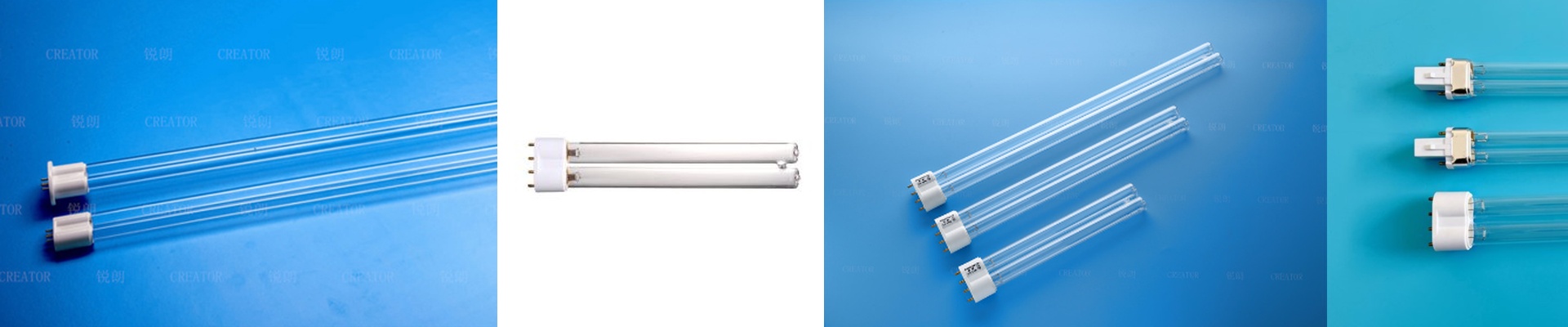
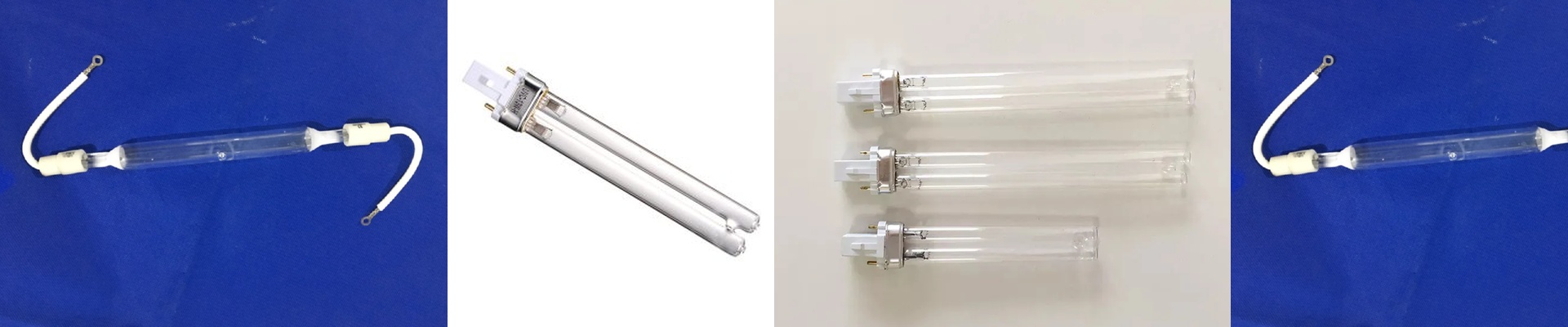
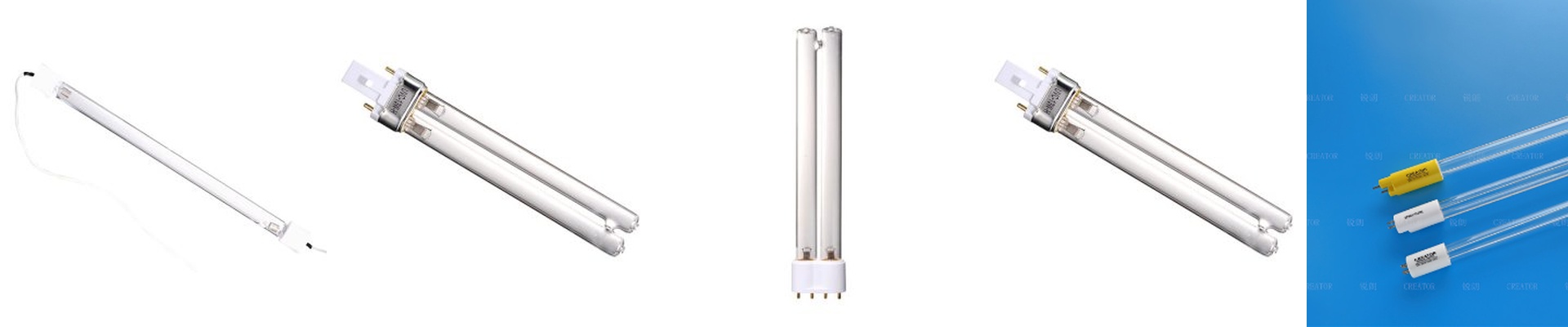
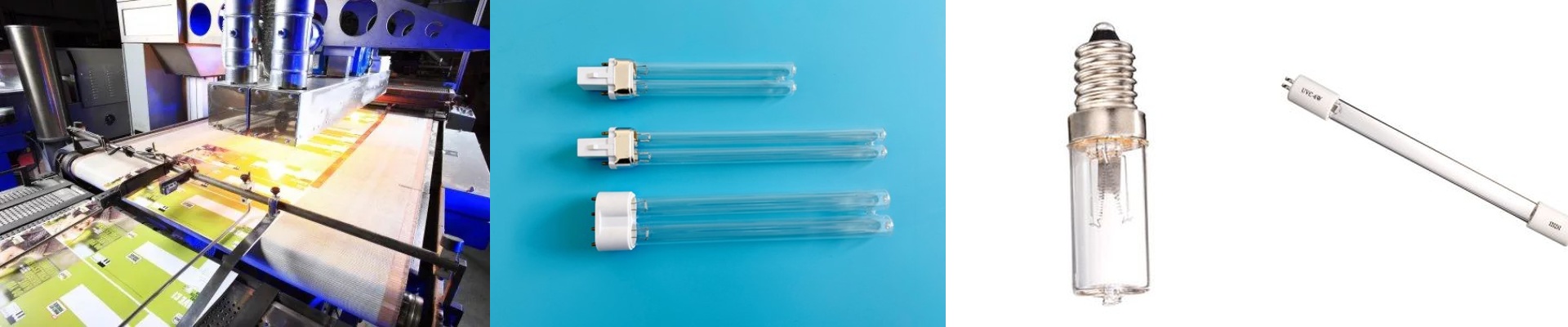
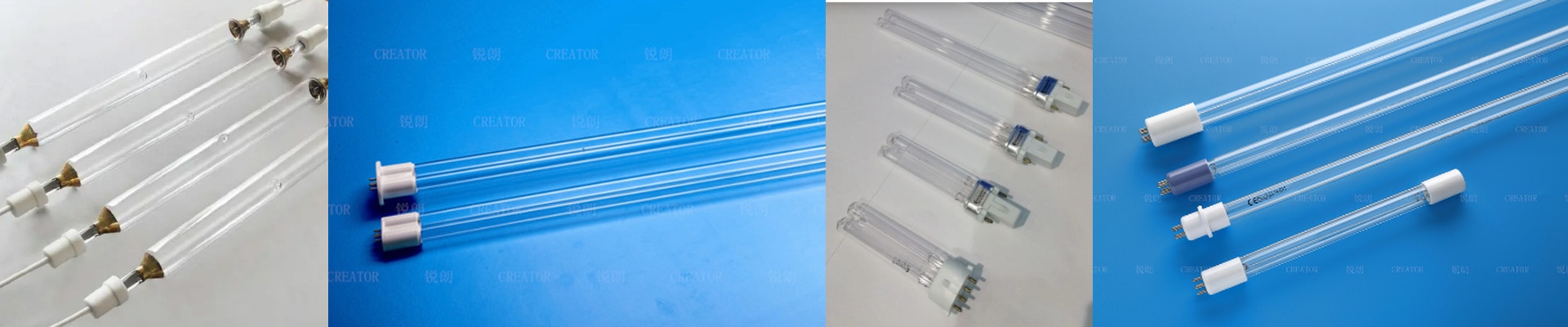
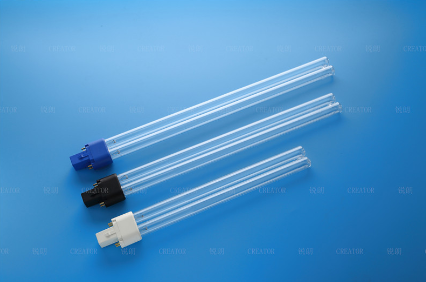
In a reptile habitat facility, the lamp is not decoration—it is the engine that delivers heat and UVA, and it directly drives physiological health. When output drifts down before the rated end-of-life, you don’t just lose irradiance. You lose predictability. Basking zones fall short, UVA exposure drops, and you start seeing it in appetite, activity, and shedding cycles. That’s exactly why we built a custom UV lamp program around stable spectral output, repeatable power delivery, and a warranty that’s written for how the equipment actually runs in the real world.
Power, spectrum, and stability—what actually matters
In reptile lighting, the question is never “how bright.” It’s always: what spectrum, at what intensity, for how long. We design the lamp around three measurable items. 1) Spectral output and wavelength control. Reptile terrariums need strong UVA, typically in the 320–400 nm band, with a practical emphasis around 365 nm for biological response. We specify lamps with controlled spectral profiles to avoid too much short-wavelength energy, which can increase ozone formation and create unnecessary risk near ventilation openings. Where the fixture geometry allows, we use ozone-free formulations and dichroic coatings to shape the output toward UVA and reduce unwanted IR loading. 2) Power density and peak irradiance. A lamp can look “on” while still delivering insufficient irradiance at the basking surface. We size the system to hit target irradiance at defined working distances, expressed as power density (mW/cm²). Peak irradiance matters because reptiles need consistent, repeatable exposure—not a quick spike that fades fast. Treat the lamp, reflector geometry, and fixture spacing as one optical system, not a collection of parts. 3) Lamp stability—same physics as curing, same discipline. Even though this isn’t an industrial curing line, the physics is the same: UV output decays with runtime. We control that decay by selecting stable lamp materials, keeping operating current within rated limits, and managing thermal load. Practically speaking, you want a lamp that holds output in a narrow band over time—not one that takes a sharp drop after the first few hundred hours. When you measure performance, use a calibrated radiometer. If you can, verify spectral output with a spectrometer. The number that matters isn’t marketing language—it’s irradiance at the basking zone, repeatable across lamps and across replacement cycles.
Predictable output, repeatable habitat conditions
A reptile terrarium is a controlled environment. Temperature gradient, humidity, photoperiod, and UV exposure all have to be repeatable. Our custom UV lamps support that discipline in three practical ways. Consistent photoperiod delivery. You set a day/night cycle, and the lamp has to deliver stable output during the “on” time. When lamps drift, you end up compensating by extending runtime or moving fixtures closer—both of which push in heat stress and uneven exposure. Fewer maintenance interruptions. Downtime isn’t just the minutes it takes to swap lamps. It’s also the time spent re-stabilizing conditions afterward. A lamp that maintains spectral stability over its rated life cuts down on recalibration and stops the habitat from living in a constant correction loop. Warranty terms that match the engineering. If output declines beyond the agreed performance envelope during the warranty period, we don’t offer vague reassurance. We follow a defined replacement or compensation process based on measured performance criteria. That’s how you keep trust when the schedule matters.
Installation, compatibility, and real-world constraints
A UV lamp won’t perform reliably if it’s dropped into an incompatible fixture or run outside its thermal envelope. Match the ignition and driver. The lamp’s rated voltage, ignition method, and operating current have to match the ballast/driver. Mismatched drivers lead to repeated hot restrike attempts, unstable arc behavior, and accelerated output decay. Control heat and spacing. UVA output comes with heat. If the fixture is sealed without adequate ventilation, heat builds and output drift gets worse. Treat the lamp as a thermal system: provide airflow, keep the recommended mounting distance from substrates and enclosure walls, and don’t crowd multiple heat sources into one tight zone. Accept the real trade-off: output versus lamp life. Higher peak irradiance generally means higher operating power, which shortens lamp life. We can tune the system toward maximum irradiance, longest life, or a balanced profile. You pick one. There’s no single curve that maximizes all three at once. Measure, or you’re flying blind. Even the best lamp underperforms if the reflector is misaligned, dirty, or undersized. Set a routine: baseline irradiance readings at installation, periodic spot checks, and clean record-keeping. If you don’t measure, you can’t manage drift. If you’re specifying a UV lamp for a reptile terrarium, start with the basking zone requirements, lock in the operating distance, and then design the lamp and fixture as one system. When output stays stable, the habitat stays stable—and your schedule stays intact. If one of our custom UV lamps shows performance decay within the warranty period, our process is straightforward: confirm the failure mode by measurement, then execute the agreed replacement or compensation without extending your operational risk. Reliability is something you run, not something you wish for.