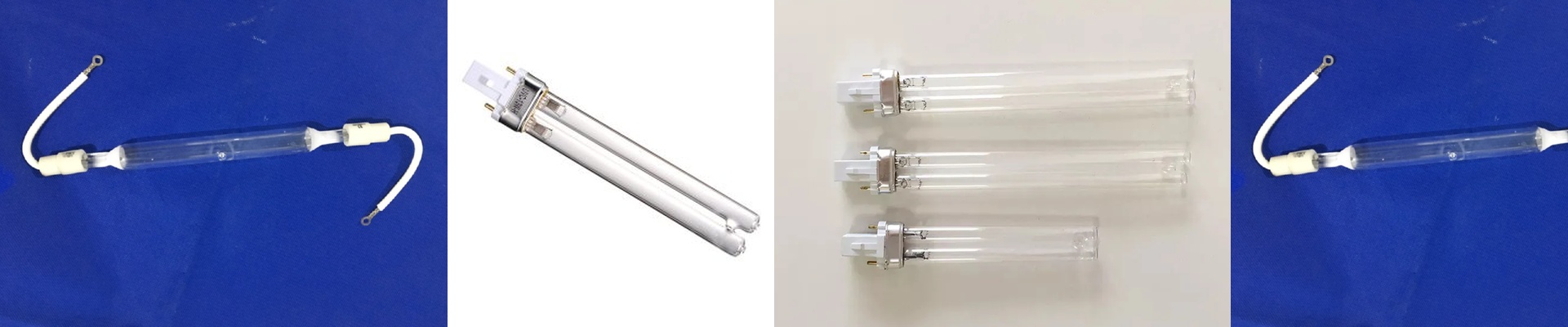
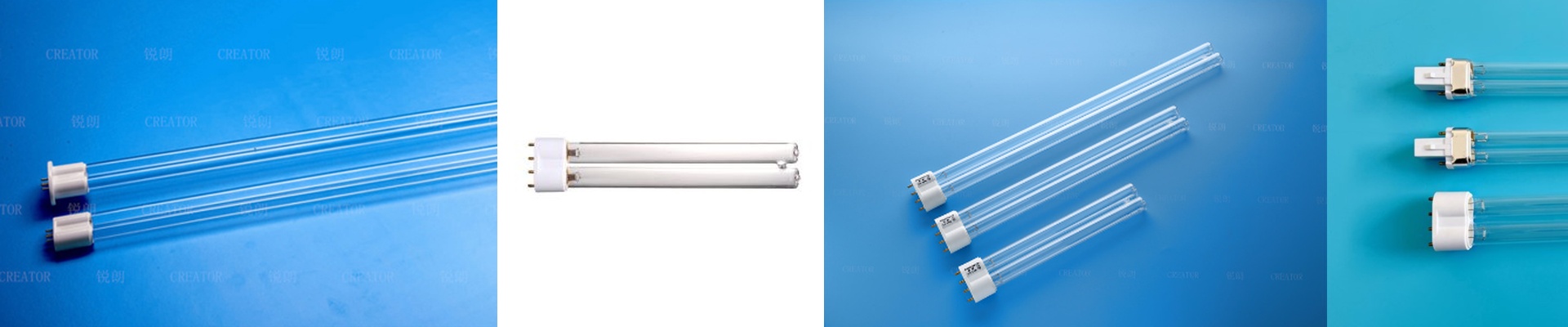
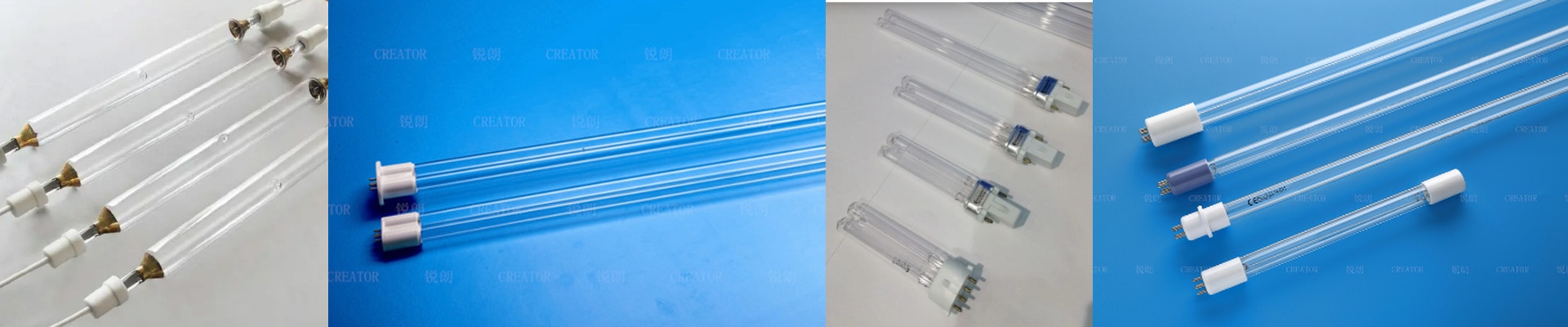
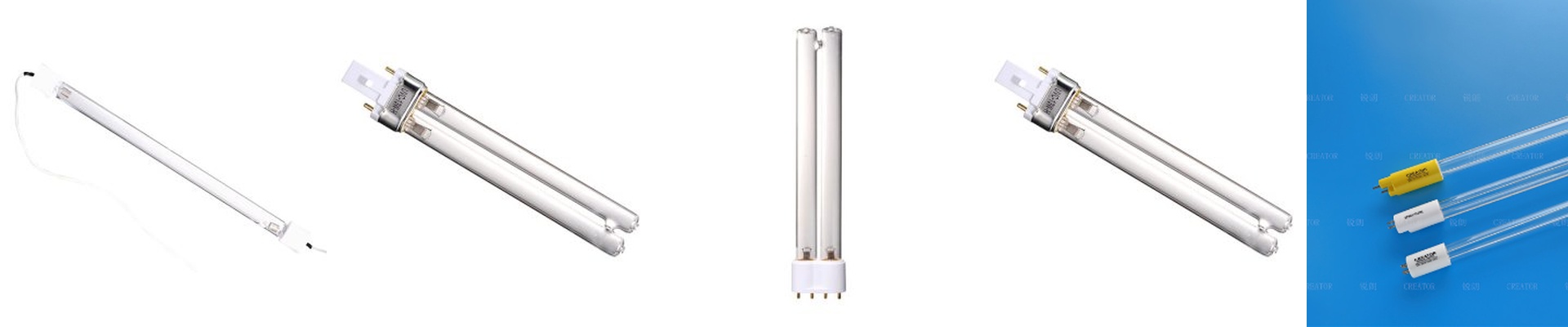
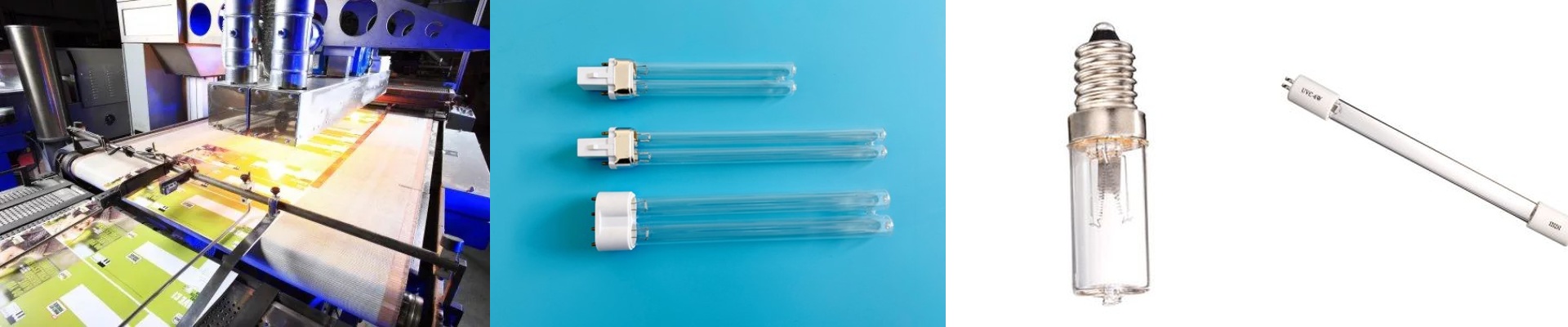
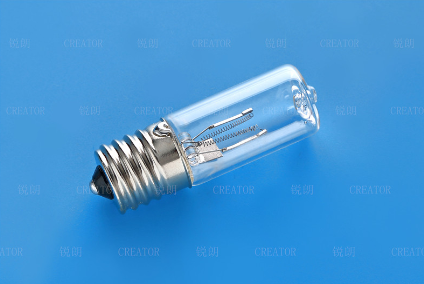
On the packaging line, one under-cured laminate or a weak seam seal is all it takes. Containers collapse, inks scuff, and cross-border shipments show up beat up. UV curing isn’t a cosmetic step. It’s the structural lock that holds up under stacking, vibration, and climate swings. We build mercury and gallium lamp systems that put repeatable energy on the substrate, not just on the meter. What matters, technically Mercury lamps give you a broad spectral output with real punch around 365 nm, driving deep cross-linking through pigmented overprint varnishes and adhesive layers. Gallium-doped lamps shift the peak toward 405 nm, which improves surface cure on thick films and clear coats—places where short-wave UV gets absorbed too early. Our lamps run at stable arc power with tight junction temperature control, so irradiance stays consistent across the web. Expect peak irradiance up to 12 W/cm², curing energy density in the 400–800 mJ/cm² window, and a rated life of 1,500–2,500 hours depending on power density and duty cycle. The reflector stack uses dichroic coatings to shape the spectrum and cut IR load, so you cure faster without scorching films. Why it works in packaging When you’re upgrading for logistics safety, you need a cure that’s instant, cold, and uniform. With mercury and gallium spectral options, you can match photoinitiator absorption to the layer that actually carries the load—seam adhesive, scuff-resistant varnish, or moisture barrier coating. The payoff is immediate through-cure, immediate stacking, and immediate dispatch. You shrink dwell space, reduce rejects from incomplete cure, and keep throughput steady even when you switch between carton board and thin films. Energy draw drops because curing happens in-line, and lamp replacements come less often because output stays stable across the rated life. Here are the things to know These lamps need precise ignition voltage and careful junction temperature management. Match the lamp to your reflector geometry and cure window; if spectral output or irradiance profile is off, you’ll get surface tack even when the meter reads high. Higher power shortens lamp life—plan maintenance around duty cycle and keep spare lamps matched by serial calibration. For ozone-free operation, use ozone-free quartz sleeves and maintain airflow as specified.