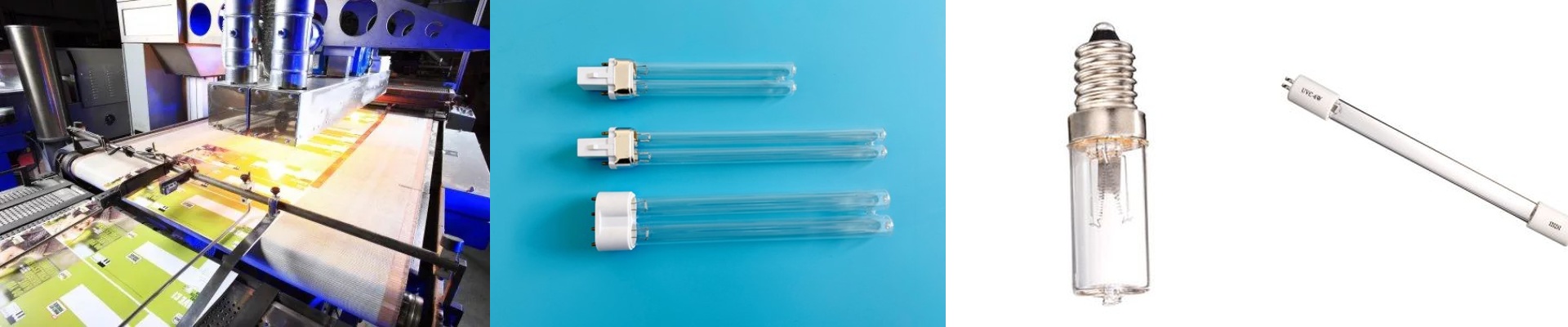
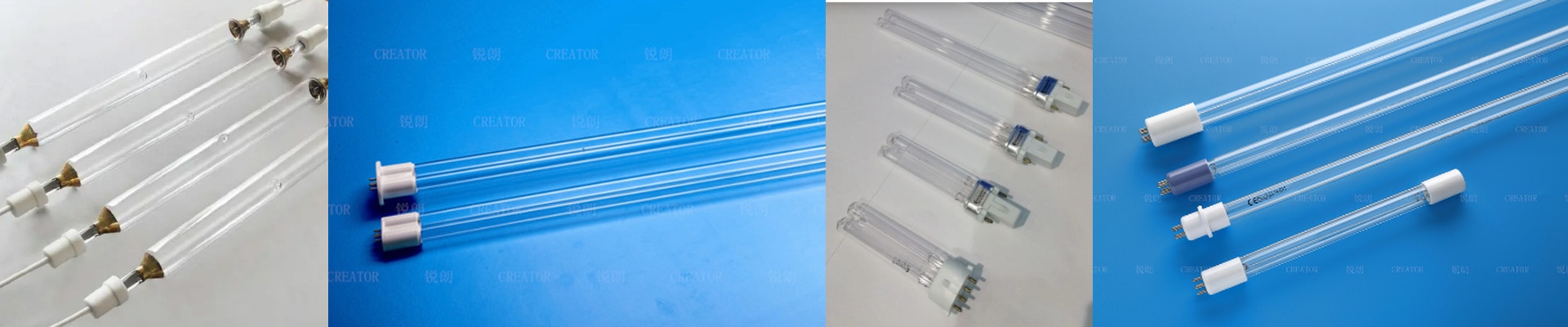
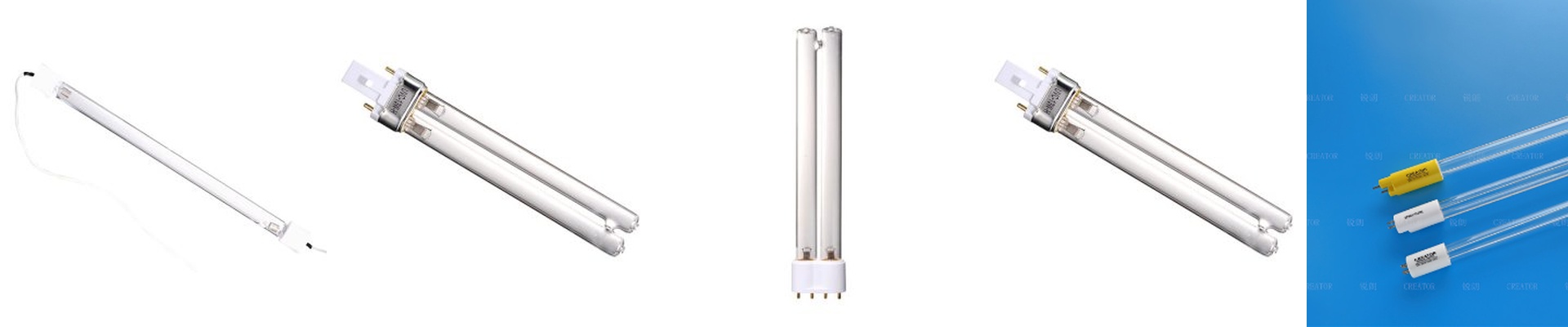
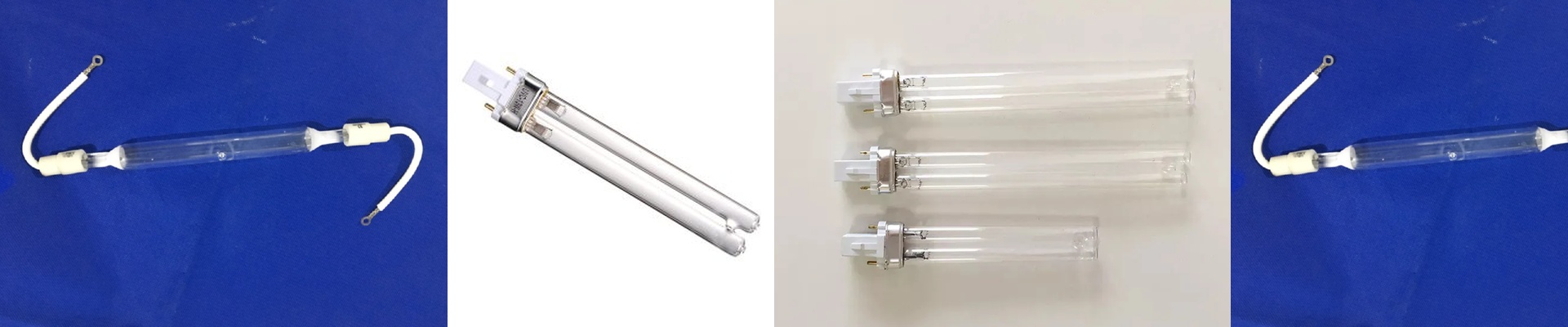
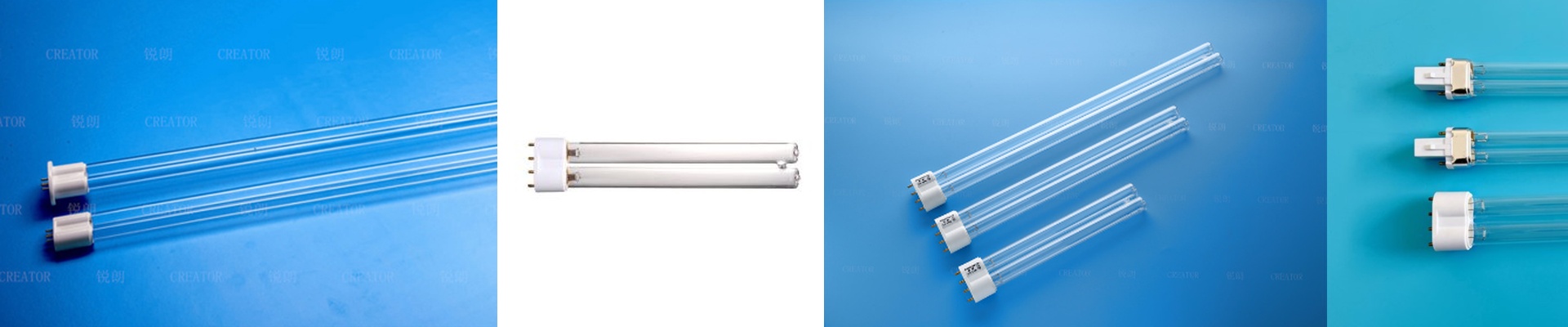
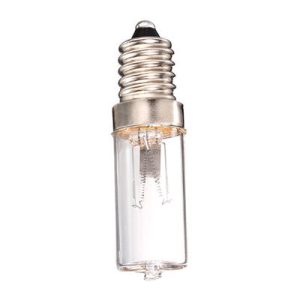
After 15 years tuning UV curing systems on real production floors, I’ll say it straight: the lamp isn’t a consumable. It’s the core process instrument. When the press is screaming at top speed, under-curing shows up fast—adhesion loss, solvent carryover, and jobs that end up in the reject pile. We built our Gallium iodide UV lamps to deliver repeatable spectral output and stable peak irradiance so the ink film cures through, not just on the surface. Here’s what matters in practice: the match between lamp output and the ink chemistry. Gallium iodide doping shifts the spectral distribution to beef up output around 365–405 nm, right where many UV offset, flexo, and screen inks have photoinitiator absorption. That means faster cross-linking, less surface oxygen inhibition, and a more consistent cure window across the substrate. We hold spectral output to a tight spec so you can predict photoinitiator conversion and set cure dose with confidence. And the payoff on the line is stability. Gallium iodide lamps run cooler than standard mercury vapor systems, so you cut substrate heat load and reduce distortion on sensitive films. Pair that with an ozone-free design and a reflector tuned for high photon efficiency, and you get more effective light intensity on the web—higher throughput with less energy per cured meter. These units are field-proven, with long runtime and low output degradation, so lamp swaps stay rare. One practical heads-up: gallium iodide lamps demand precise ignition and ballast matching. Check your power supply profile and reflector geometry, and confirm the lamp’s spectral output against your ink’s photoinitiator package. Treat lamp-to-driver compatibility as part of the setup, not an afterthought, and the system will deliver repeatable, high-yield curing shift after shift.