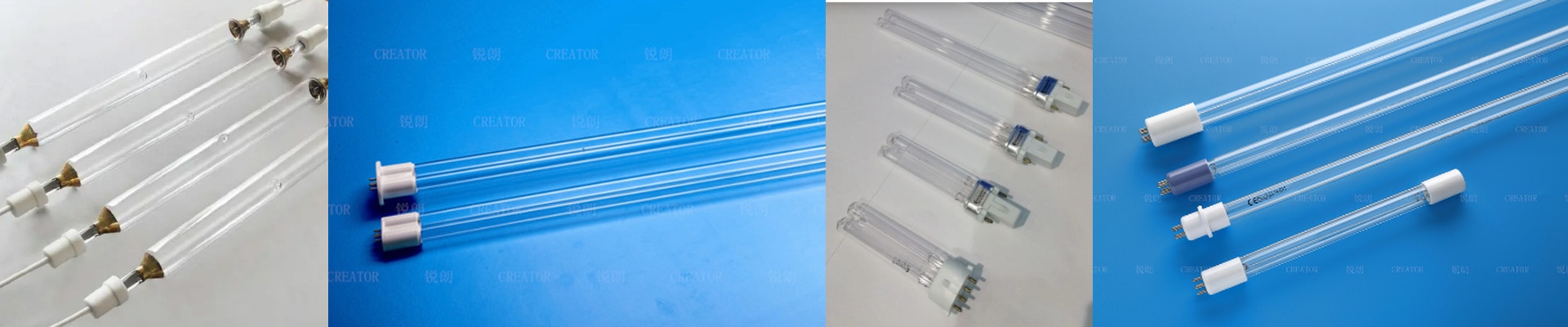
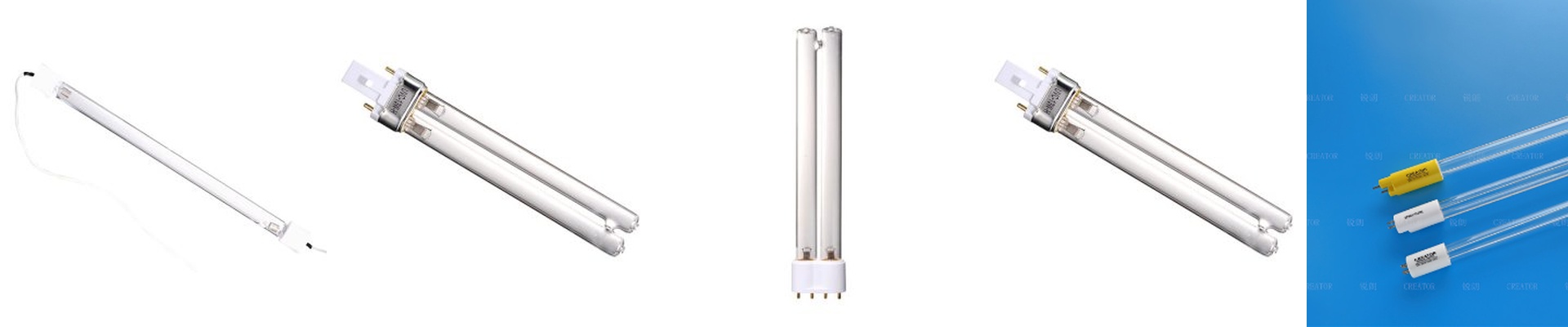
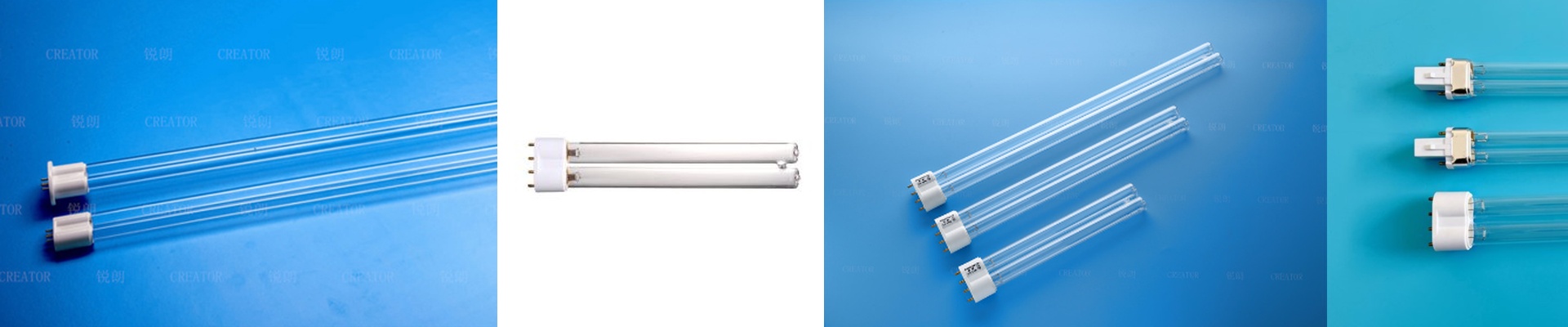
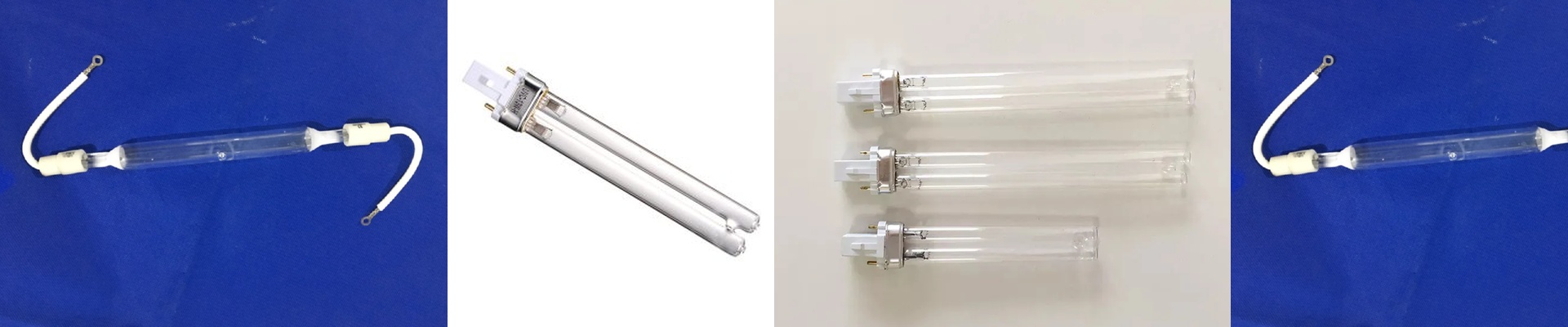
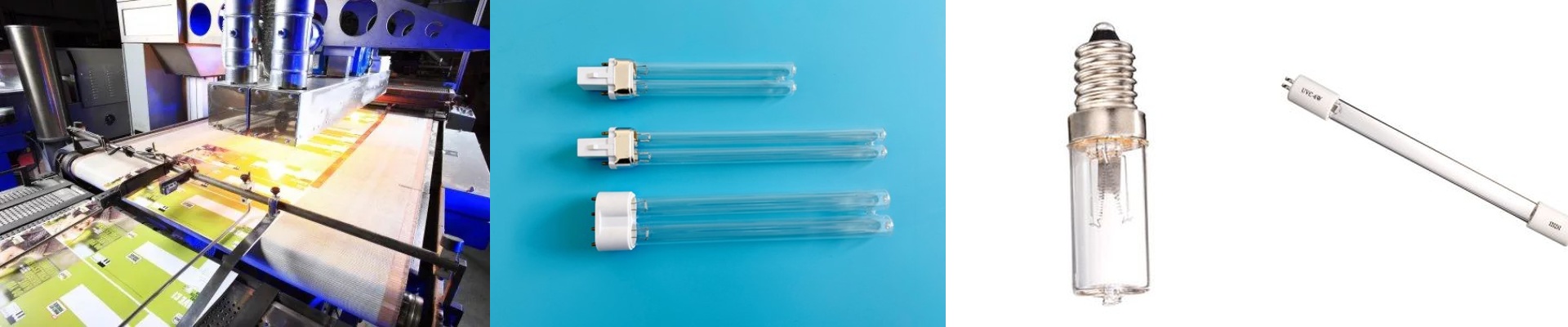
On the press, thick-film UV inks need energy that lines up with the photoinitiator’s absorption and the ink geometry. If the lamp spectrum is wrong, you get surface skinning while the bottom stays liquid, or you end up scorching the substrate just to chase speed.
What actually matters
Thick-film cure comes down to spectral match, peak irradiance, and delivered energy density. Gallium UV emitters focus output around 365 nm, which hits the photoinitiators most thick-film formulations rely on. That wavelength choice keeps photon penetration consistent through the layer, so cross-linking happens top to bottom, not just at the surface. Peak irradiance at the substrate plane is what sets cure speed. Higher irradiance shortens the exposure window, sure — but only if the reflector geometry and dichroic coating are dialed to concentrate the band you actually need. Energy density (mJ/cm²) is the metric you live by: set it by speed and lamp power, then confirm it with a radiometer.
Why this approach holds up on the line
We build these emitters with ozone-free quartz glass, so the 185 nm line is suppressed. On the floor, that means no ozone generation during operation — better for operators’ breathing and no need for dilution ventilation at the curing station. The payoff is a cleaner environment and fewer stops for ventilation issues. With thick films, the stable 365 nm output gives you repeatable cure depth. You get fewer rejects from incomplete cross-linking, and adhesion stays consistent on both rigid and flexible substrates.
The details you can’t skip
Ozone-free quartz does trade off some short-wave UV output compared with ozone-generating lamps. Make sure your ink’s photoinitiator responds at 365 nm, then adjust lamp power or dwell time to hit the required energy density. Match the emitter to the curing module. Reflector focal distance, cooling airflow, and shutter cycle rate all have to line up with the lamp’s rated duty cycle. Run the lamp at the specified input power, and track output with a calibrated spectral radiometer. Output decay is predictable, so plan replacements based on measured mJ/cm² margin, not a calendar.