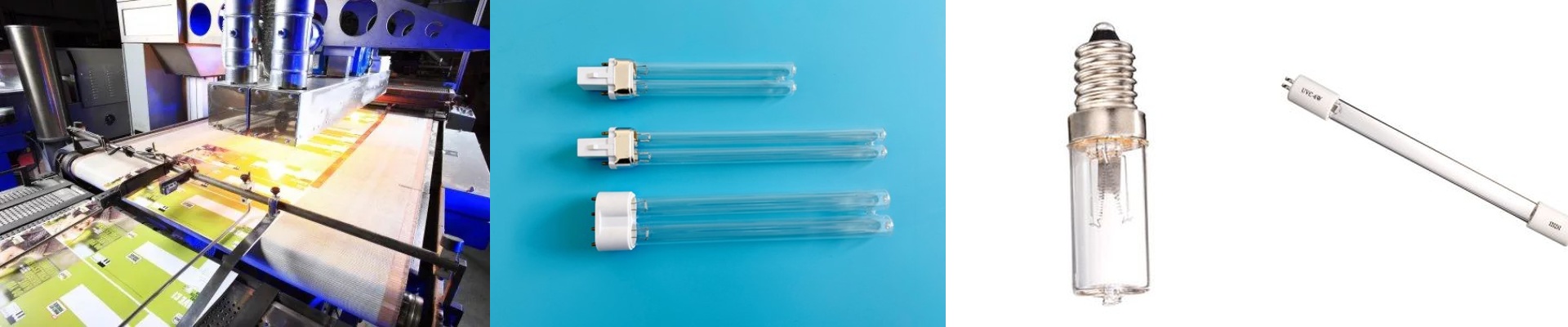
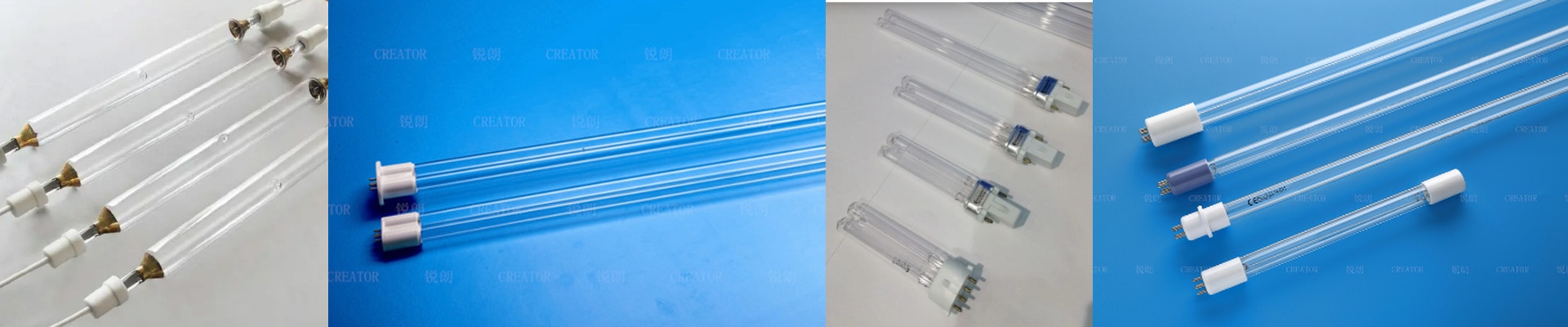
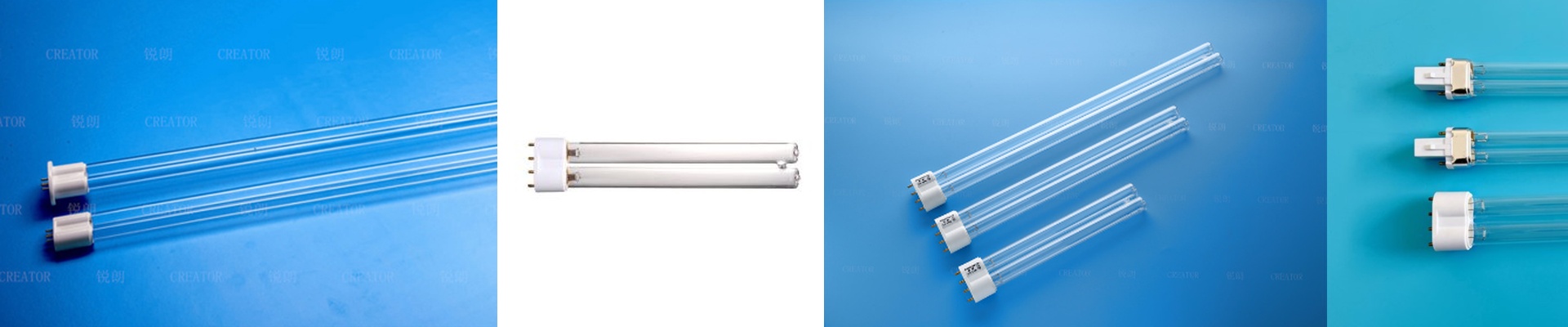
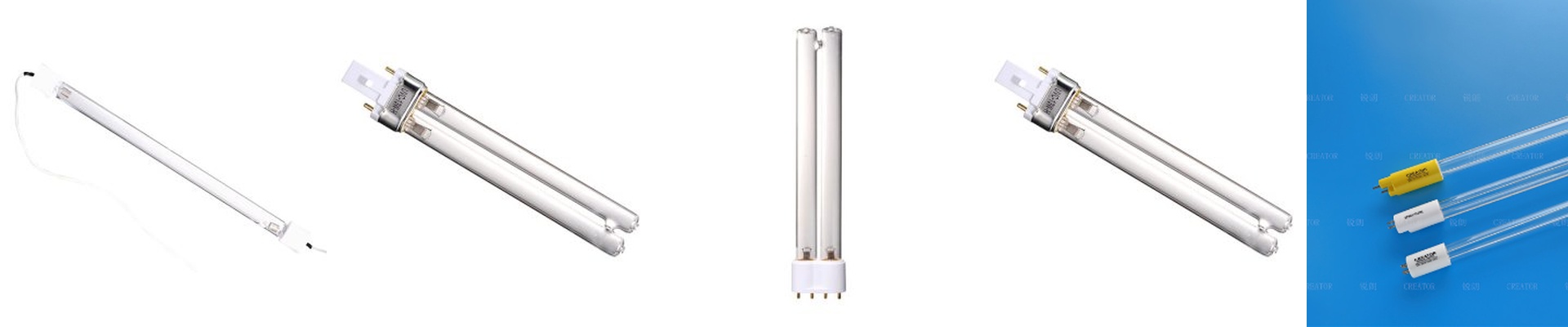
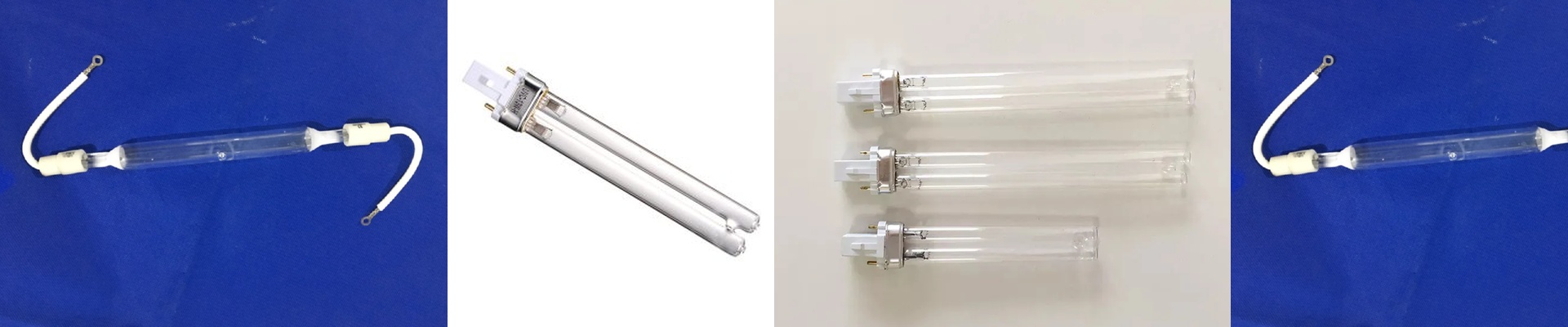
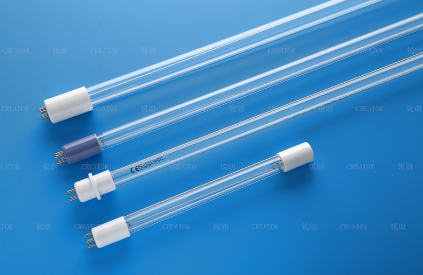
Outdoor canvas is where UV curing proves its worth on the shop floor. Give the job a lamp that doesn’t put out the right spectrum, and you’ll know it immediately—color shifts, weak adhesion, and a laminate that peels apart in the sun. For advertising canvas, the only question that matters is measurable: how many years will the print stay legible without fading? That answer comes down to energy density and spectral match, not hype. What actually matters under the hood A UV resin curing lamp has to hit the photoinitiator absorption peaks consistently—365 nm for depth of cure, and 395 nm for surface cure—while the reflector keeps irradiance even across the full print width. Peak irradiance, in mW/cm², is what sets your speed. Energy density, in mJ/cm², is what sets cross-linking density. We spec lamps that hold output within ±5% over 2,000 hours, with dichroic coatings to cut IR heat and keep substrate temperature under control. Ozone-free quartz envelopes make ventilation simpler and keep operators safer. Outdoor canvas needs pigments locked down and a fully cured surface that can take UV degradation, moisture, and abrasion. When the lamp spectrum matches the ink chemistry, the print can clear standard weathering tests—say, 2,000 hours accelerated exposure—without gloss loss or color drift. In the field, that translates to multi-year outdoor life, fewer reprints, faster turnaround, and adhesion that stays consistent on coated canvas. The lamp’s stable spectral profile keeps cure repeatable job after job, even when you push press speed. Here’s the practical part: the lamp and the press have to be matched, period. Get the connector orientation right, confirm reflector width and focal distance, and verify the cure profile with a radiometer—don’t guess by time alone. High-pressure mercury lamps deliver the intensity you need for thick ink films, but they need stable power and proper cooling. Undersized cooling or voltage swings will shorten lamp life and throw off spectral output. Plan for end-of-life monitoring and replace lamps on schedule so irradiance stays in spec.