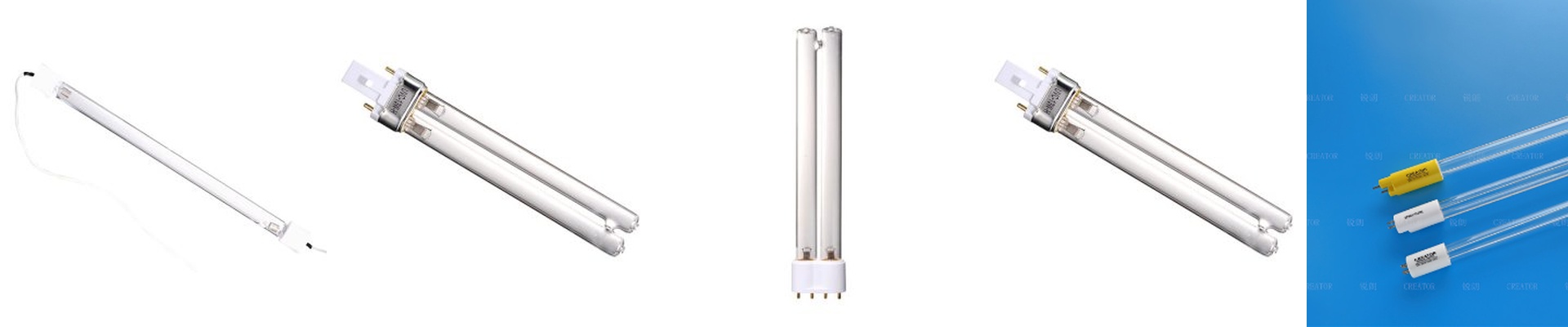
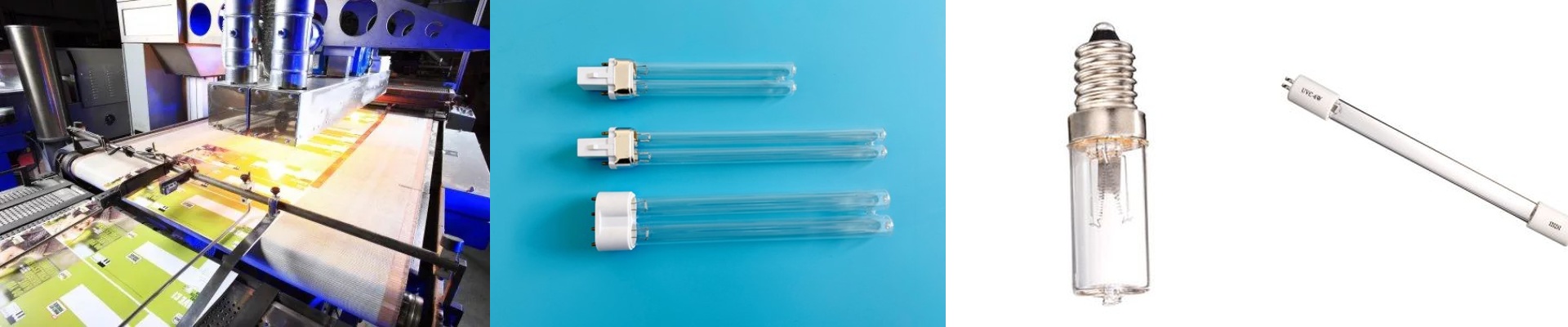
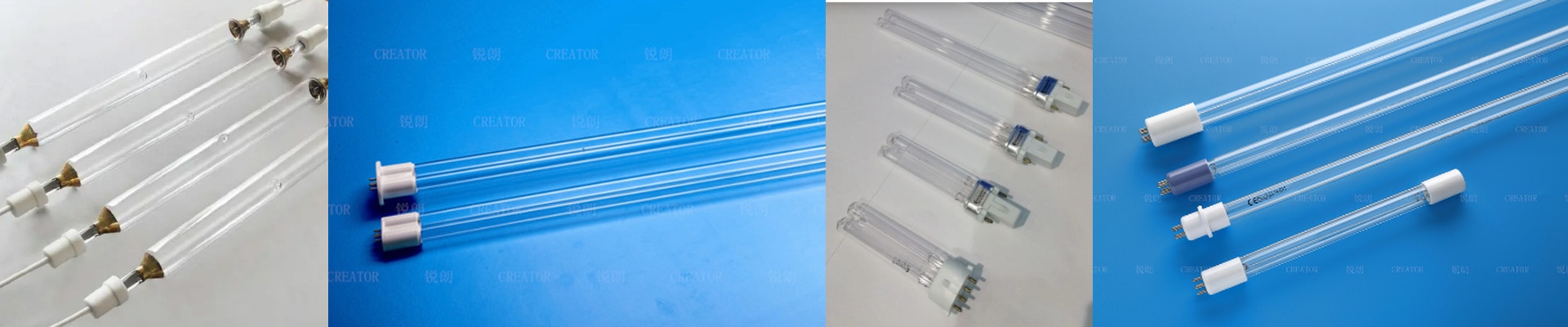
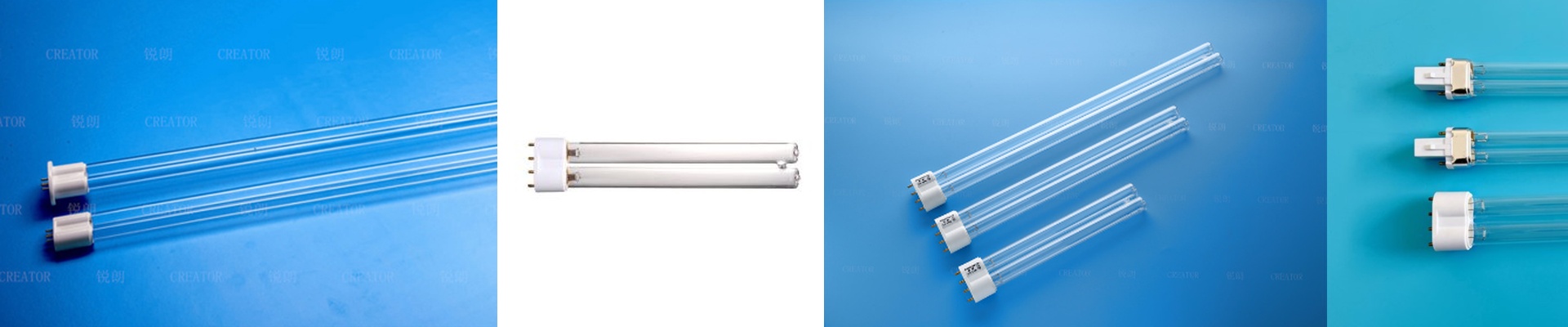
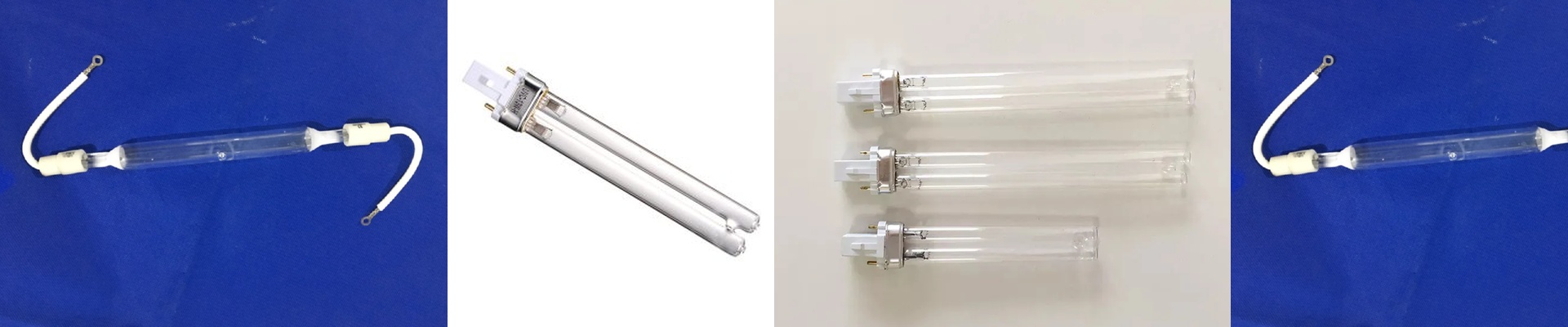
Cross-border logistics doesn’t forgive weak packaging. Once a shipment leaves the dock, it gets hammered—shock, compression, wild temperature swings. With 3D-printed protective packaging, that joint where the printed part meets the protective shell is where everything can let go. UV curing turns that joint into an engineered interface you can count on. What actually matters under the hood We build these UV curing lamps for 3D printing around controlled spectral output and repeatable energy delivery. We run a narrow-band profile centered at 385 nm, matched to the photoinitiators in packaging-grade resins without dumping excess surface heat into the part. Peak irradiance at the print surface hits 1,200 mW/cm², and we calibrate delivered energy density to 800–1,200 mJ/cm²—enough to drive full cross-linking through typical layer thicknesses in seconds. The lamp arc sits behind a dichroic-coated reflector to cut spectral spill and squeeze out more usable UV, and we monitor output against a known spectral radiometer trace. Ozone-free operation keeps the work cell cleaner and cuts down on maintenance headaches. Why it sticks on the factory floor You get adhesion that holds up under vibration testing, and it’s repeatable shift after shift. Curing cycles finish in seconds, so throughput climbs without trading away bond strength. Spectral consistency means fewer rejects from under-cured edges or over-cured brittleness. And because the lamp delivers the needed photon flux without heating the substrate, energy use stays sensible. The payoff is packaging that holds geometry, absorbs impact, and arrives intact—no damage, no rework. The details that bite you if you ignore them Installation has to respect the printer’s optical geometry. Alignment tolerance is tight—miss the focal plane by a few millimeters and irradiance can drop by double digits. Check compatibility with your printer’s shutter cycle and duty cycle. Rapid on/off at high current will chew lamp life. Plan cooling and airflow. Even ozone-free lamps throw off heat, and if you don’t remove it, spectral output won’t stay stable for 5,000+ hours.