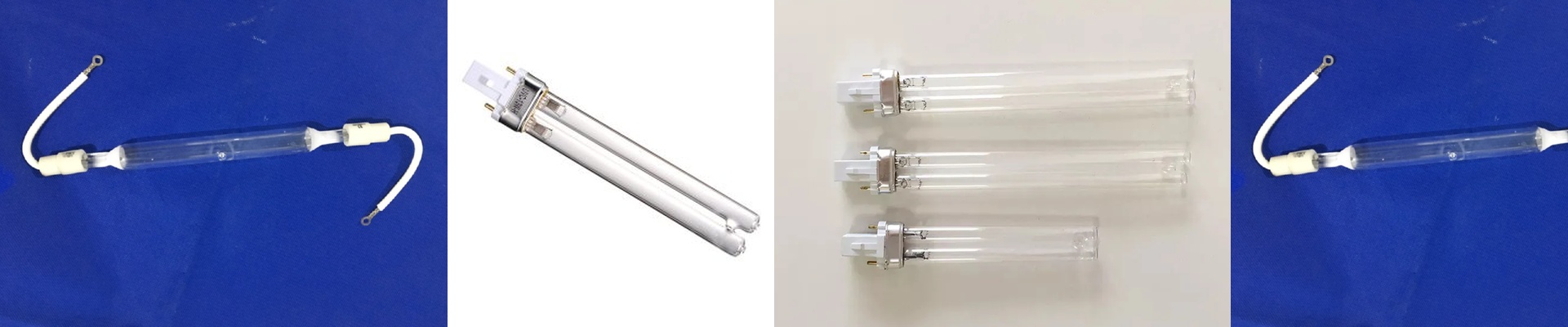
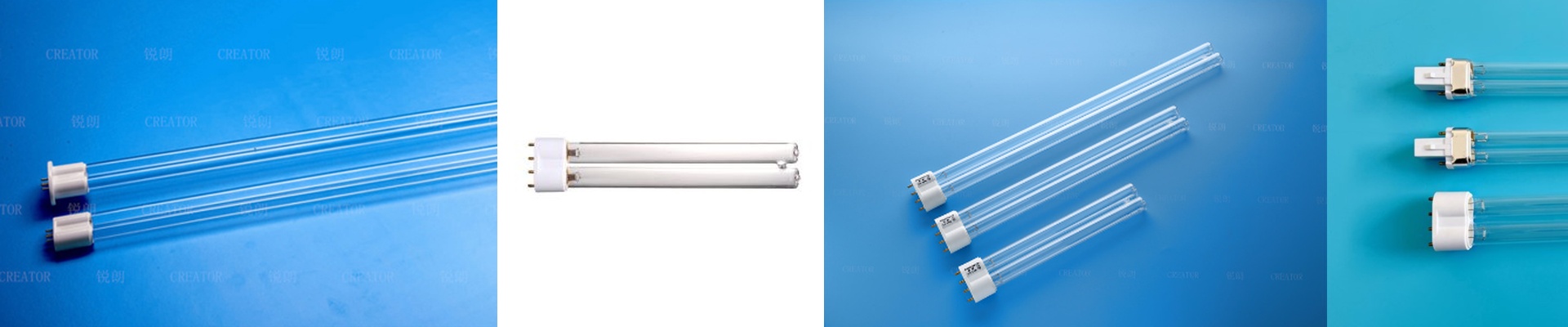
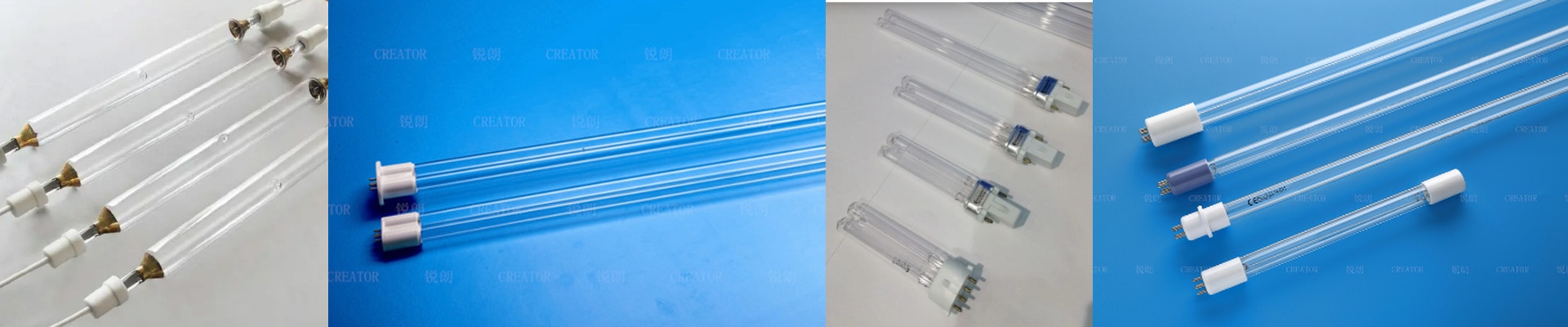
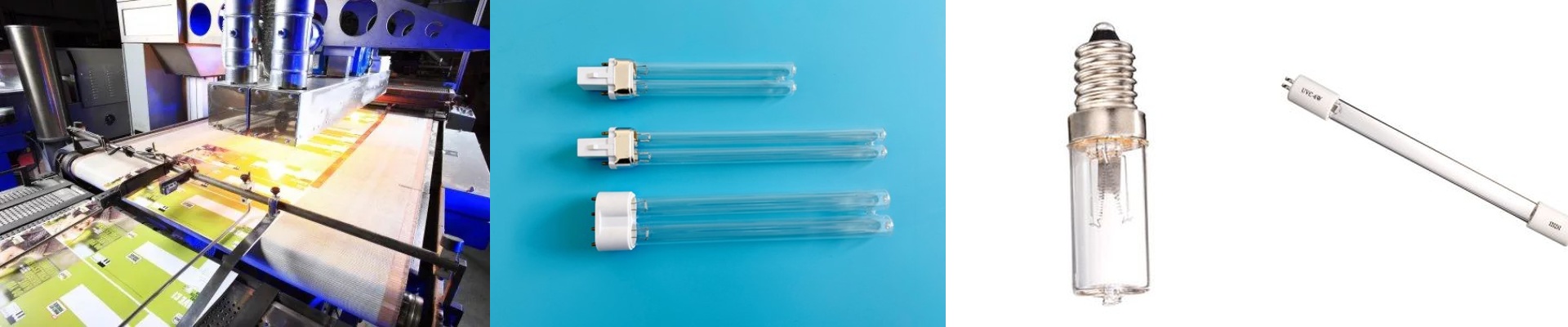
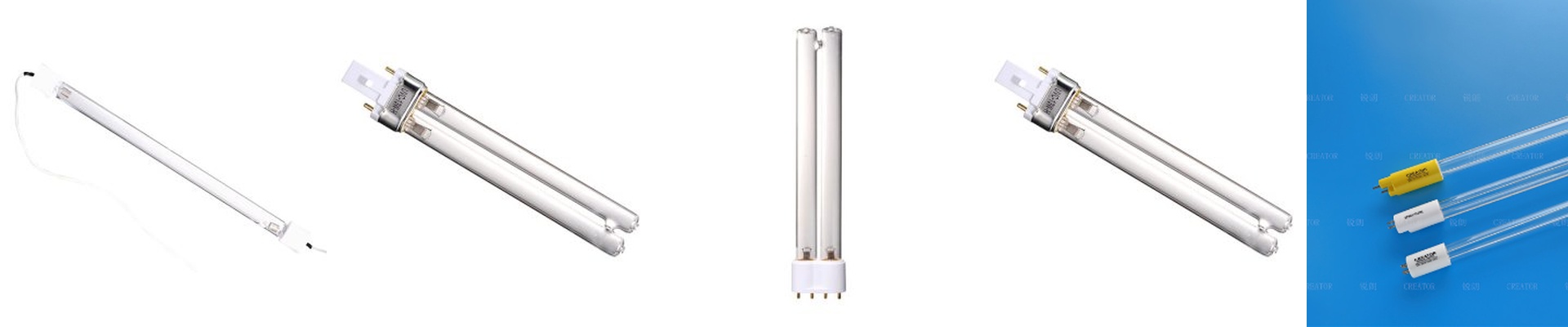
Out on the press floor, mismatched UV lamps don’t just burn power—they throw your cure profile off the rails. Drop in a replacement that doesn’t match the machine’s power curve, and you’ll see spectral output drift, peak irradiance dip, and photoinitiator response turn unpredictable. That’s how you end up with poor adhesion, residual tack, and scrap piling up. What actually matters under the hood Our replacement lamps for Fusion systems are built around electrical matching. We tune internal voltage and impedance to the specific Fusion power supply so the arc settles at the designed current and the lamp stays inside its rated envelope. The quartz arc tube is chosen to hold output steady across the spectrum you need—typically 365nm, 385nm, and 405nm—while reflector geometry and dichroic coating are dialed in to keep irradiance uniform across the substrate. We call out output in mJ/cm² and peak irradiance (W/cm²) so you can tie lamp performance directly to ink formulation and line speed. Here’s why that electrical tuning matters. It keeps the lamp from under-driving or over-driving the system. The payoff is repeatable cure energy pass after pass, which stabilizes cross-linking and cuts down shift-to-shift variability. You also use less energy because the lamp runs at its intended efficiency, and lamp life stretches out since the electrodes stay at the right temperature. In practice, that means fewer surprise stops, consistent print quality, and maintenance intervals you can actually plan around. A few things to keep straight before you swap a lamp in. Electrical customization needs accurate machine data—rated power, open-circuit voltage, and current limits. Double-check connector type and arc length so the lamp sits correctly in the reflector cavity. If you’re running in ozone-free mode, you may need venting or a dedicated ozone exhaust path. Always confirm spectral output and dose with a radiometer before you kick off production, and make sure the lamp start protocol matches the controller to avoid premature ignition cycles.