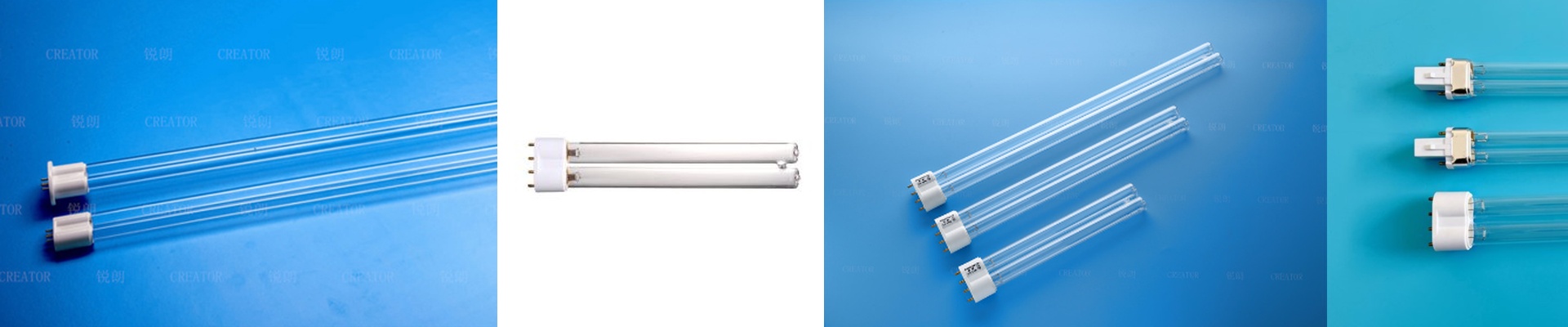
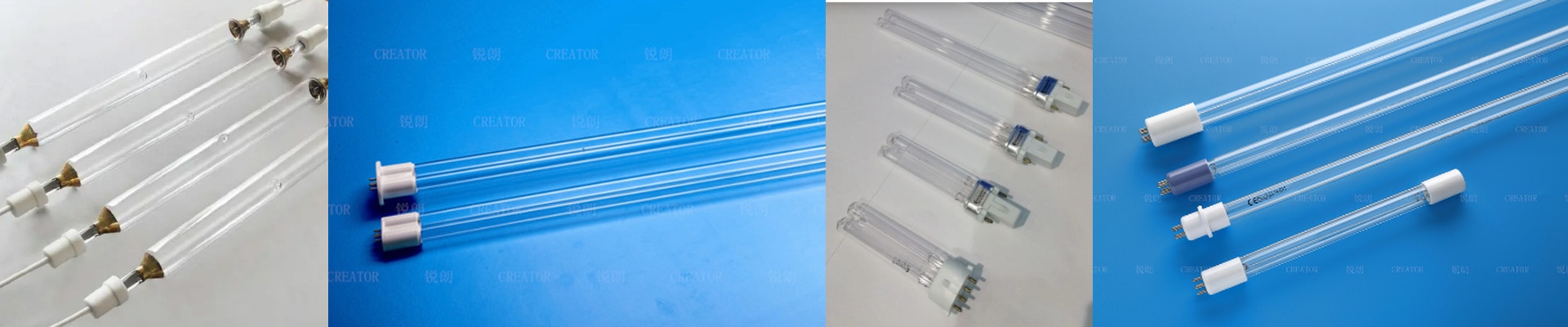
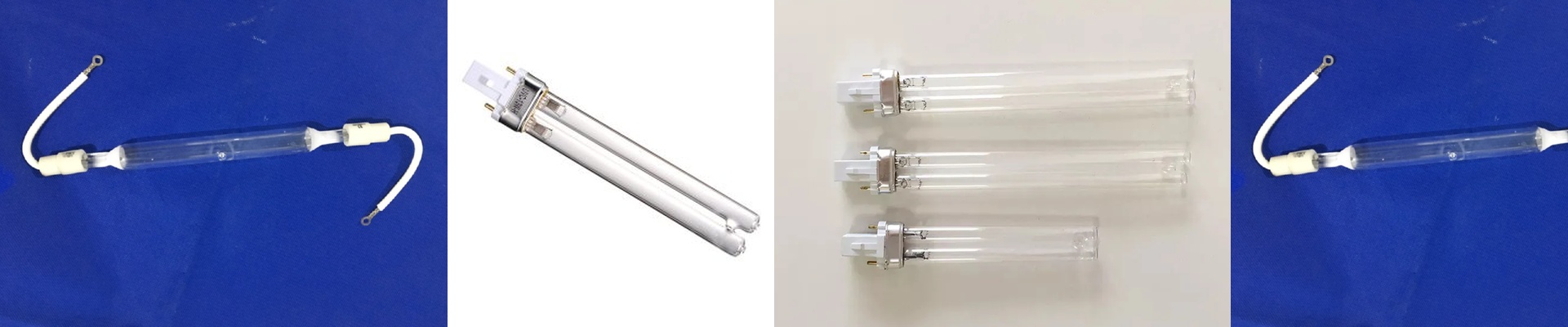
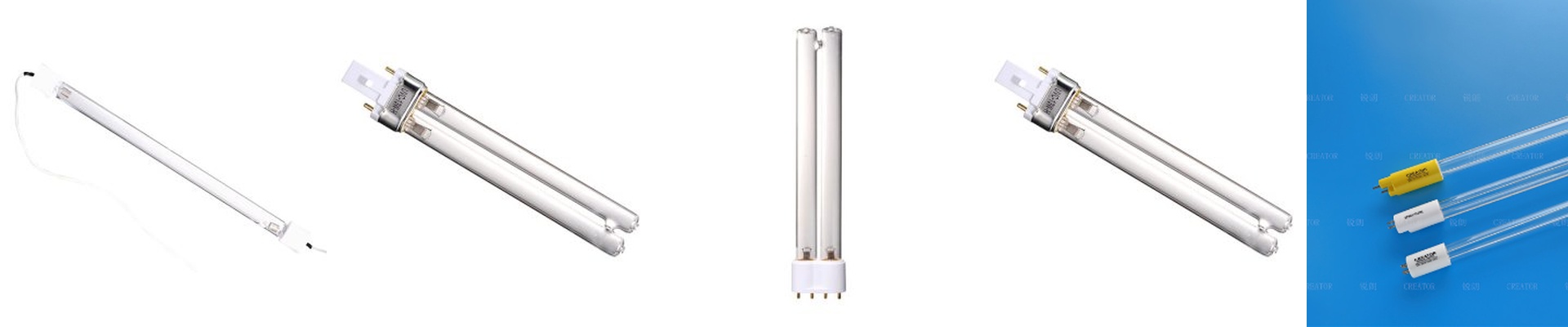
Home appliance makers are putting UVC right into dishwashers, shoe cabinets, and AC units. The expectation is simple: consistent disinfection, without the service headaches that come when lamps drift or die early. We build UVC germicidal modules to meet that reality on the line. What matters, technically We stick with low-pressure mercury vapor lamps, tuned to a stable 254 nm output for reliable microbial inactivation. The quartz sleeve and our proprietary dichroic coating keep spectral integrity intact and keep the module ozone-free. Across the batch, spectral consistency is tight, and peak irradiance holds within ±3% over the first 1,000 hours. Total output life tops 9,000 hours, with total decay under 15% by end-of-life. Every module gets burned-in and measured on a calibrated radiometer, so you get a traceable performance envelope—not a promise. Why this works in appliances Interiors are tight, and space is never on your side. We match the lamp, reflector geometry, and driver to your cavity volume and airflow. The payoff is predictable dose distribution, even in cramped chambers. You end up with faster cycles, lower energy draw, and fewer warranty returns. In AC units, the module drops into standard coil housings and delivers targeted irradiation without taking up extra footprint. In dishwashers and shoe cabinets, the same engineering keeps disinfection reliable cycle after cycle. Here are the realities to keep straight UVC is unforgiving about clean operating conditions. Keep the module dry, in a non-condensing environment—moisture chews up terminals and drags output down. Make sure the driver is compatible; constant current control is the clean way to keep irradiance steady over lamp life. Give us the cavity dimensions and airflow pattern, and we’ll set reflector angles and lamp position to avoid shadows. Expect a short warm-up before output stabilizes, and plan your control logic around that.