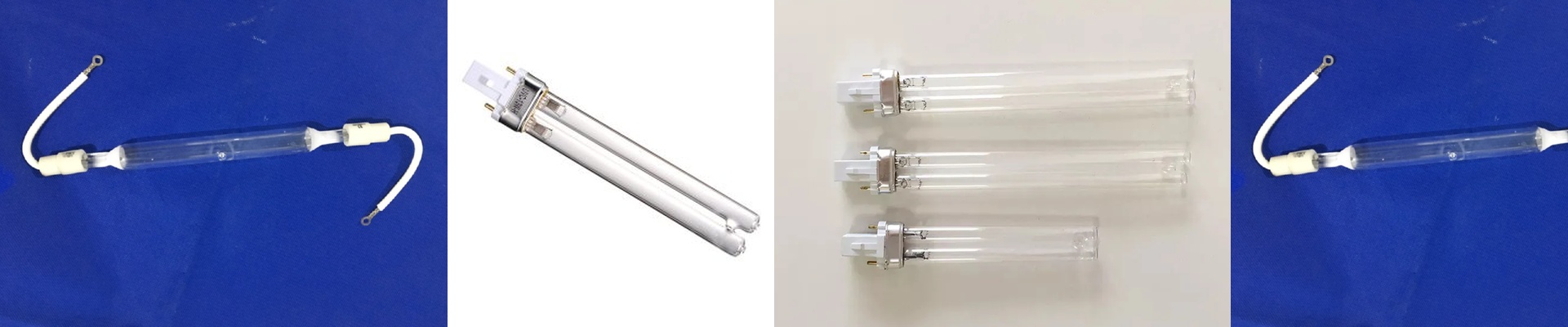
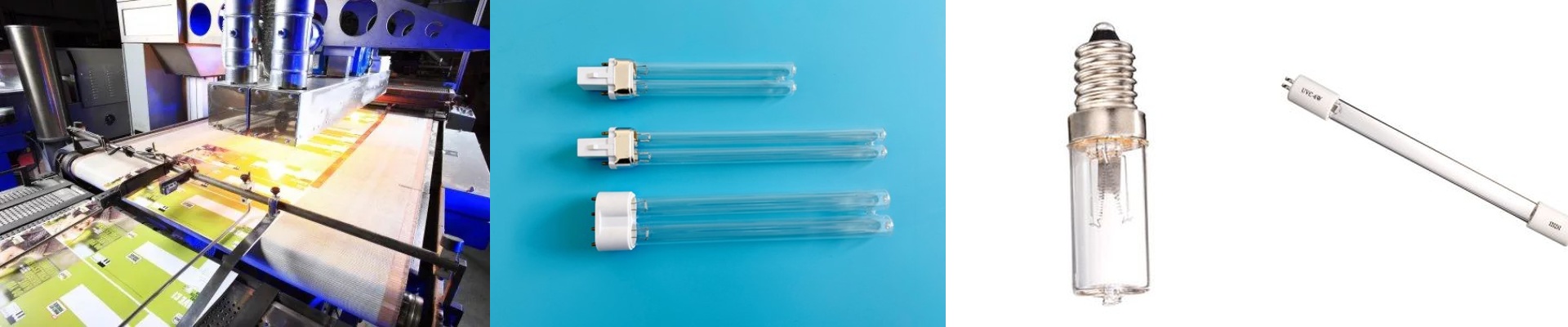
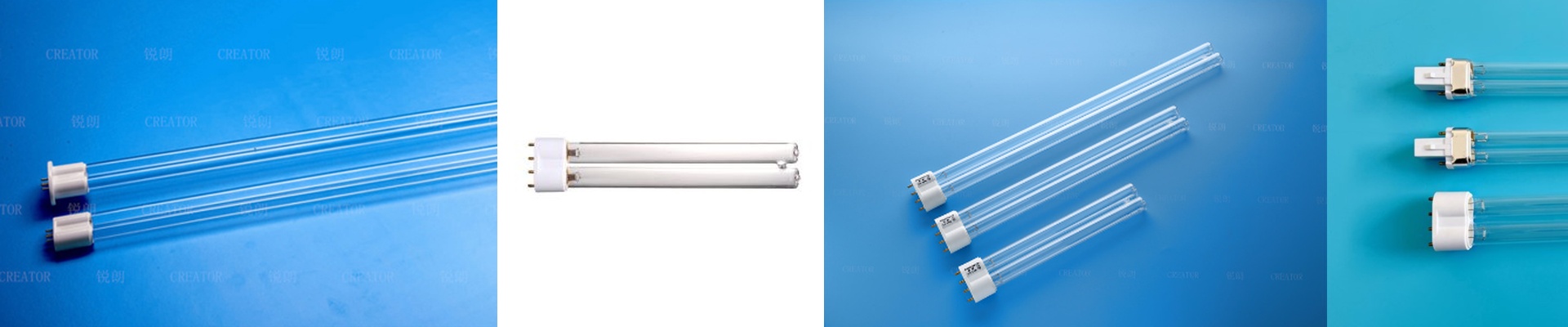
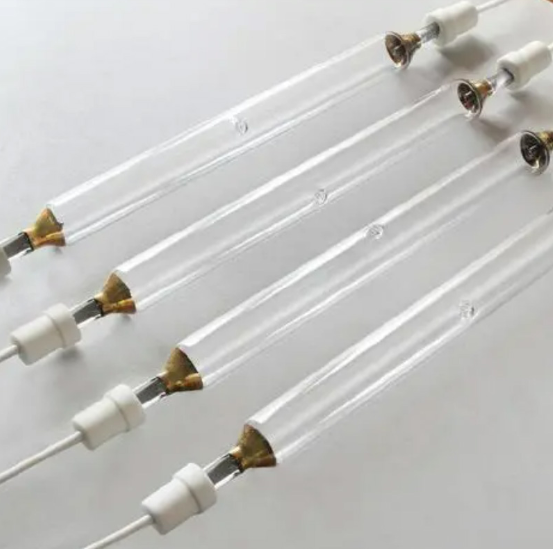
E-commerce demand hits hard and fast. You can’t wait for an oven to come up to temperature or for a slow cure window to open. On the floor, every minute lost to incomplete cross-linking turns into scrap, rework, and missed same-day shipments. More often than not, the bottleneck isn’t the press—it’s the energy actually getting into the ink. What matters, technically We built these high-pressure mercury vapor UV lamps around controlled spectral output. Peak output sits at 365 nm and across the 365–395 nm bands, right where the photoinitiators in UV flexo and UV screen inks absorb. Dichroic-coated reflectors shape the spectrum and push more usable irradiance onto the substrate, and the ozone-free quartz envelope keeps maintenance interruptions down. Spec-wise, output is ≥800 mJ/cm² at a 20 mm working distance, with peak irradiance ≥12 W/cm². Lamp life is rated to 2,000 hours, and output holds within ±5% across the service interval. Why this fits the way work moves Supply is flexible, so print runs shift and orders spike on short notice. The lamp is instant-on—no thermal ramp delay—and the spectral output stays stable, so cure performance repeats from the first sheet to the last. Operators can bump press speed without gambling on under-cure, which cuts reprints and keeps makeready tight. Energy draw is managed per arc length, so you can run the output you need for peak demand without paying standby losses. The details that keep you out of trouble Match the lamp output to the photoinitiator window and the substrate. On thin films, too much short-wave energy can lock the surface while the layers underneath stay tacky—verify the spectral balance with a radiometer. Installation has to be clean: reflector alignment must be exact, and the lamp-to-substrate distance has to be verified. Output drops as the lamp ages, so schedule radiometer checks every 500 hours to keep cure energy consistent.