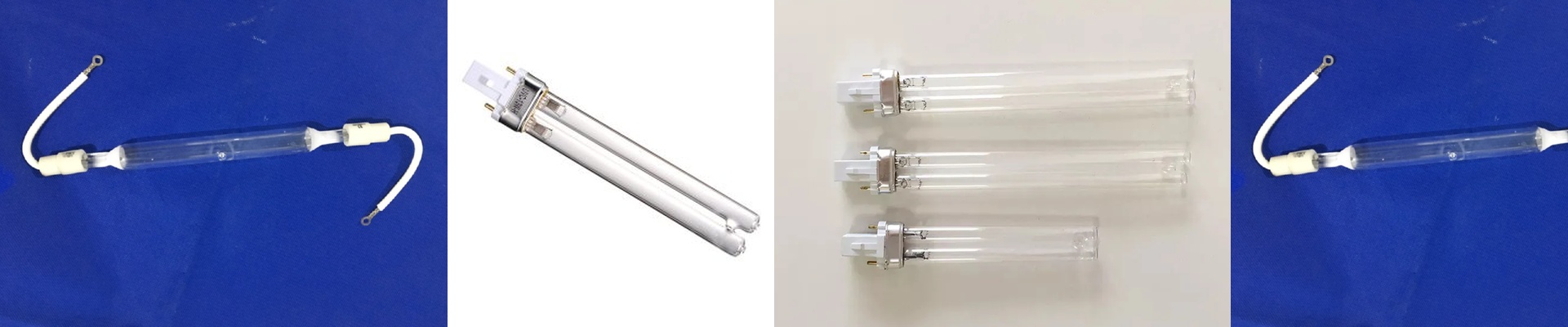

Stop Guessing When Your UV Bulbs Are Dying
For a long time, industrial mercury UV bulbs have basically been black boxes. You flip the switch, they do their thing—curing resin or sterilizing a surface—and you just hope for the best. Usually, you don’t even know there’s a problem until a bulb completely burns out or you realize your output has tanked. It’s a frustrating way to run a line. So, we decided to fix it by building remote energy monitoring right into the lamp architecture.
The slow fade
Here’s the thing about mercury vapor lamps: they don’t just quit cold turkey. They drift. As the electrode wears down and the mercury vapor pressure shifts, your UVC output starts to dip. The kicker? Your power bill stays exactly the same. You’re paying for full power but getting half the results. That’s where your efficiency just vanishes. By adding real-time telemetry, you can actually see the wattage and spectral output on a dashboard. No more guessing. You can stop playing the “is it still working?” game and just schedule your replacements based on what the data is actually telling you.
The gear that makes it work
You can’t just throw some software at this and call it a day. UV environments are brutal. It’s hot, it’s harsh, and it eats cheap electronics for breakfast. We use high-temperature current transformers and specific UV sensors that sit outside the quartz envelope to keep an eye on intensity. When you wire these into a PLC or a cloud gateway, you get a clear window into your power draw. Imagine having a bank of ten lamps. If one is pulling 15% more current than the rest, you’ve found your weak link. You can swap it out on your own terms before the whole line grinds to a halt.
The honest trade-offs
Now, this isn’t a magic wand. Adding this kind of intelligence adds some bulk to your setup. You can’t just pop these into an old socket; you’ll need to upgrade your ballast or add a monitoring module. And then there’s the maintenance. Sensors drift too. You’ll need to calibrate them every six months to make sure the numbers you’re seeing are actually true. But for the engineers in the trenches? It’s worth it. You get way less scrap, fewer headaches, and a crystal-clear map of exactly how much energy it costs to make every single unit that rolls off your line.