Getting the Most Out of Your 120W/cm Mercury UV Lamp
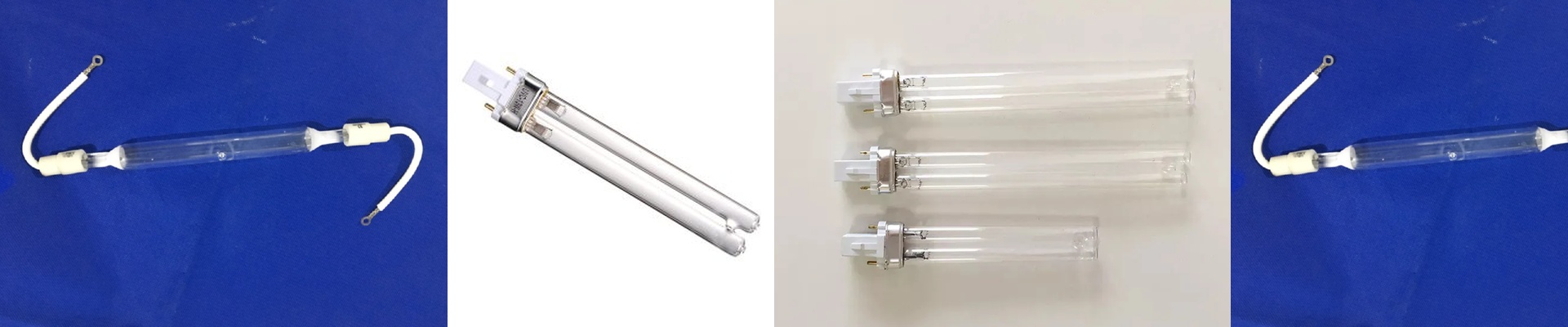
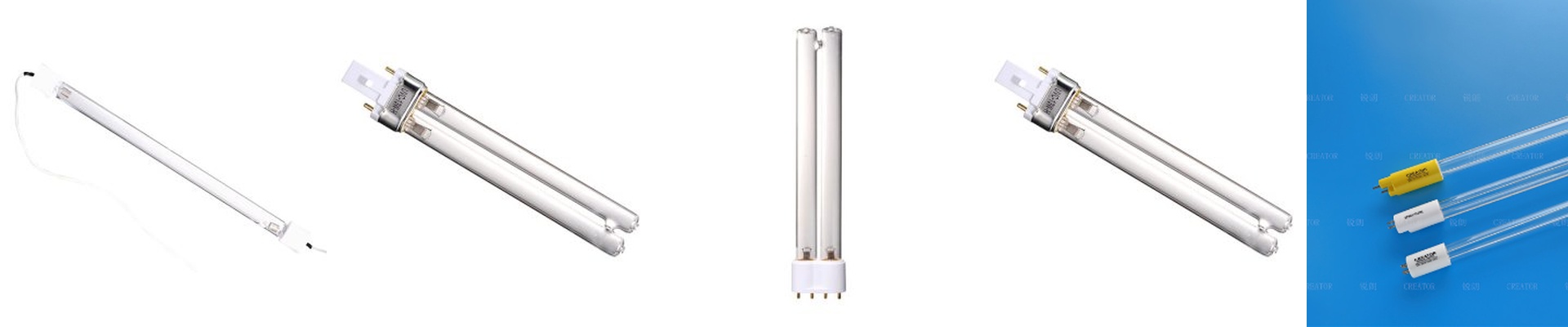
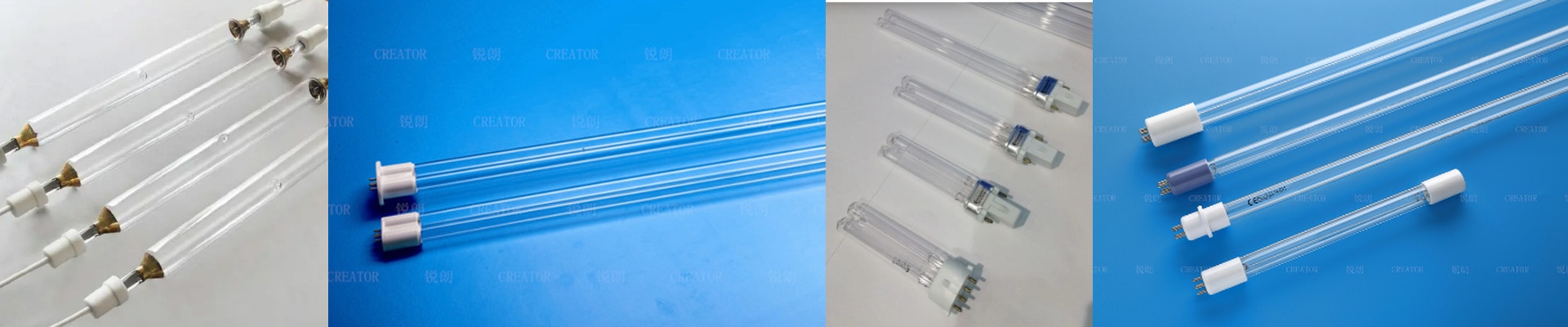
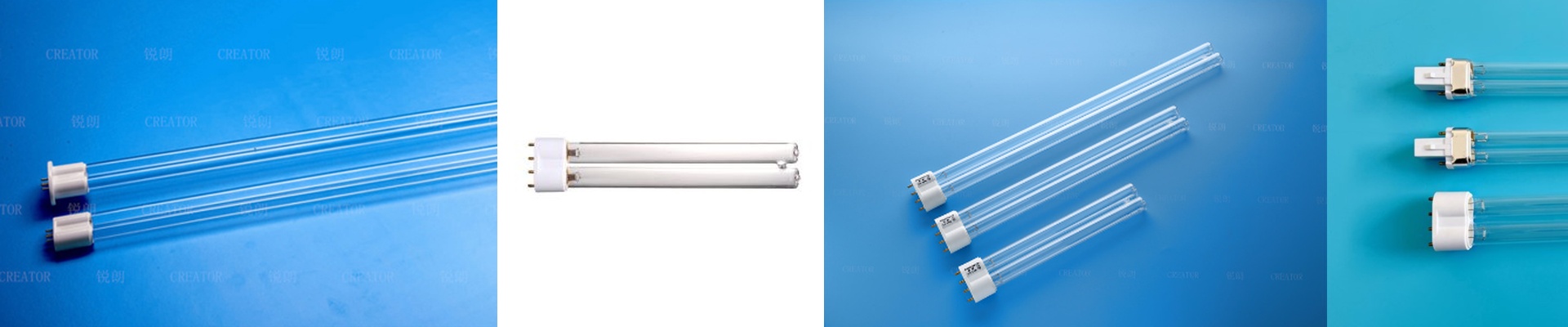
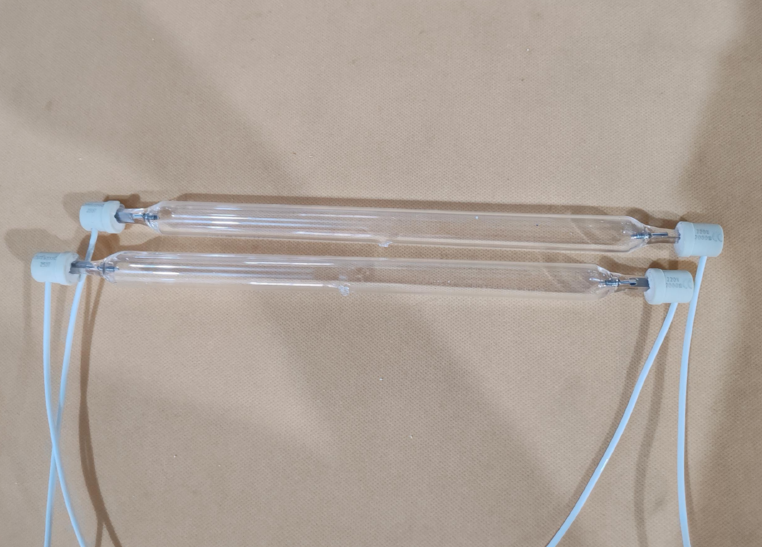
We built our standard mercury UV lamps to hit a sweet spot: 120W per centimeter. If you’re running industrial printing or coating lines, you know the drill. You need that ink to lock down instantly so you can keep the line moving without worrying about smudges or resins that just won’t set.
The Science (Simplified)
Here is the deal with power density. At 120W/cm, the UV light actually digs deep into the ink. It doesn’t just sit on the surface. We rely on mercury vapor because it hits those 254nm and 365nm marks—basically the gold standard for UV curing. To make sure that light actually reaches your product, we use high-purity quartz glass. Cheaper glass absorbs the energy; ours lets it fly right through. But a word of caution:watch your ballast. If you under-drive the lamp, you’ll run into “skinning.” That’s when the top looks dry, but the bottom is still tacky. Not a great look. On the flip side, push it too hard and you’ll burn the lamp out way sooner than you should.
Dealing with the Heat
Let’s be honest: 120W/cm gets hot. Like, really hot. That quartz envelope takes a beating every time you flip the switch. We designed these lamps to handle the constant expansion and contraction of starting and stopping, but you still have to do your part. You’ve got to get the heat away from the lamp. Whether you’re using forced air or water-cooled jackets, just make sure it’s working. If the glass overheats, the mercury pressure shifts, and your UV output just tanks.
Putting it to Work
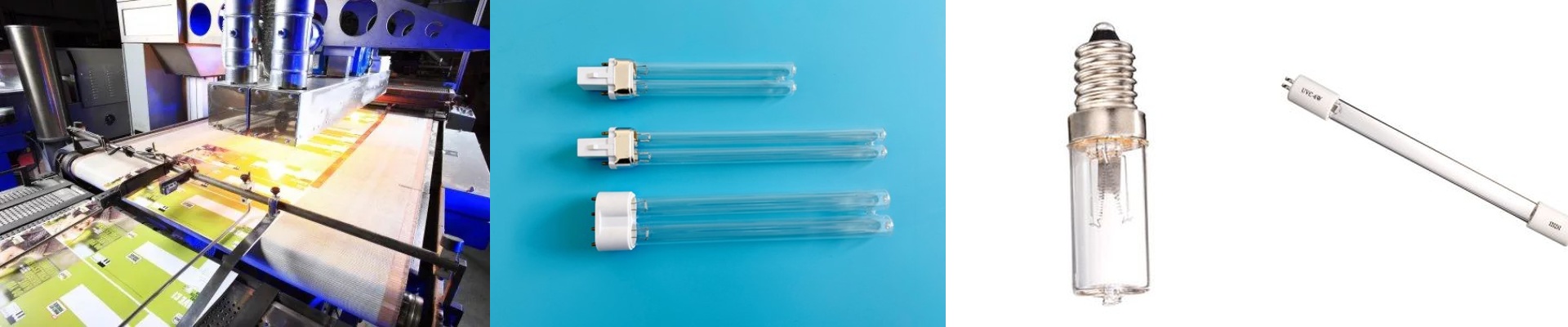
These lamps are the heavy lifters for curing inks on PET, BOPP, and paper. We’ve seen them swap out old-school drying tunnels in offset and flexographic presses, which saves a ton of floor space. It’s usually a pretty simple swap. Just double-check your connector footprints and wattage ratings before you wire everything up, and you should be good to go.