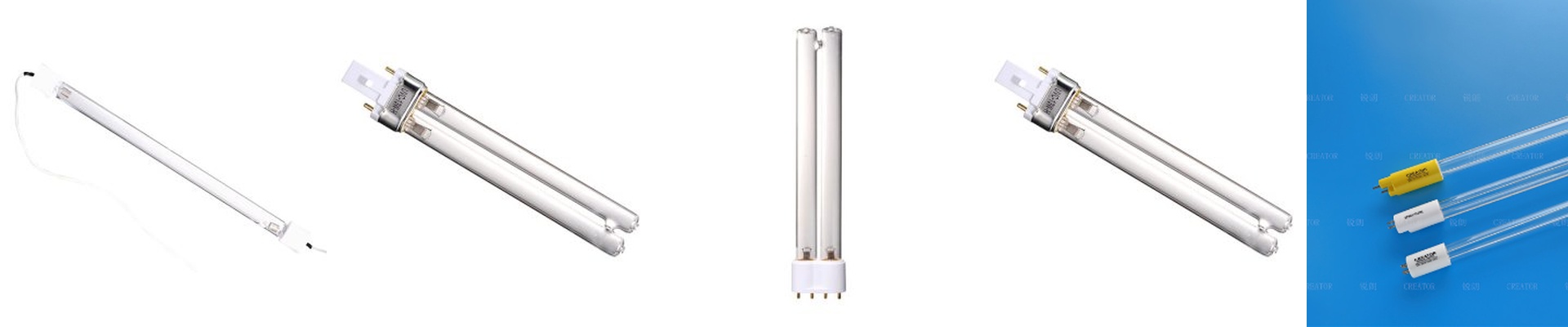
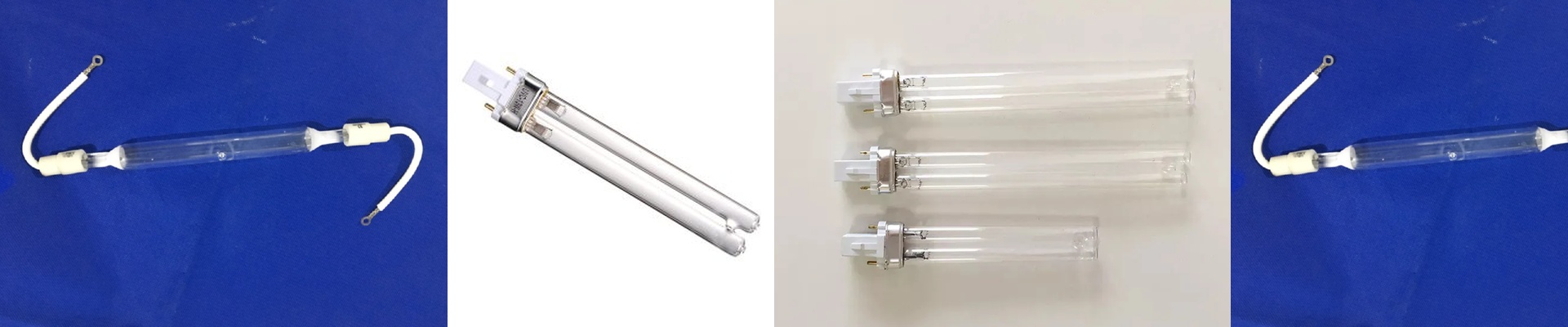
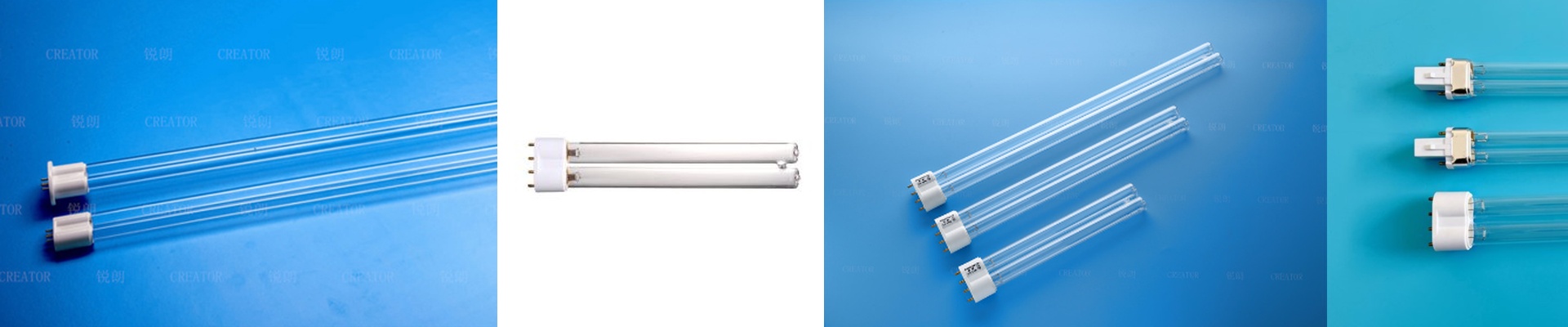
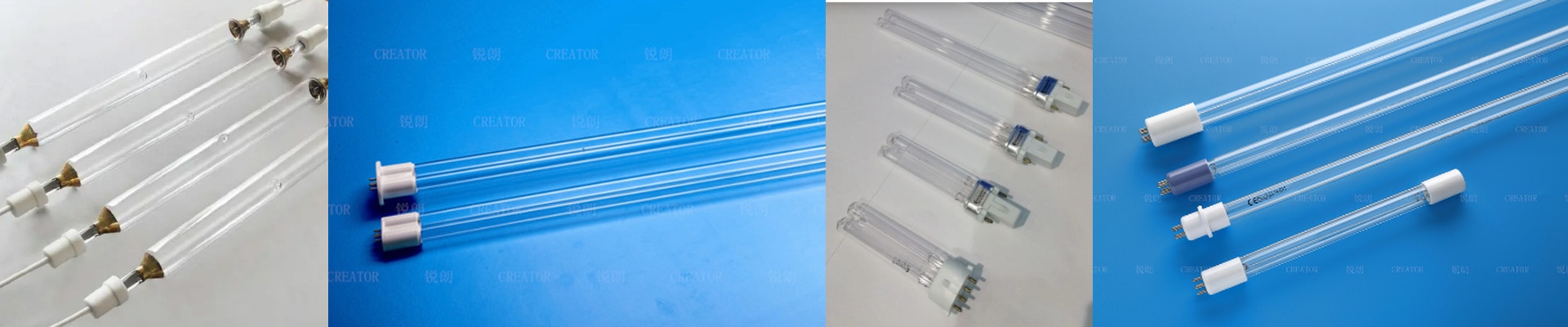
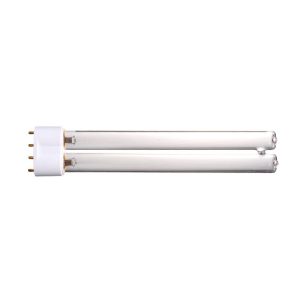
The Real Deal on Mercury UV Bulbs
I’ve spent time in about 3,000 different printing plants. If there’s one thing I’ve learned, it’s that what looks good on a spec sheet rarely matches what actually happens on the shop floor. Most of the time, when a mercury UV bulb fails, people blame the glass. But here’s the thing: it’s usually because the design forgot that high-speed presses get incredibly hot.
How the magic actually happens
Basically, these bulbs use a mercury discharge to get the ink to harden. We keep a close eye on the 254nm and 365nm peaks. Think of these as the “sweet spots” that punch through the ink to get the job done. If your wattage is too low, you’re left with tacky ink that sticks to everything. But if you crank it too high? You’ll end up scorching your material. It’s a delicate balance.
The heat struggle
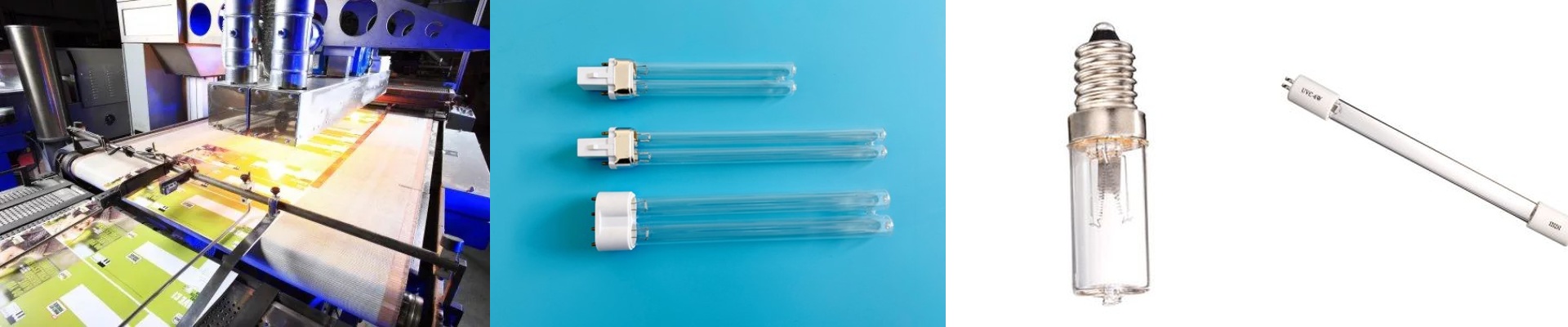
We pick the wattage based on how fast your conveyor is moving. More power means you can run the line faster. Simple, right? Not exactly. High-output bulbs throw off a massive amount of infrared heat. If your cooling blowers aren’t moving enough air, that quartz tube is going to stress out and eventually crack. That’s why we use high-purity fused quartz. It handles those wild temperature swings without warping.
Getting it installed and keeping it alive
We make these “drop-in” replacements because nobody wants their press sitting idle for hours. We’ve positioned the electrodes carefully so the arc stays consistent across the whole tube. Now, keep in mind that UV output will dip as the mercury moves around and the electrodes wear down. Usually, this happens between 1,000 and 2,000 hours. That’s just the nature of the beast. One last tip: check your ballast. If the impedance doesn’t match the lamp, you’re asking for trouble. You’ll either starve the lamp of power or overdrive it, which basically kills the tube in half the time it should last.