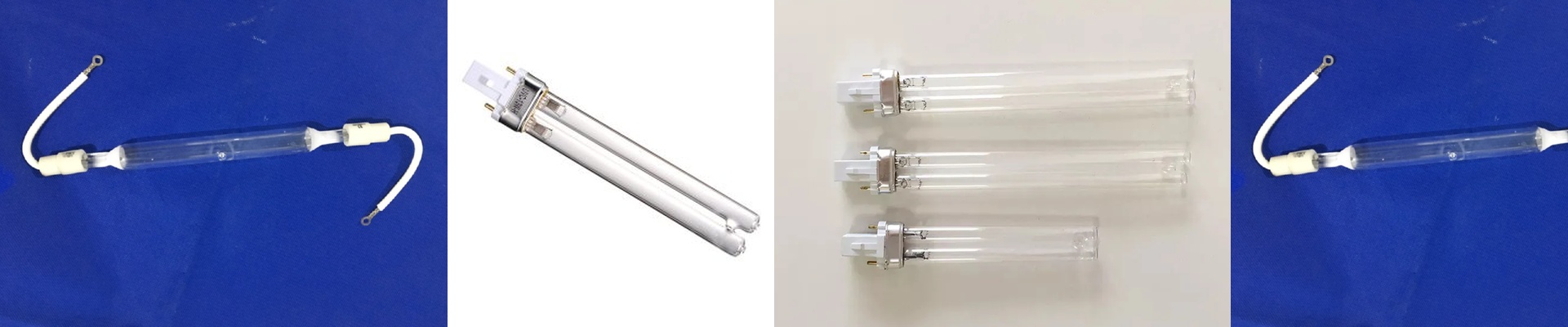
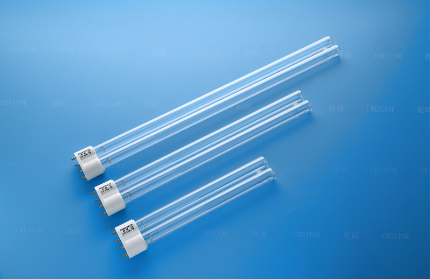
Let’s Talk About Mercury UV Bulbs
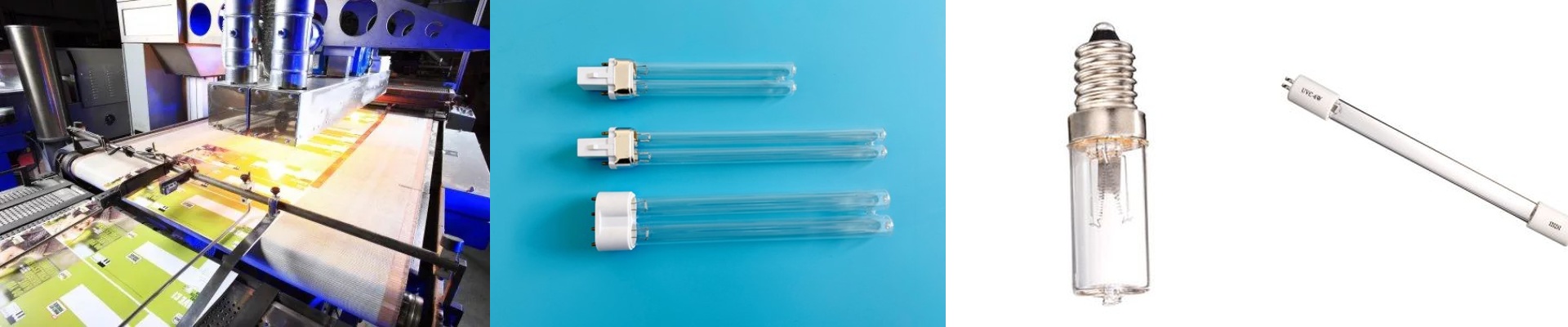
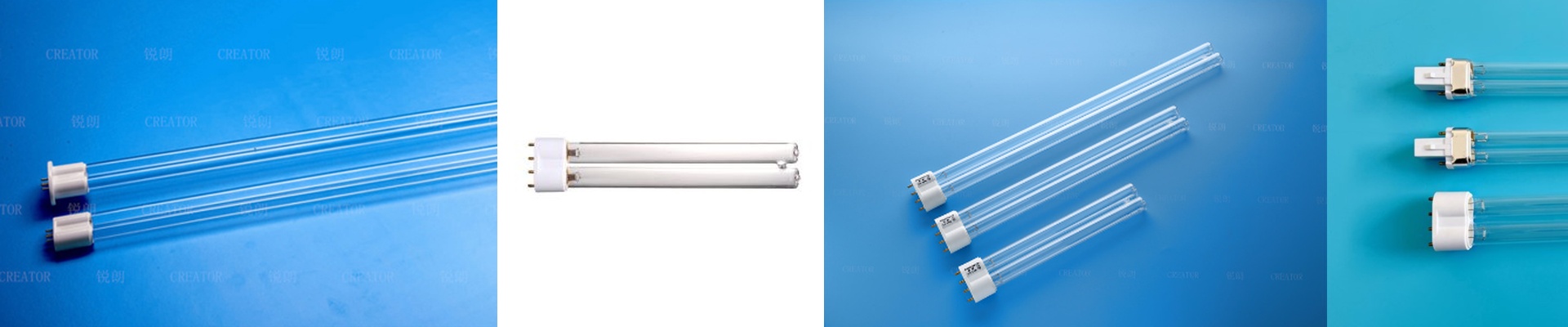
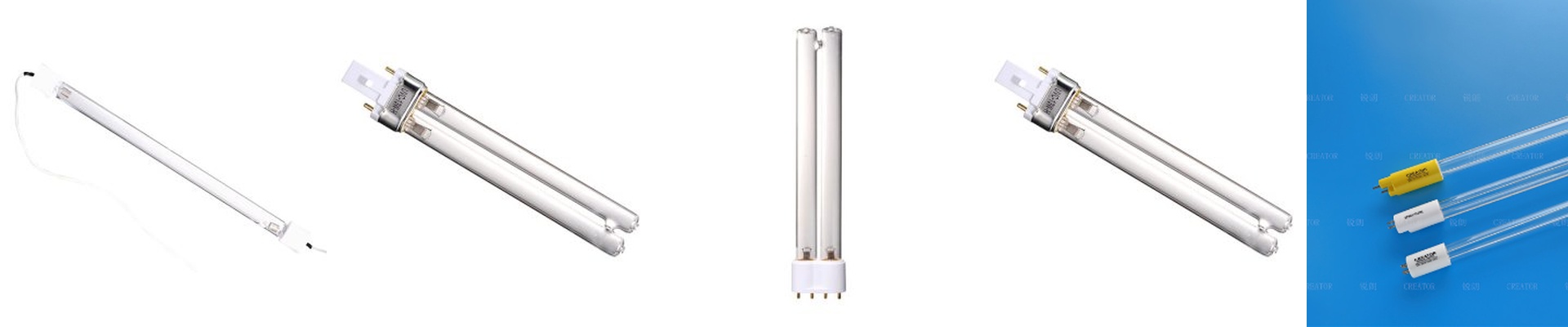
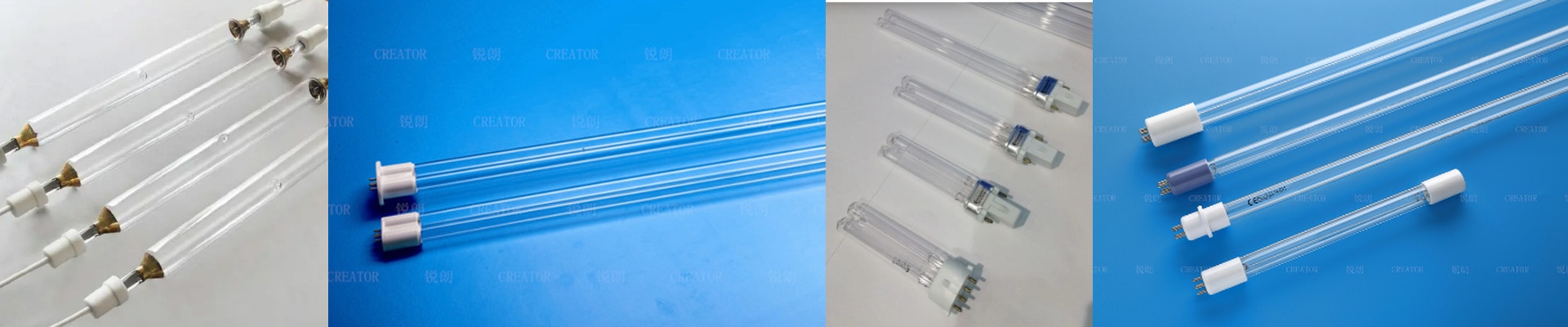
Mercury UV lamps are basically the heavy lifters of the printing and coating world. They work by sending an electrical arc through mercury vapor, which kicks off a broad spectrum of UV radiation. That’s what actually makes your inks and coatings harden. But look, we don’t just ship these out as generic spare parts. That’s a recipe for disaster. We help you pick the right one based on how fast your line is moving and the specific chemistry of your ink.
Power, Heat, and the Balancing Act
It all comes down to the tug-of-war between wattage and voltage. If you’re running a fast web, you need high-wattage tubes to get that intensity. The catch? It puts a massive strain on your ballast. And if you’re pushing for more heat to cure a thick layer of ink, you’ve got to make sure your cooling system can actually handle the infrared heat coming off the bulb. If your airflow is weak or your water cooling is lagging, that quartz envelope is going to overheat. Then it burns out. Simple as that.
The Glass and the “Dark Spot” Problem
We use high-purity fused quartz for the outer shell. Why? Because it lets those shortwave UV rays pass right through instead of soaking them up into the glass. Inside, the mercury plasma does the heavy lifting. Now, depending on what you’re printing, you might need a “doped” bulb to shift the light spectrum. Most of the time, a standard bulb fits right in, but the fit has to beperfect. I’ve seen it happen a dozen times: the bulb is off by just a few millimeters in the reflector, and suddenly you’ve got “dark spots” on your product. That means uncured ink. That means wasted material.
Keeping Things Running
This is where things usually go sideways for the engineers. First, make sure your connectors are spotless and snapped in tight. If they’re loose, you’ll get arcing, and nobody wants that. Also, please—keep an eye on your hour-meter. These lamps don’t just stop working one day; they fade. The output drops slowly until, one morning, your cure rate fails. Don’t wait until the ink starts smudging to realize you have a problem. Just replace the tubes when they hit their rated lifespan. It’s the only way to keep your production from turning into a headache.