Getting Your Textile Curing Right: The Truth About Quartz UV Tubes
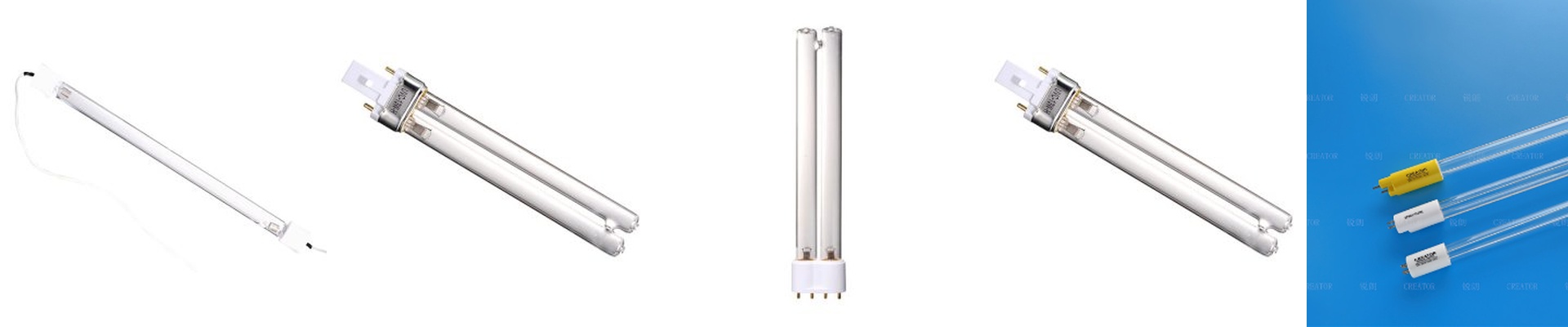
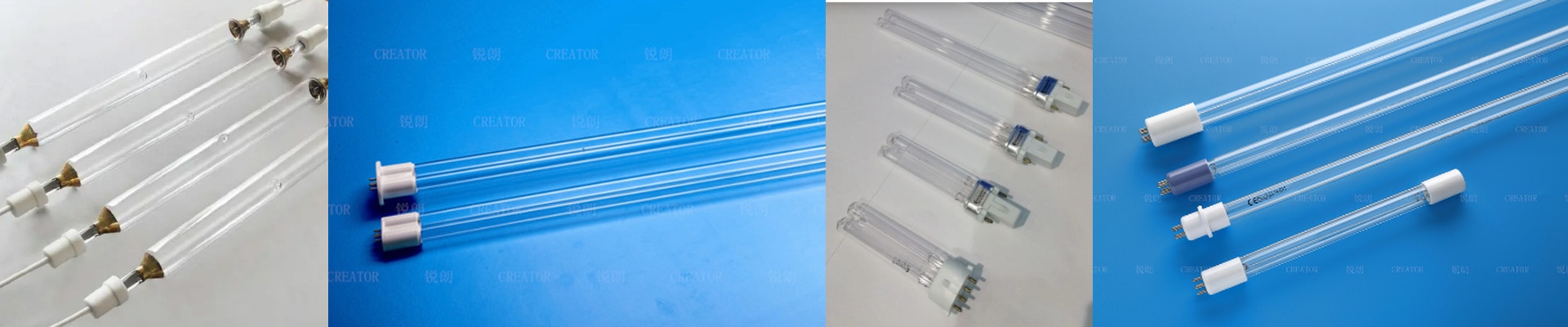
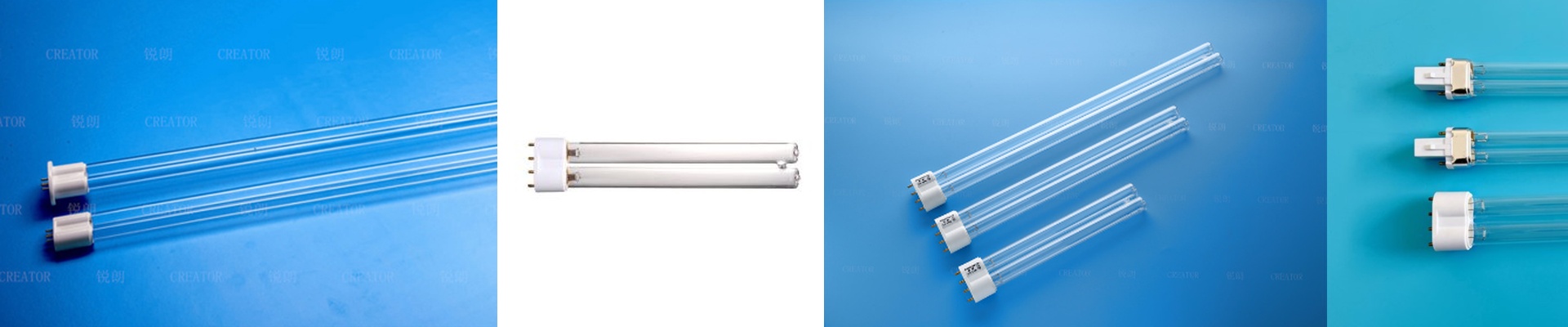
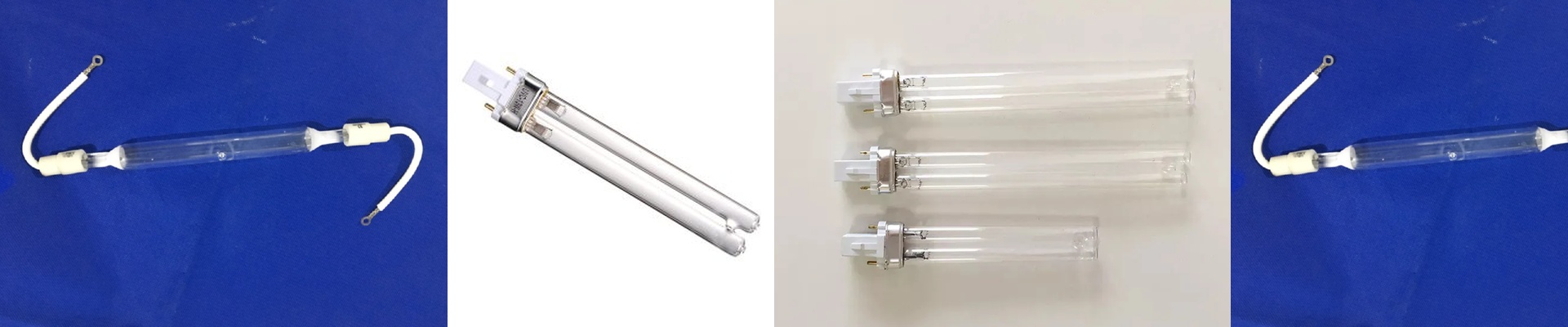
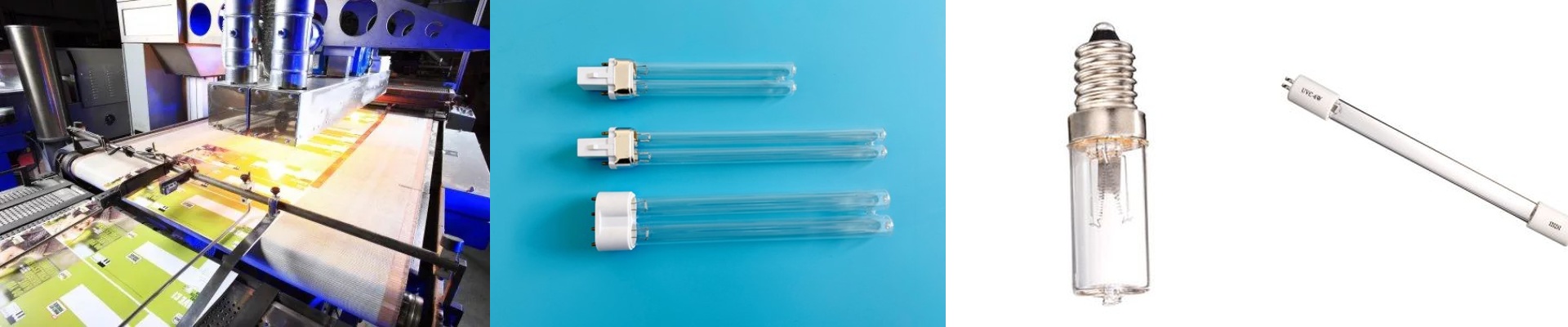
If you’re running an industrial printing line, you know the struggle. You need your inks and dyes to snap onto the fabric instantly, but you can’t exactly blast them with heat or you’ll end up scorching the material. That’s where our quartz UV lamp tubes come in. These aren’t your run-of-the-mill light bulbs. We build them specifically to handle that high-intensity output without ruining your fabric. Why we stick with high-purity quartz Here’s the thing: standard glass just doesn’t cut it. It blocks the shortwave UV and, honestly, it would probably crack the moment you hit it with high-wattage thermal stress. By using fused quartz, we let the UV radiation pass through almost untouched. It keeps the gas fill stable and ensures the arc doesn’t wander around. For you, that means a consistent dose of UV across the entire width of your fabric. No weak spots. No surprises. The tug-of-war between power and heat When you’re looking at wholesale options, it usually comes down to wattage versus tube diameter. Higher wattage is great because it speeds up the curing process. You can crank up your conveyor belts and get more product out the door. But there’s a catch. High-power tubes put out a lot of infrared heat. If your cooling blowers can’t keep up, you’re asking for trouble. You might see the fabric warp or the ink bleed before it even has a chance to set. Just make sure your machine’s cooling system can actually handle the wattage you’re picking. Making it work on the floor Think of these lamps as the final quality check for your print. They trigger the polymerization that locks the pigment deep into the fibers. We designed these to be drop-in replacements for most standard curing racks. You can swap them out during your scheduled downtime without having to rip out your wiring or call in an electrician to redo the whole power supply. It’s simple. One last tip: be careful during installation. A single fingerprint or a smudge of oil on the quartz surface creates a “hot spot.” That’s a one-way ticket to a premature burnout. Give them a quick wipe with some isopropyl alcohol before you wire them up, and you’ll be good to go.