Getting UV Curing Right on a Fast-Moving Line
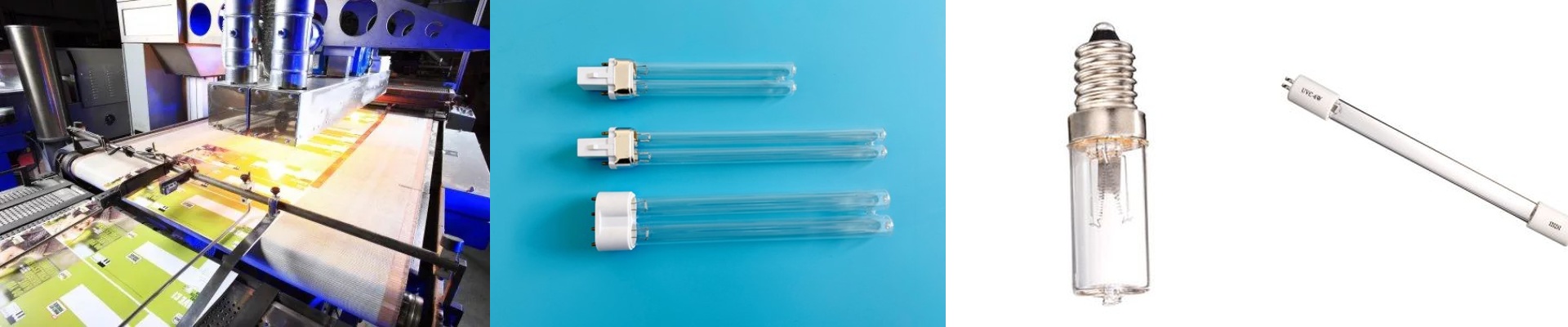
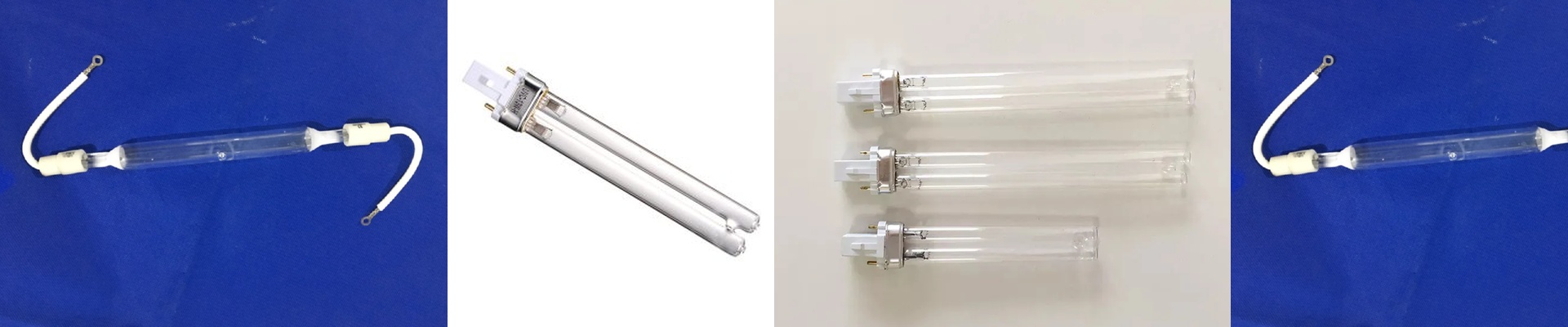
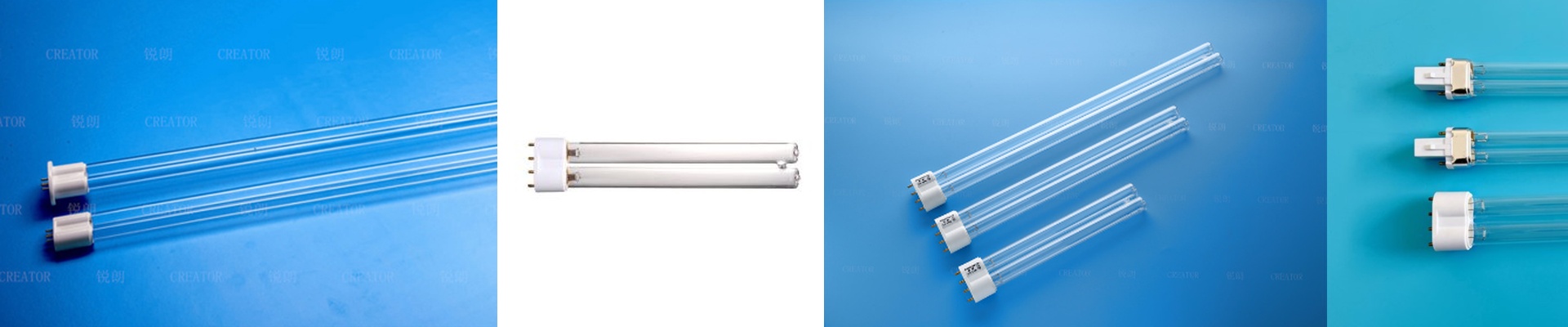
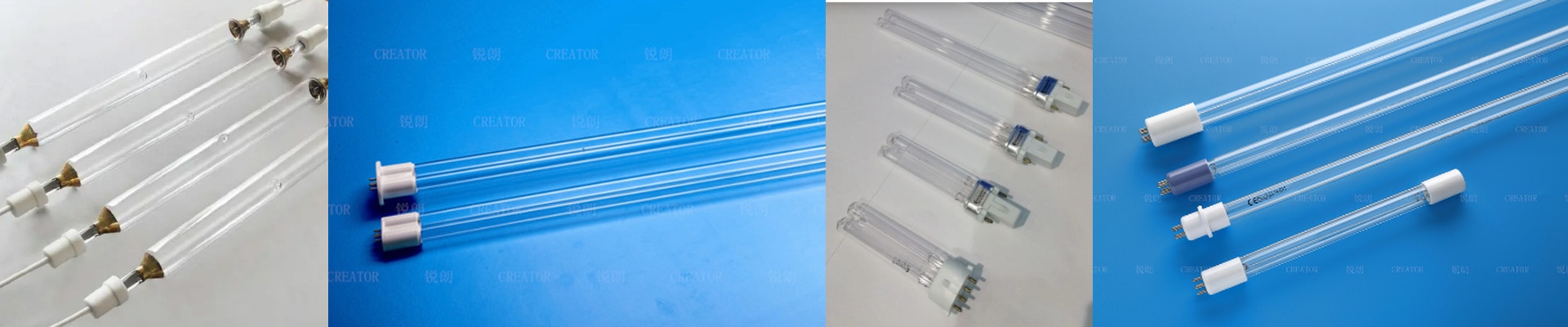
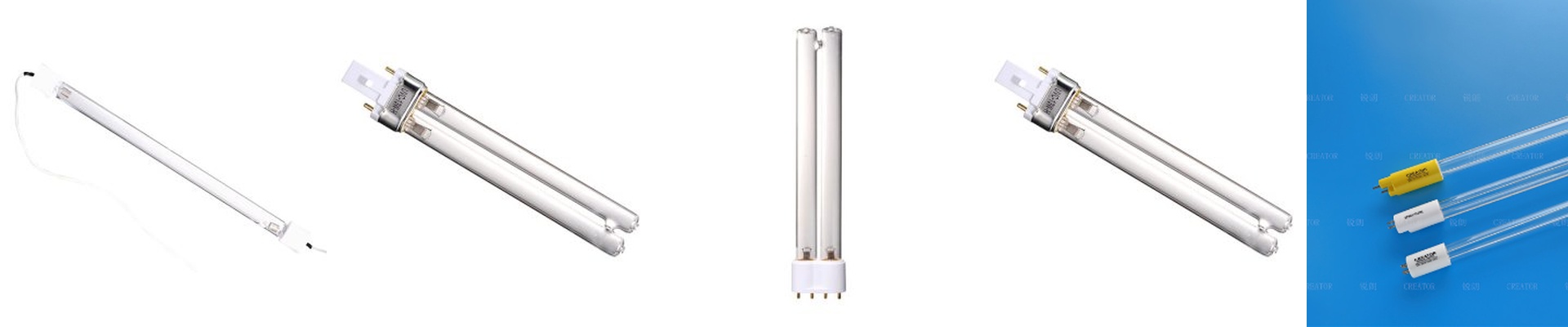
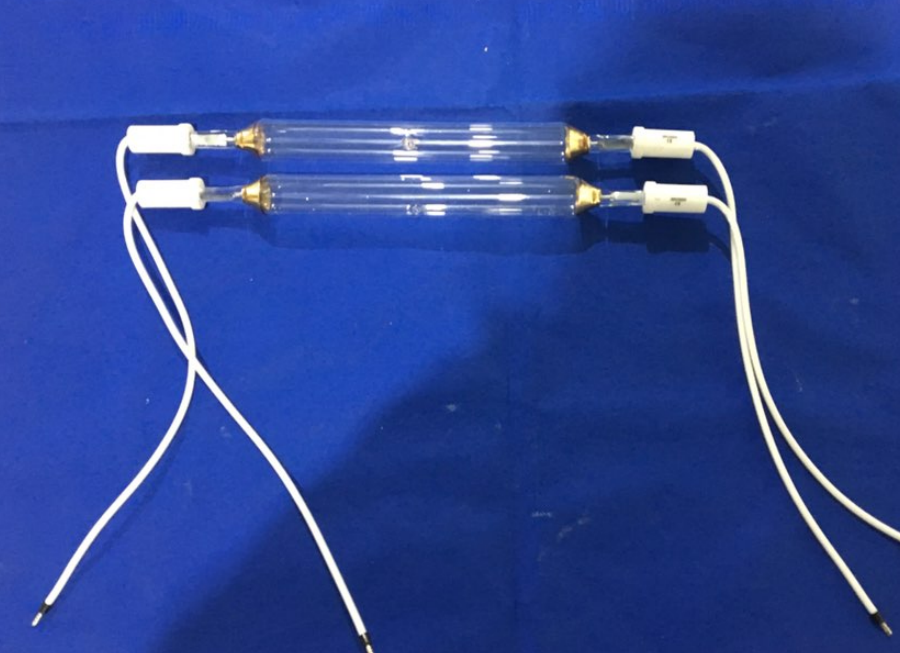
Most people see UV lamps as just light bulbs. But if you’ve ever run a high-speed automation line, you know they’re more like the heartbeat of the whole operation. For 15 years, we’ve lived in that frustrating gap between “off-the-shelf” UV tubes and the actual, gritty precision you need when your conveyor is screaming along. The fight against “tacky” surfaces Here’s the thing: when your parts are flying by, you can’t afford a “maybe” cure. You need that light to hit hard and fast. We obsess over the spectral peak. Why? Because if the wattage dips or the wavelength drifts even a little, your ink stays tacky. That means rejected parts. That means wasted money. But we also have to be careful. Too much raw power in one spot and you’ll warp your plastic substrates. It’s a delicate balance—hitting the photoinitiators instantly without melting the product. Quartz and the heat battle We use high-purity fused quartz for the envelopes. Standard glass just eats UV light, but quartz lets it fly. These tubes take a beating. They go from cold to blistering hot in seconds, over and over. We spent a long time perfecting the seal between the electrodes and the quartz. If that seal fails, gas leaks out, and your lamp dies way before it should. And let’s talk about the heat. A high-output lamp throws off a massive amount of infrared energy. If your fans or water jackets aren’t up to the task, your lamp life is going to plummet. It’s as simple as that. Actually fitting into your setup There is nothing worse than a “universal” part that doesn’t actually fit. We build these to be true drop-in replacements. Whether you’re dealing with standard pin-bases or something custom, the footprint has to be spot on. If the reflector is off by just a millimeter, you’re throwing away 20% of your light. That’s a huge waste. We keep our tolerances tight so you can just wire it up and get back to your target line speed without having to spend all day recalibrating the tunnel.