Getting Your Textile Curing Right with Gallium Iodide Lamps
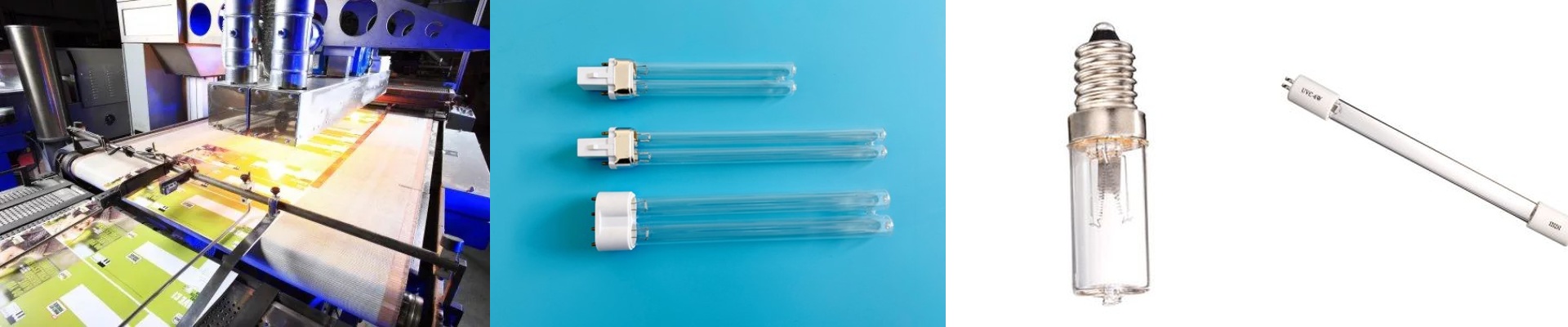
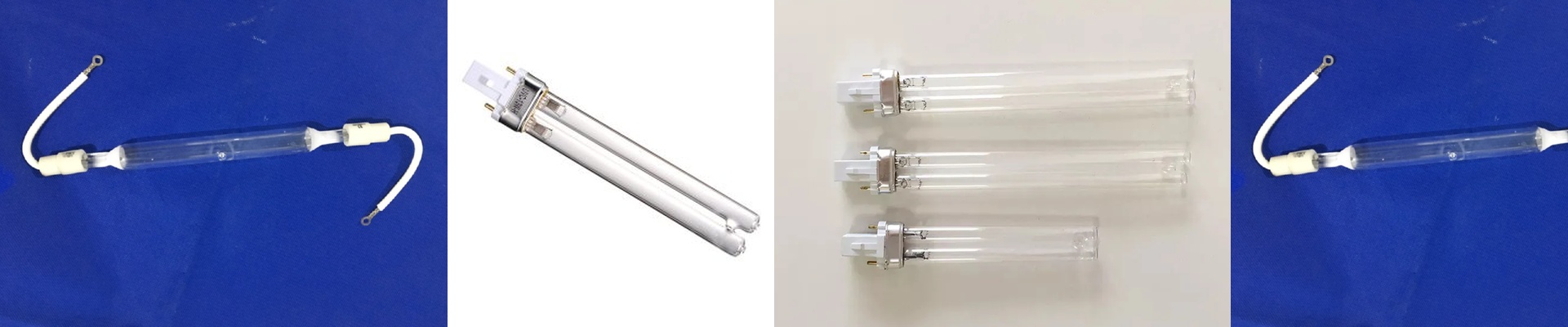
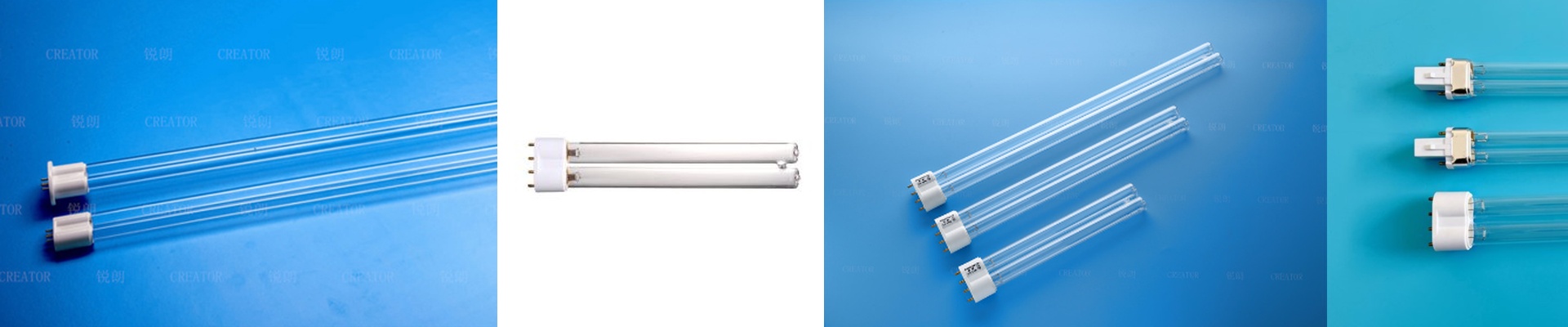
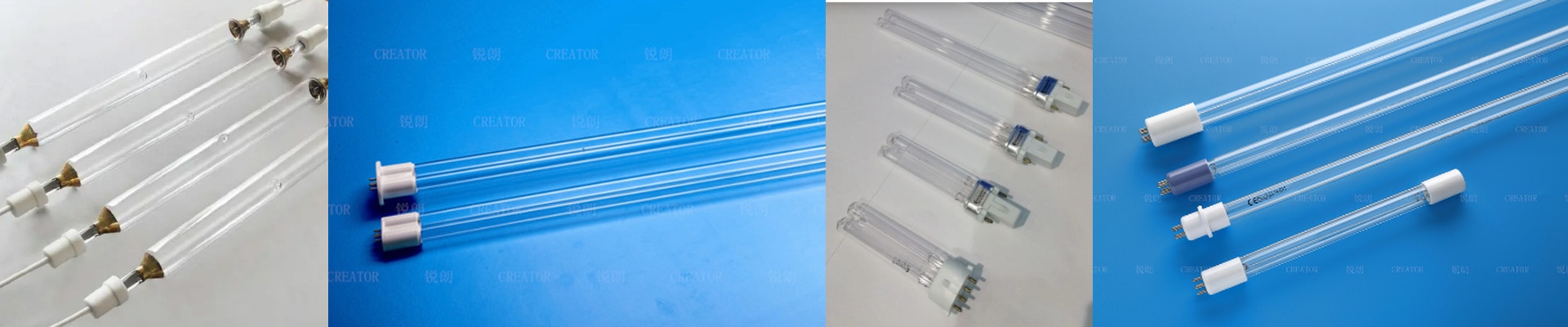
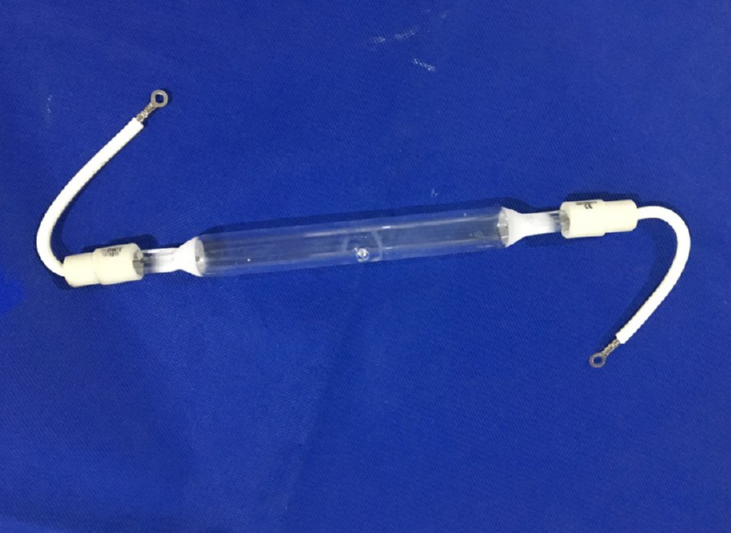
If you’re running high-speed textile printing lines, you know the struggle. You’ve got thick ink layers or specialty pigments that just won’t set, or worse—they start to yellow and burn because your UV lamps are too aggressive. That’s why we build custom Gallium Iodide (GaI) lamps. Here’s the deal: standard mercury lamps often hit the fabric too hard on the short end of the spectrum. Our GaI lamps shift that energy. We move the focus toward the longer UV wavelengths (the 300nm to 400nm range), which is exactly where most textile photoinitiators actually wake up and start working. The result? The UV light actually sinks into the weave. It doesn’t just bake the surface; it reaches all the way down to the substrate so the ink is locked in tight. But there’s a catch: Heat. To get that instant cure at high conveyor speeds, you need a lot of power. And a lot of power means things get hot. Fast. If your exhaust hoods aren’t pulling that heat away quickly enough, you’re going to have a bad time. We’ve seen it happen—the fabric warps or the ink starts bubbling before it even has a chance to set. Make sure your cooling is up to the task before you crank these up. Fitting them in The good news is that these are pretty easy to swap in. They’re designed to fit right into your existing UV arrays. We use reinforced end-caps so you don’t have to worry about gas leaks, even when you’re pushing the equipment hard. As long as your ballast voltage matches the tube’s strike requirements, you’re good to go. One last thing to keep in mind: these aren’t “set it and forget it” bulbs. When you run these at peak intensity to keep your line moving, the electrodes take a beating. You’ll notice the lamp life is shorter than those low-output bulbs. To keep your curing consistent across the whole web, we suggest swapping them out every 1,000 to 2,000 hours. It’s a small price to pay for a finish that actually looks professional.