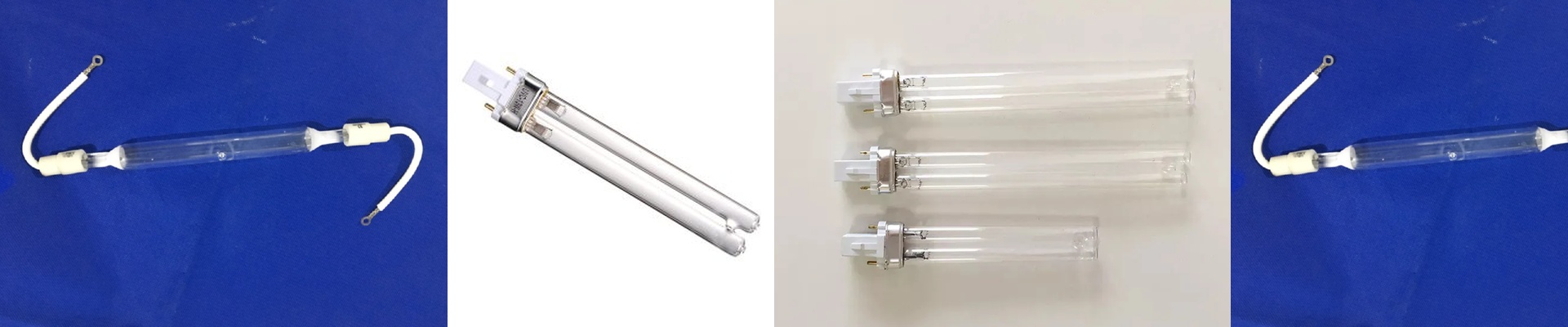
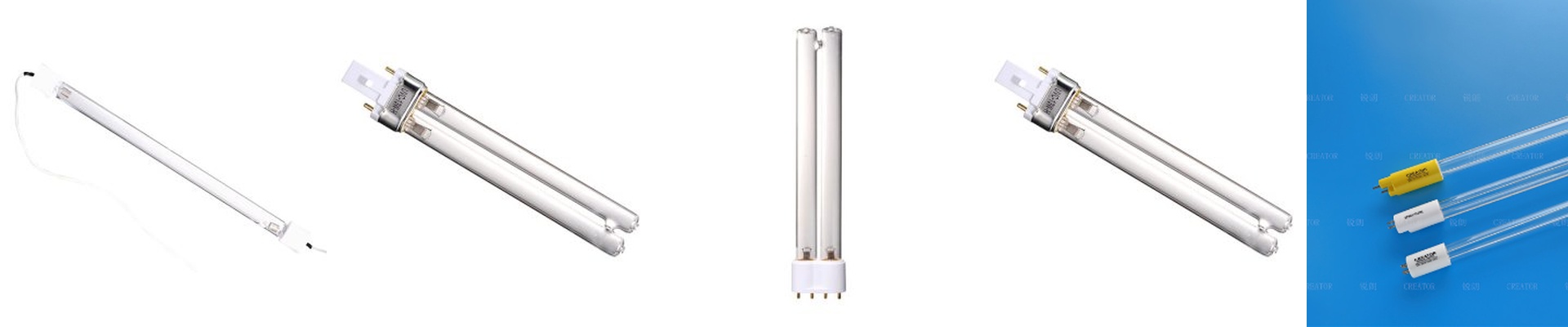
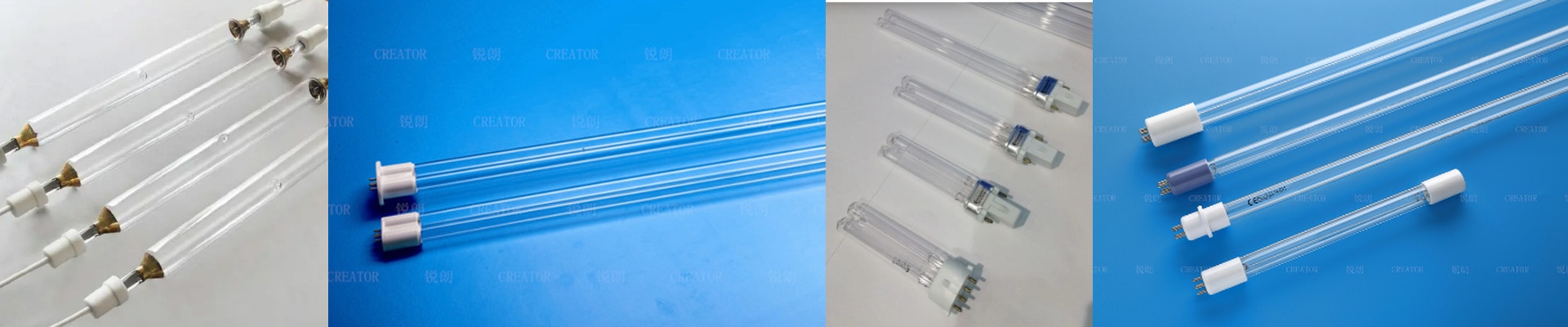
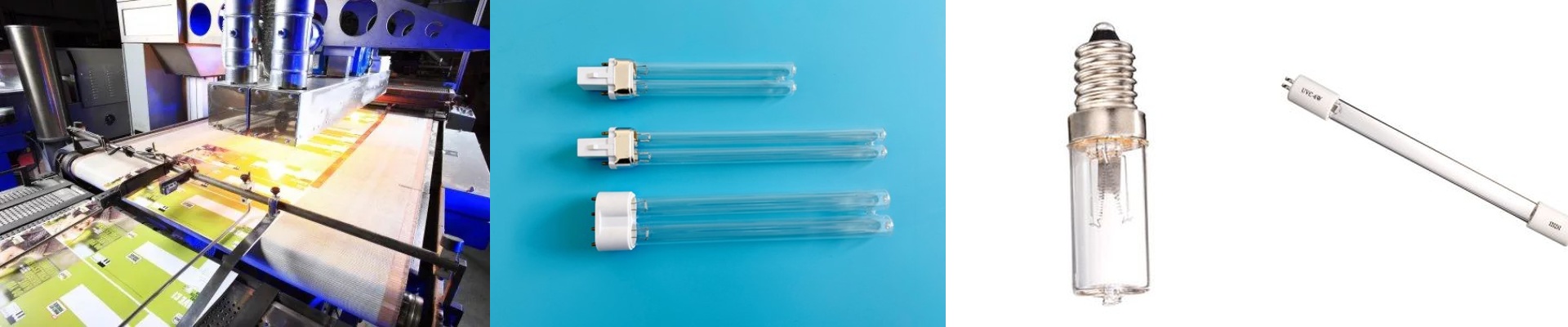
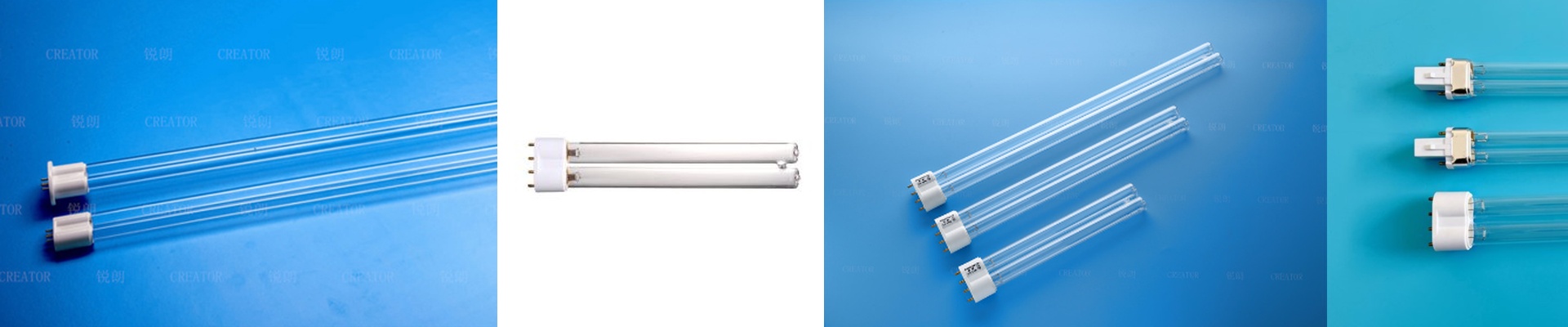
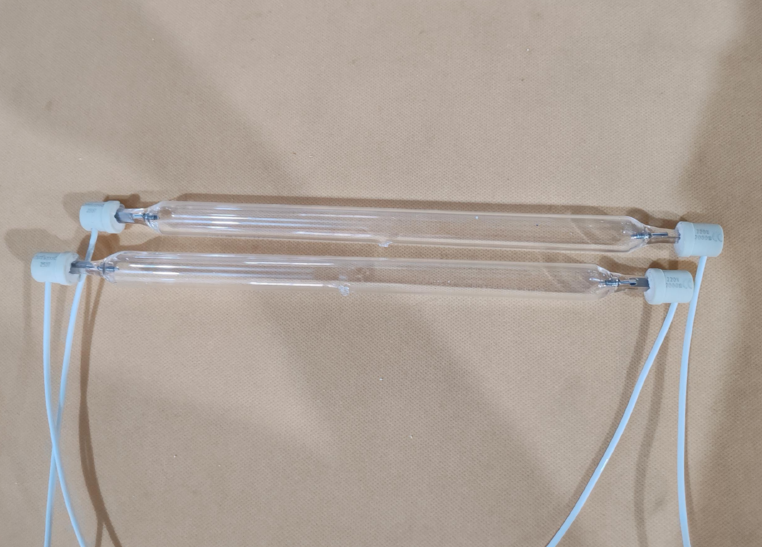
Out on the press floor, a weak lamp doesn’t fail with a bang. It fails in the margins. Pin-holing on labels, overprints that stay tacky on folding cartons, web breaks from undercured adhesive layers—most of it traces back to the same quiet culprit: mercury lamp output decay. As the arc tube ages, the spectral output shifts, peak irradiance drops, and your cure window shrinks. We build replacement mercury UV lamps to reverse that drift and put repeatable dose back on the web. What actually matters is energy density at the substrate, not the nominal wattage on a label. We match the OEM spectral profile, keep output stable across the UVA band, and deliver consistent peak irradiance and the mJ/cm² the photoinitiator needs to do its job. The quartz arc tube is sized to the original footprint, and the reflector geometry stays the same so the focal line lands where it was designed to land. Output stays stable through the rated life, spectral shift is minimal, and end-of-life behavior is predictable. Integrated dichroic coatings manage heat without sacrificing UV throughput, and ozone-free operation keeps the lamphead cooler and cleaner. Why this matters in the real world: on UV offset, flexo, and screen lines, cure speed sets press speed. Bring the lamp output back to spec and you get the designed press speed back—no more slowing the line just to chase cure. You also cut unplanned stops for lamp changes and reduce the variability that drives scrap. Power draw goes down because reflector efficiency is maintained, and the lamp’s thermal profile stays within the printer’s thermal budget. A few practical checks before you swap a lamp: verify connector type, arc length, and power requirements against your lampholder and power supply. On some machines, you’ll need to recalibrate the dose curve after replacement so it matches the new lamp’s irradiance profile. Also confirm compatibility with your shutter cycle, cooling airflow, and shutter count—otherwise you risk premature thermal cycling.