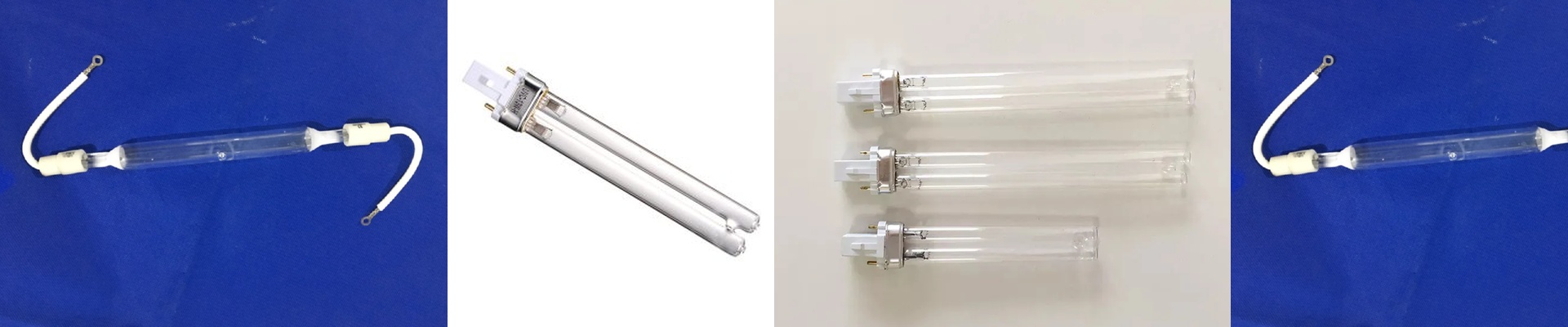
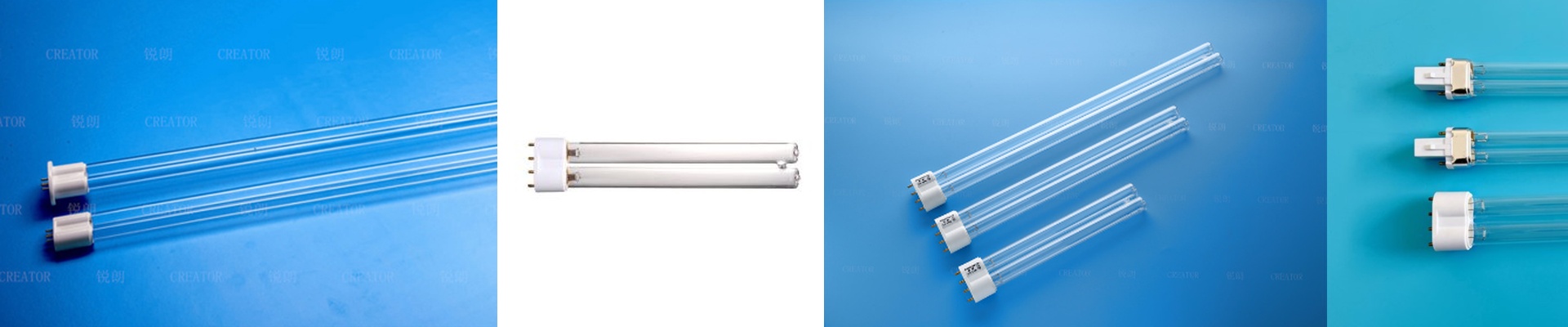
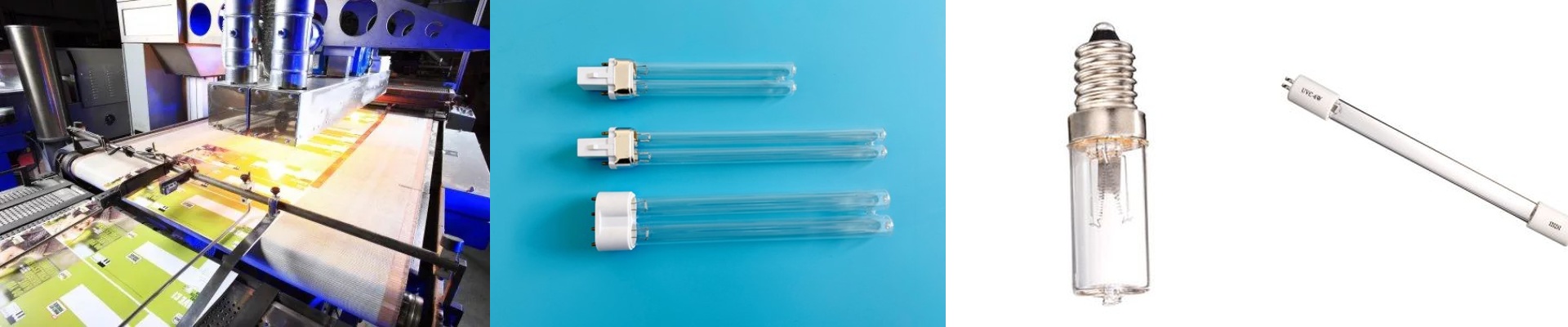
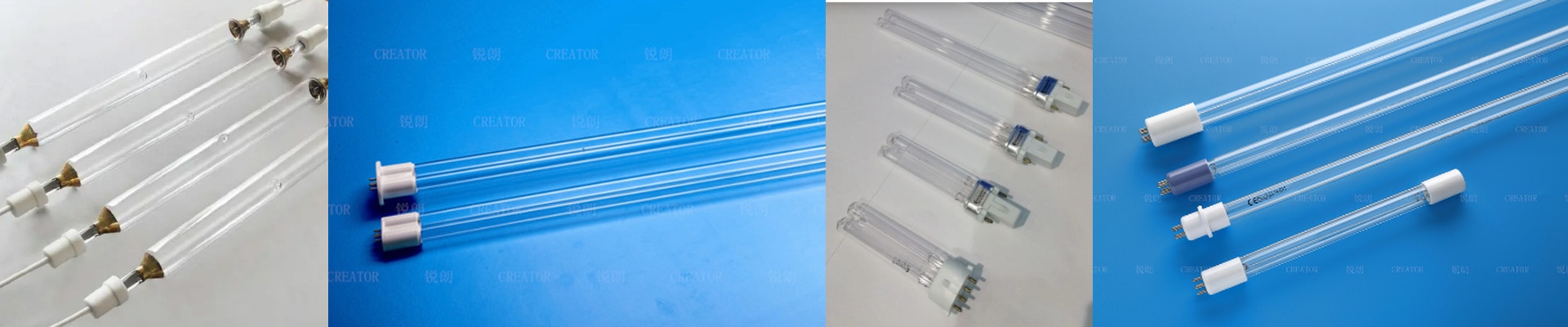
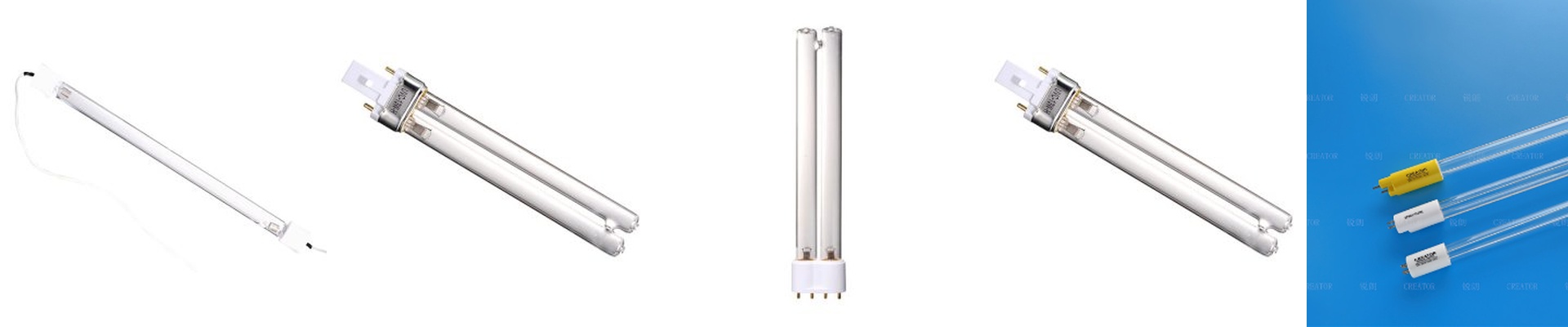
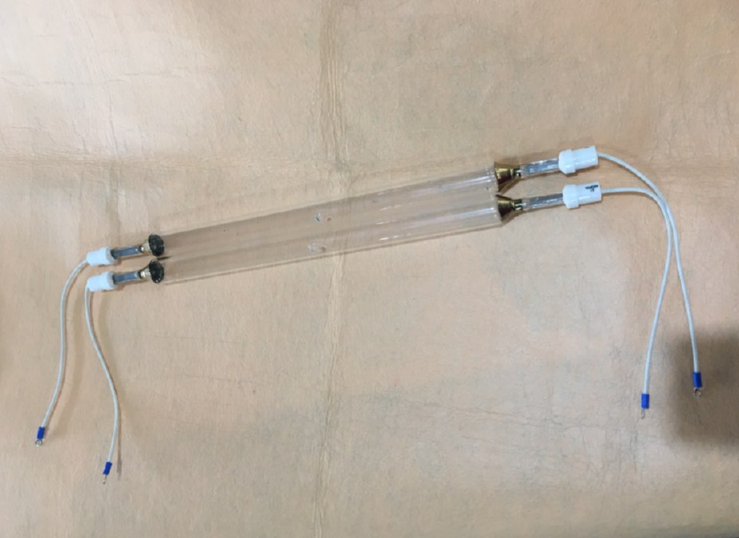
On a screen line, throughput flatlines the moment the UV lamp stops delivering repeatable energy. Ink stays wet, registration starts to drift, and rejects stack up. UV curing isn’t “just drying.” It’s photochemical cross-linking, and it only happens when the lamp’s output lines up with the photoinitiator’s absorption band. What actually matters is spectral output and stability. The UV gallium lamp we run for screen printing sits squarely in the 365–395 nm window—exactly where most acrylate systems are formulated. Peak irradiance stays constant across the arc length, and the reflector’s dichroic coating keeps heat off the substrate while focusing UV where it needs to be. You end up with repeatable curing energy density (mJ/cm²) shot after shot, and output drift stays under 5% over 5,000+ hours. The lamp holds low spectral decay, so the same dose cures the same ink film thickness at the same line speed. Screen printing needs deep cure without surface tack, and that’s where the gallium spectrum earns its keep. It penetrates thicker ink deposits and drives cross-linking through the layer, not just on top. The print comes off dry to the touch, ready to stack and finish immediately, with adhesion and solvent resistance that hold. Power draw stays predictable, lamp changes come less often, and changeovers stay fast because you’re not constantly re-tuning the dose. Here are the practical details. Match the lamp to your fixture’s reflector geometry and power supply, then verify your ink’s photoinitiator profile. Gallium lamps run cooler than high-pressure mercury, but they still need controlled cooling and clean reflectors to hold peak irradiance. Make sure it’s compatible with your press shutter and interlock, and use an ozone-free configuration when ventilation is tight.