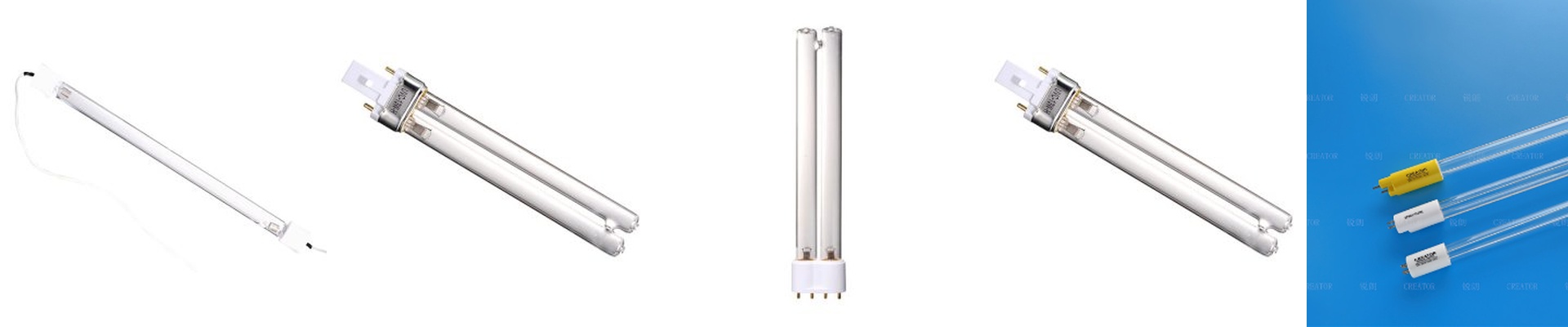
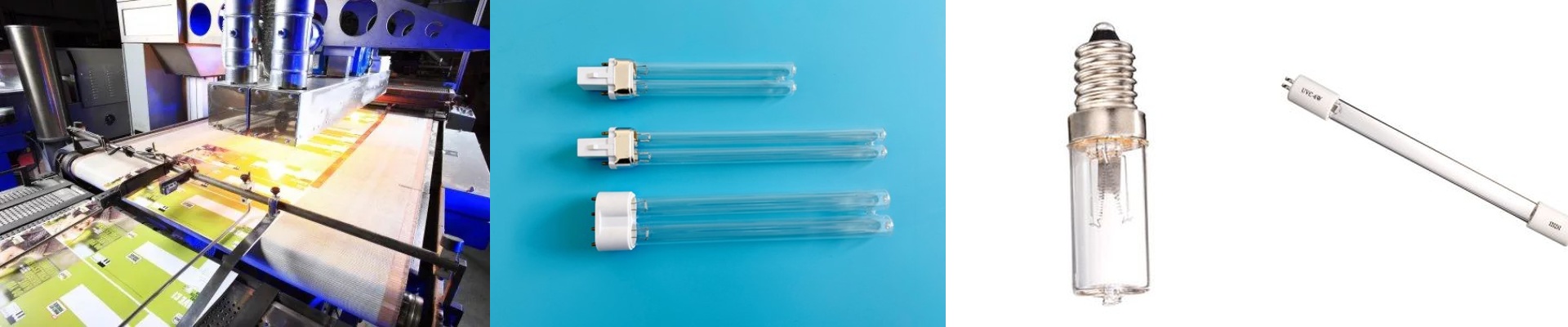
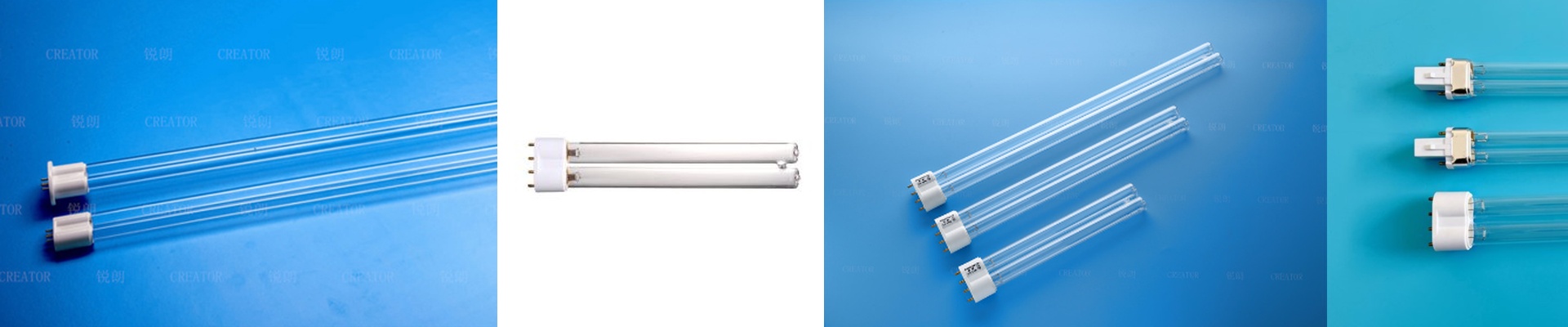
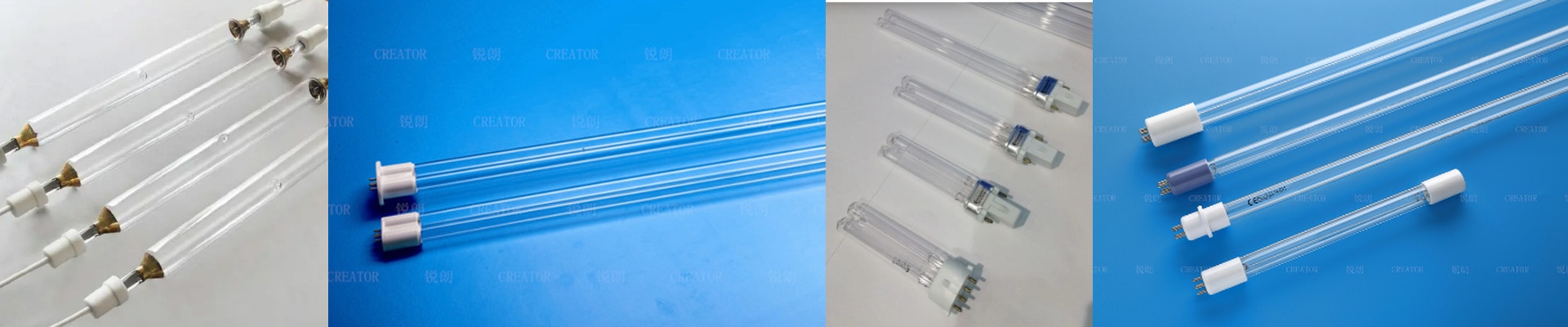
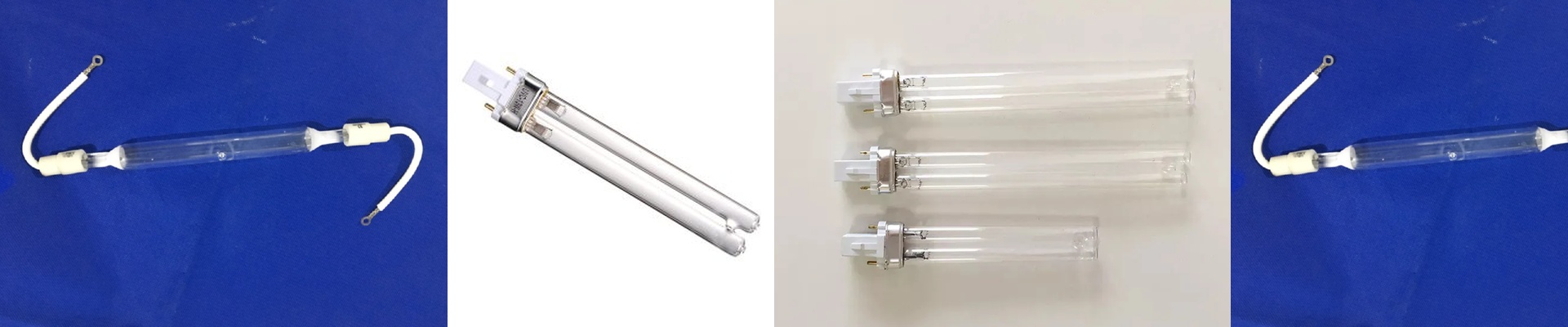
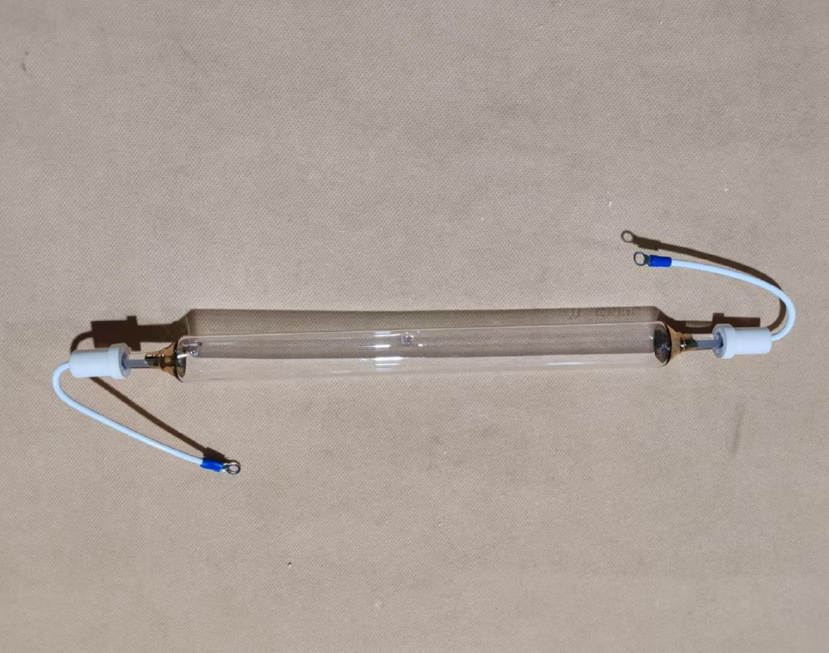
In the lab and on the press floor, picking between mercury vapor and metal halide UV lamps isn’t a preference call. It’s matching physics to chemistry. We shape the spectral output to hit the photoinitiator absorption bands that matter, because only the right wavelength gives you repeatable, instant cross-linking. What actually matters Mercury lamps throw down strong, stable peaks at 365 nm and shorter UV, with broadband output that pushes through pigmented layers and thick coatings. Metal halide shifts energy toward 385–405 nm, which helps surface cure and keeps throughput up on clear topcoats and thin films. Peak irradiance and energy density (mJ/cm²) come down to lamp power, arc length, reflector efficiency, and the dichroic coatings. Mercury shines on deep penetration; metal halide leans into fast surface cure with less heat soaking into the substrate. Why this fits the job We tune the lamp to your ink and coating chemistry, so you get instant curing—no dwell time. Mercury systems give the penetration you need for thick layers, while metal halide delivers the surface cure speed required for high-speed offset and flexo. Across the press width, you get complete, consistent cross-linking, and the output stays stable over thousands of hours. What you need to keep straight You have to match the lamp type to your photoinitiator package—no way around it. Metal halide has narrower spectral bands and is more sensitive to chemistry tweaks; mercury is more forgiving with pigments, but it can generate ozone unless you use ozone-free quartz. Before you swap chemistries, confirm reflector alignment, check your substrate temperature limits, and make sure the lamp is compatible with the UV system you already have.