Designing a UV Lamp That Actually Holds Up on the Factory Floor
We spent years on the ground—in over 3,000 printing plants. The whole point was simple: build a UV curing lamp that survives real production, not just a clean lab. Here’s what we learned designing for modern industrial wood coating.
Power, voltage, and size—why these choices matter
A UV lamp for wood coating is intense. It’s meant to run and run, without getting moody when the line is moving. We went with a 400V system because it matches what factories are already wired for. That keeps the current down and the wiring losses low—less heat, fewer headaches. The 2500W rating isn’t for show. It gives you the energy density you need to fully cure thick coatings without forcing the line to crawl. And the 300mm tube length? That’s deliberate. It lines up with common coating widths and slips neatly into tight curing modules. You get a tight, focused cure zone where you need it—without wasting space or heating up everything around it.
The build: halogen, quartz, and a connector that won’t let you down
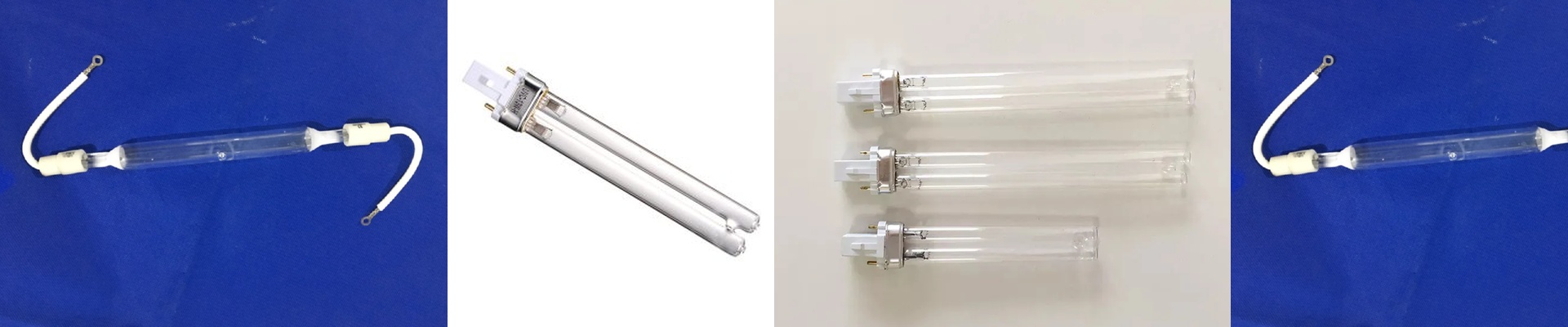
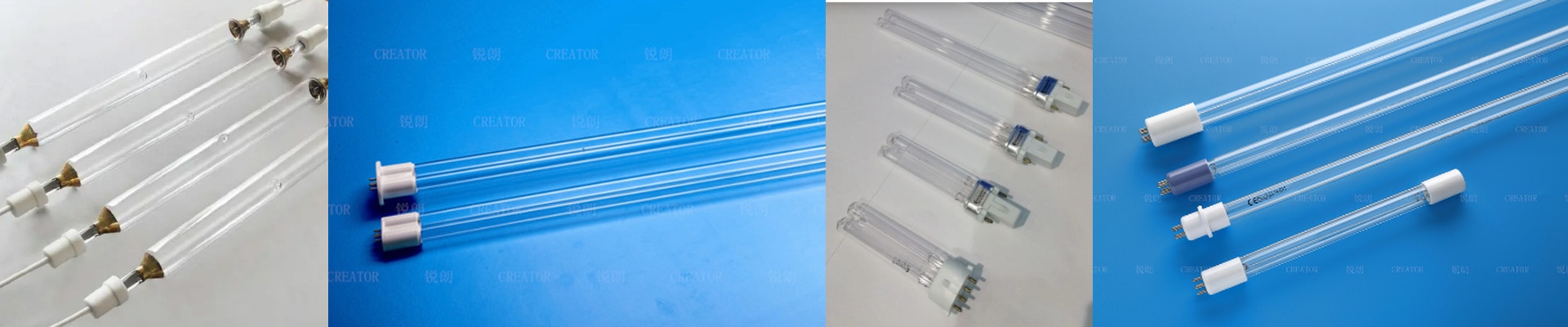
We chose a halogen-based UV source because it wakes up fast and stays steady, even when you’re cycling on and off all day. The quartz envelope can handle the shock of repeated starts and stops. And the internal coating is tuned to shape the spectrum so you cure the surface without cooking the substrate. Then there’s the R7s connector. It’s a two-pin design that’s been proven on the floor. It locks the tube in place quickly, aligns it repeatably, and handles thermal expansion cleanly—so you don’t get hot spots at the ends. When it’s time to replace a tube, it’s a drop-in job. Less downtime. Fewer maintenance fights.
What this means on a wood coating line
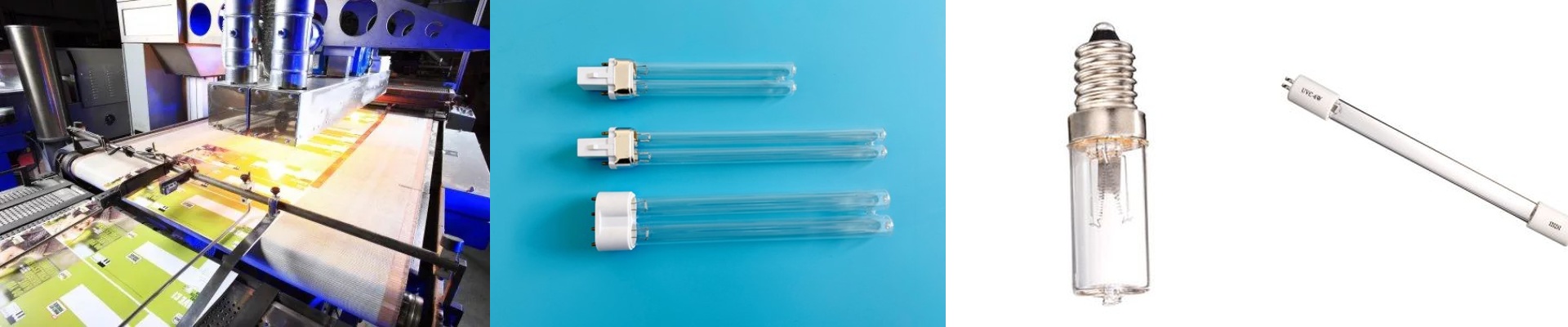
On the line, you need a lamp that cures fast, runs all day, and installs without forcing you to redesign the whole machine. This setup cures solvent-free and low-VOC coatings quickly, so you can keep the line moving and cut down on scrap. But here’s the part you can’t skip: 2500W means serious heat. You’ve got to plan for airflow and heat rejection. If the cooling isn’t right, the lamp and driver will run hot—and that’s when performance gets shaky.
The payoff: tough, simple, and ready to run
The result is a lamp that can take the pounding of daily production. It’s straightforward to wire. It fits where you need it to fit. And when the day gets busy, it just gets on with the job—quietly, reliably, and without drama.