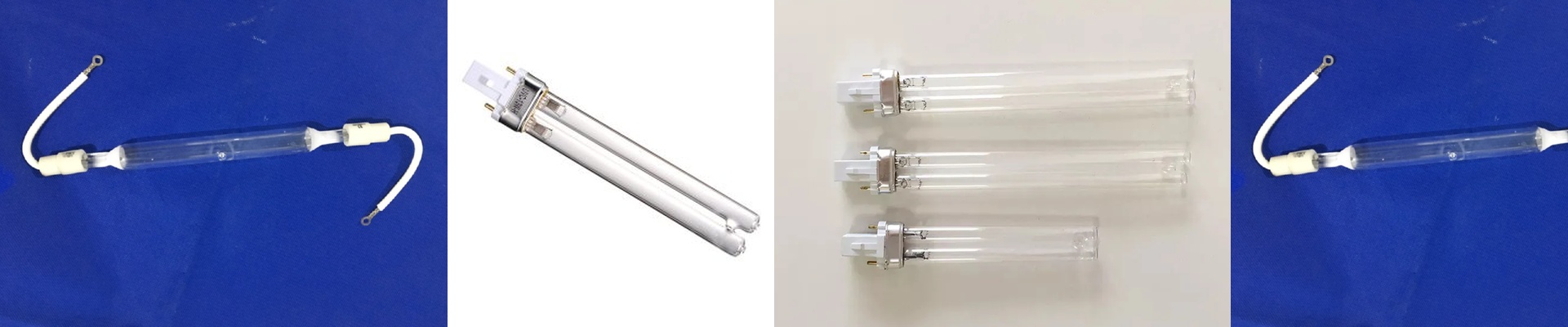
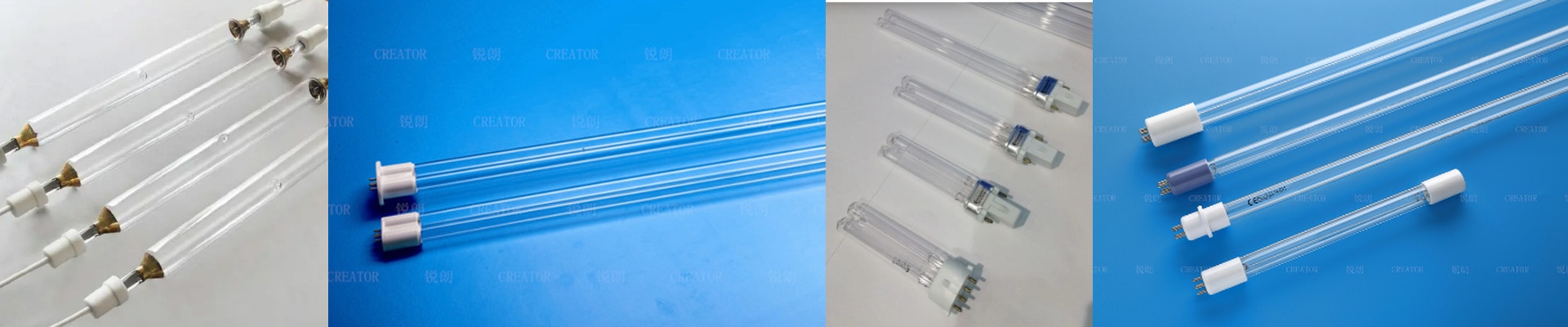
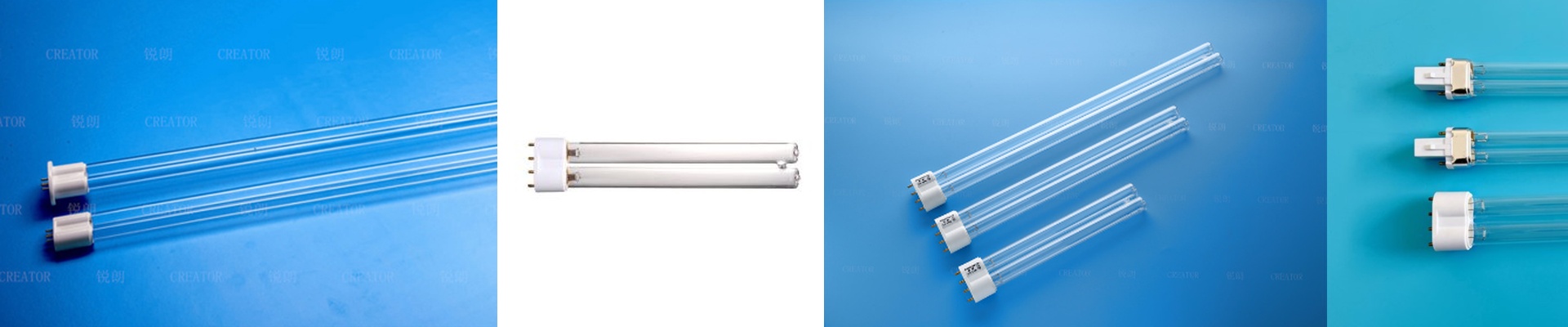
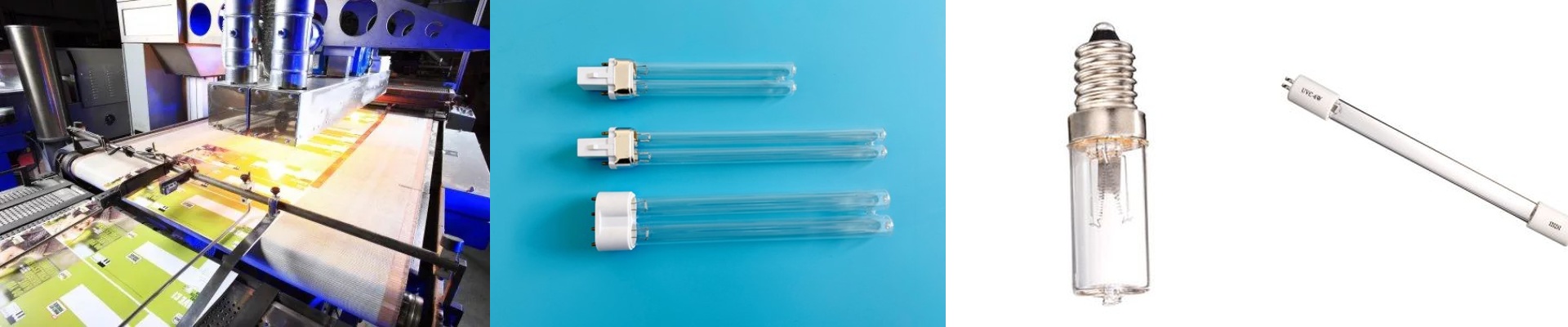
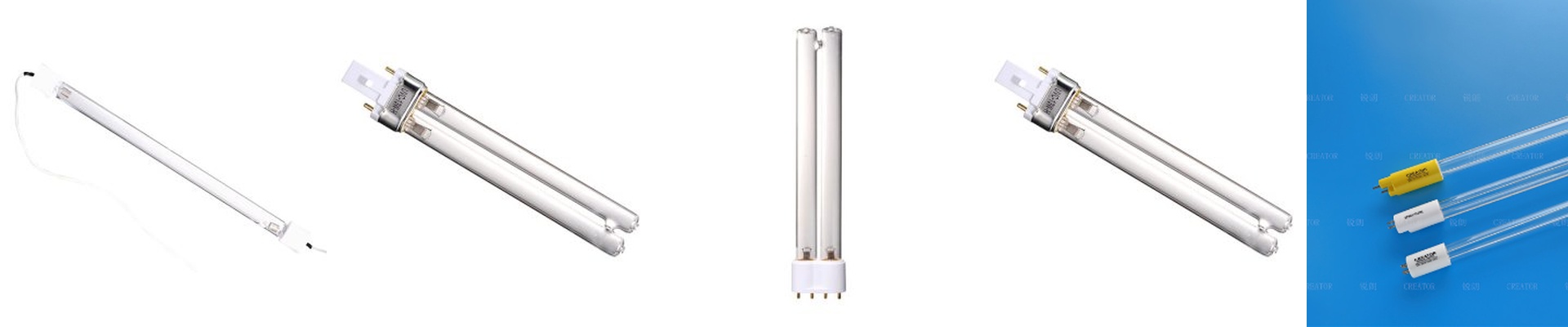
On a modern industrial 4.0 line, downtime is money you’ll never get back, and a weak cure is the kind of defect that quietly multiplies. When the UV lamp starts to drift, ink stays tacky, the press slows down, and rejects pile up. We built the Sylvania UV lamp replacement to keep output high and repeatable—so the line keeps running at the speed it was designed for. What matters, technically This is a high-pressure mercury vapor lamp, engineered for stable spectral output across the UVA band. It hits strong peaks at 365nm and spreads broad energy across 385–405nm, which lines up with photoinitiator absorption in offset, flexo, and screen inks. Peak irradiance is tuned for instantaneous cross-linking, so you get true instantaneous cure at press speeds without baking heat into the substrate. The reflectors use dichroic coatings to push energy forward, cutting wasted IR and protecting the substrate. Operation is ozone-free, which keeps ventilation simpler and operators safer. Across the full life cycle, you get consistent output, minimal spectral degradation, and stable energy density—so the cure is complete from the surface down through the ink layer. Why it fits the way you run In an industrial 4.0 setup, the lamp has to behave like a predictable part of the system, not a wild card. The Sylvania replacement delivers the penetration you need for thicker ink films, and it cures fully even on high-speed webs. That means fewer inter-station drying delays and immediate downstream processing. You end up with tighter process control, less scrap, and lower energy per part, thanks to higher electrical-to-UV conversion efficiency. The lamp geometry and arc length match standard curing modules, so setpoints stay repeatable—shift after shift, site after site. Here’s what to watch on install Installation has to line up with the reflector, shutter, and power supply. Verify ballast compatibility, connector type, and operating voltage. Also check the reflector condition—if it’s worn, effective irradiance drops even with a brand-new lamp. Keep lamp orientation and cooling airflow within spec. If you don’t, you’ll get hot spots and the lamp will age early. Schedule replacements around planned maintenance so you avoid unplanned stops. And when you handle the lamp, wear protective eyewear and gloves.