How to actually keep your UV lamp supply from crashing
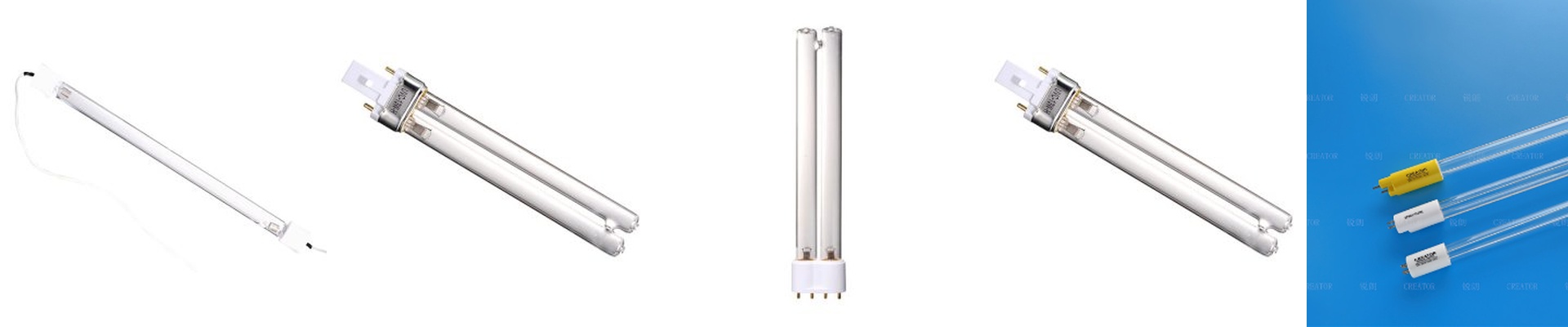
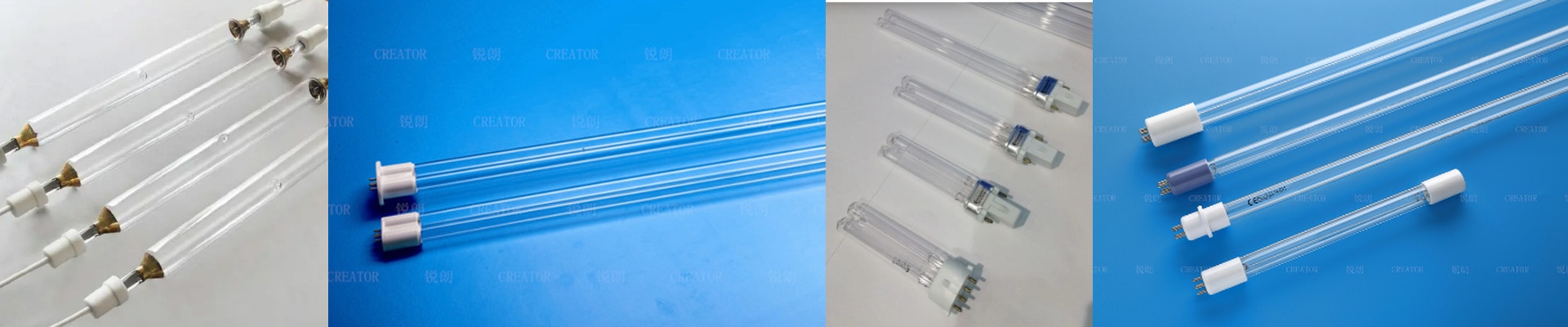
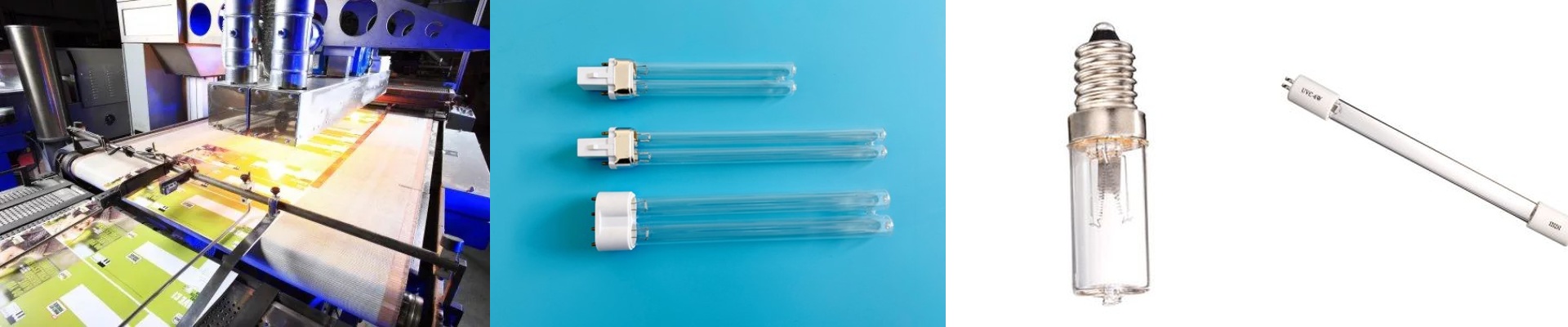
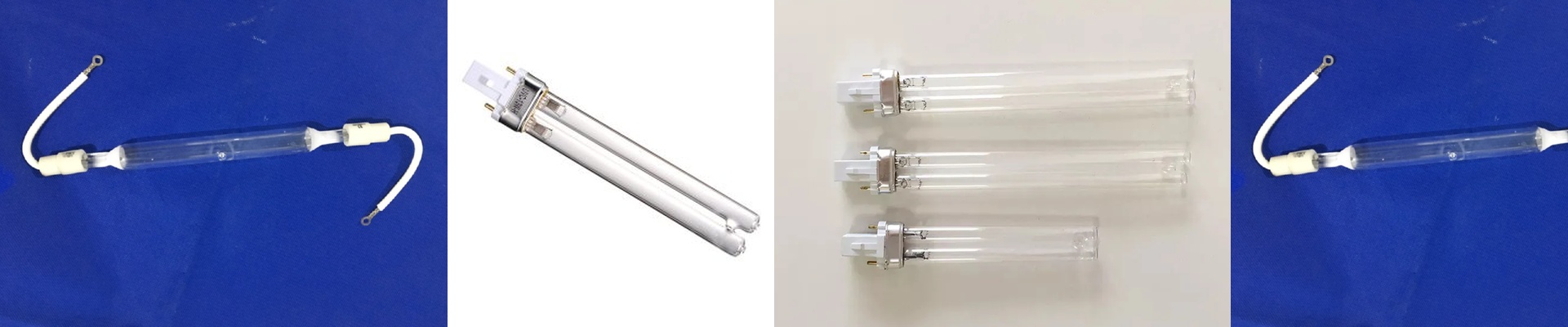
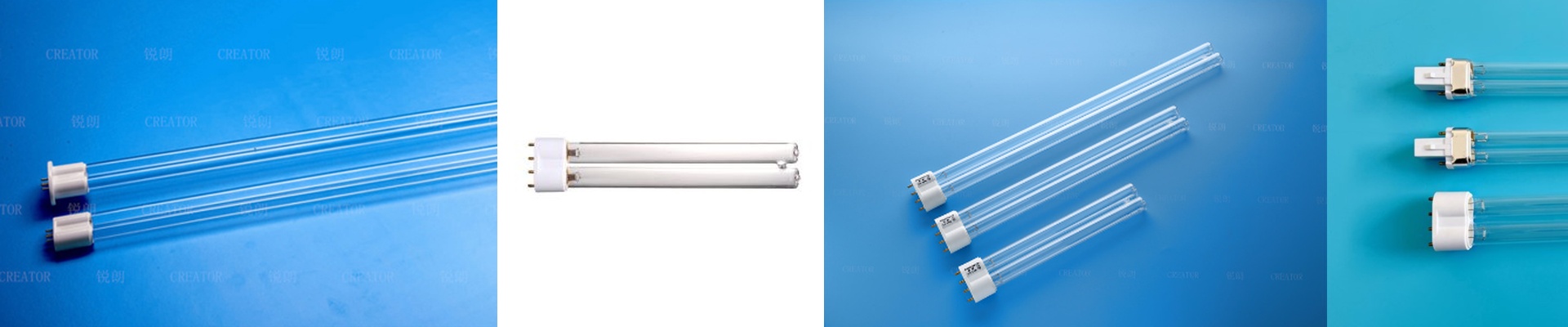
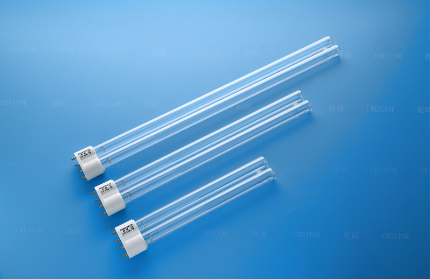
Trying to keep your inventory lean while dealing with random spikes in demand is a nightmare. One day you’re fine, the next day every customer wants a UV sterilization setup yesterday. The secret to surviving that is changing how you source your bulbs. We stick to the high-turnover, standard-spec lamps—the kind you can plug in and go without a second thought.
The nitty-gritty on the tech
Here is the thing about germicidal lamps: they live and die by that 253.7 nm wavelength. That’s the sweet spot that actually breaks down the DNA of germs. If the gas fill is slightly off or the electrode coating is sloppy, the whole thing fails. You get inconsistent sterilization, and that’s a problem nobody wants. We keep our production lines locked down tight. Why? So when you buy a replacement bulb, it just works. No tweaking, no guessing.
No one likes waiting for shipping
Usually, the real headache in this business is the quartz glass and cathode processing. That’s where everything slows down. To fix that, we keep a massive buffer of our best-selling models ready to ship. It means you don’t have to wait for a full production cycle just because your e-commerce sales took off over the weekend. You scale up when you need to, and we just send the gear.
A quick heads-up on heat
There is one catch. High-output bulbs get hot. Really hot. If your lamp housing doesn’t have decent airflow, those electrodes are going to fry way faster than they should. It’s a simple physics problem: poor cooling equals premature burnout. Before you buy in bulk, just double-check that your fixtures are built to handle the wattage. We’ll handle the hardware and the fast shipping. You handle the installation and the cooling. It’s a simple split that keeps your supply chain moving and keeps you from running out of stock when things get crazy.