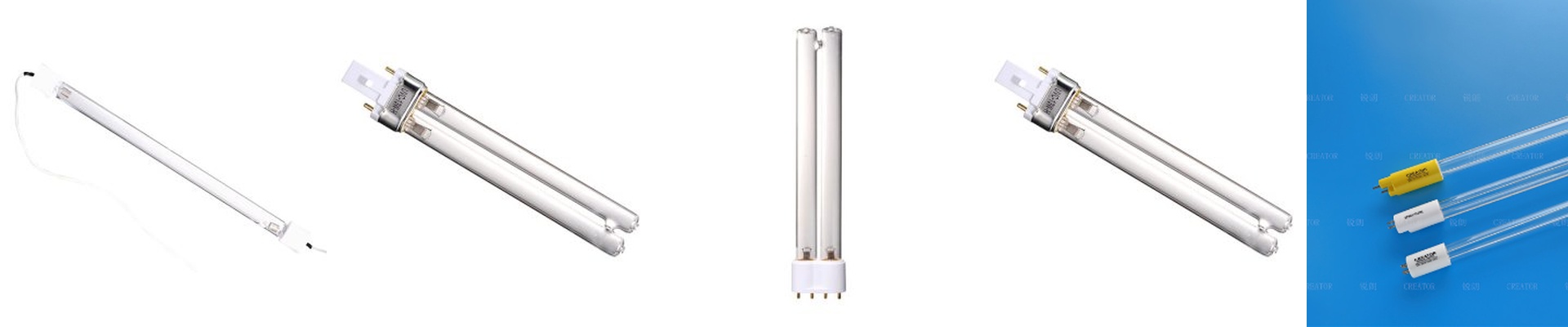
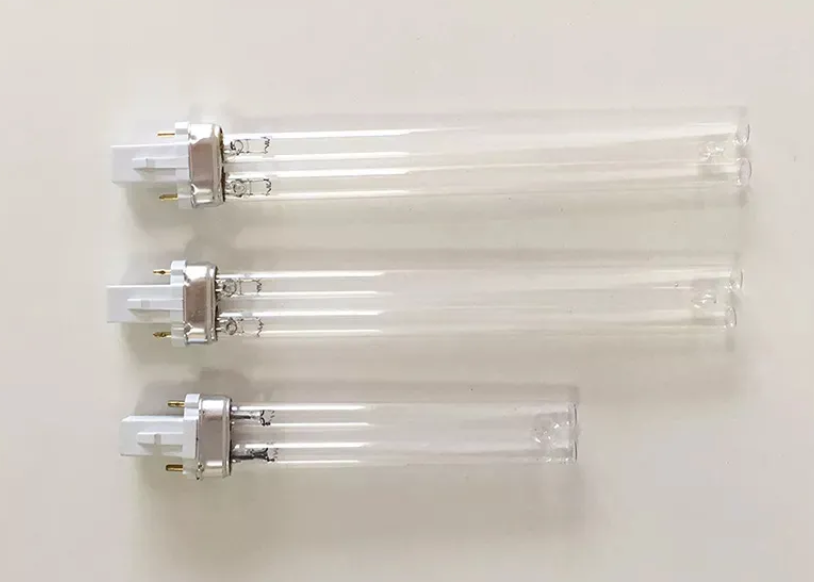
Stop Thinking of UV Lamps as Just “Drying Tools”
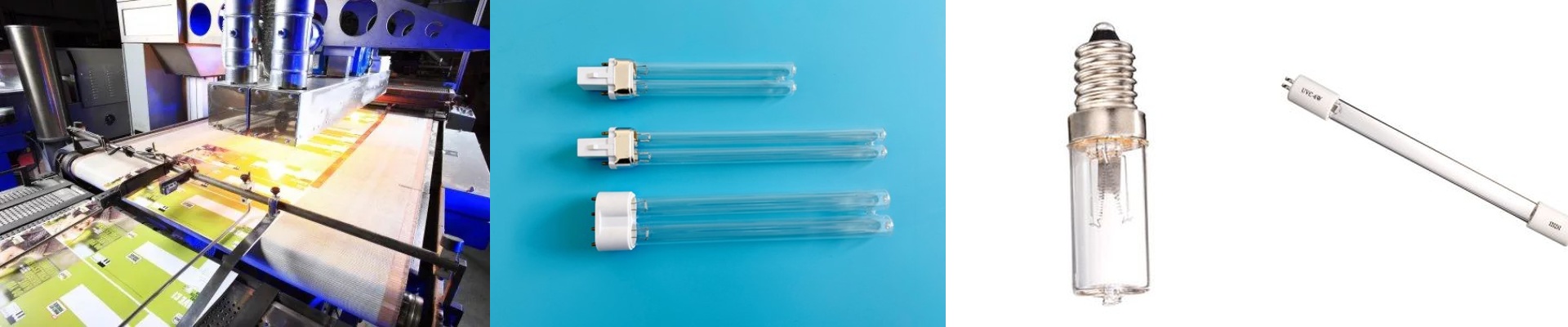
For a long time, we’ve looked at UV lamps as the thing at the end of the line that dries ink or sets glue. But that’s changing. We’re moving into a world where light is a precision tool—the kind of stuff used for semiconductor lithography or scrubbing a medical tool clean. By 2026, you won’t just be buying a replacement bulb. You’ll be installing smart photonic modules. It’s a whole different ballgame.
Getting the Physics Right
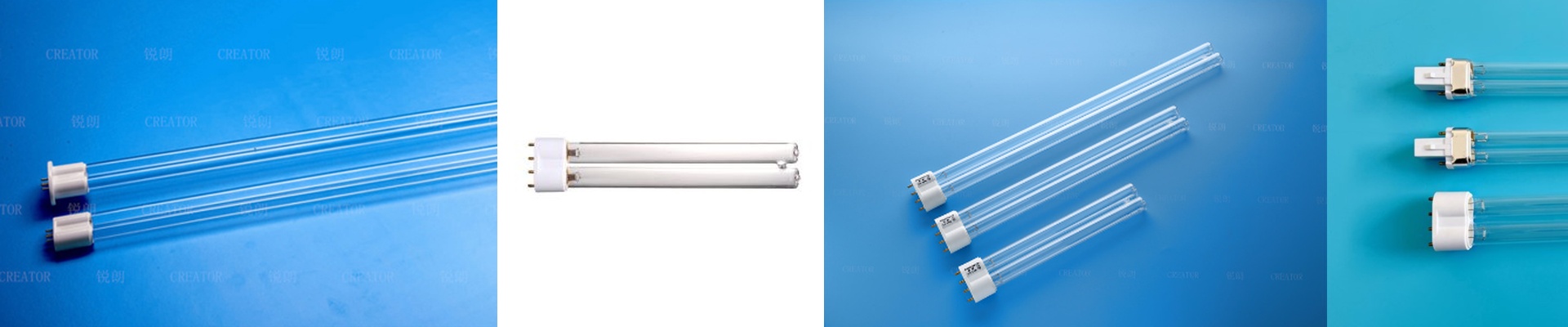
At the end of the day, it’s all about the wavelength. Whether you’re using medium-pressure mercury lamps or Gallium-doped tubes, you’re chasing one thing:irradiance. We usually aim for that 254nm to 365nm sweet spot. When you crank up the wattage, your line speeds up. Simple. Your conveyor moves faster, and you don’t have to worry about the surface feeling tacky or under-cured. It just works.
The Heat Problem (and How to Fix It)
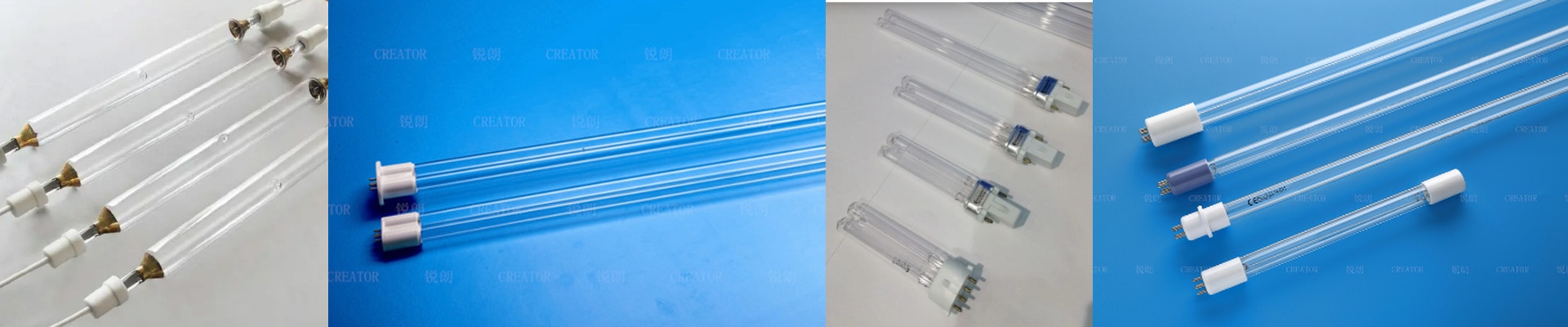
Here’s the thing: in a modern factory, these lamps need to talk to your PLC. We use sensors to keep an eye on UV intensity in real-time so you don’t end up with “blind spots” where nothing gets cured. But you can’t just plug them in and walk away. These things gethot. I mean, seriously hot. If your cooling fans or water-jackets aren’t up to the task, that quartz envelope is going to stress and eventually crack. I see this all the time. An engineer tries to squeeze too much power into a tiny space, and pop—there goes your hardware.
The Give and Take
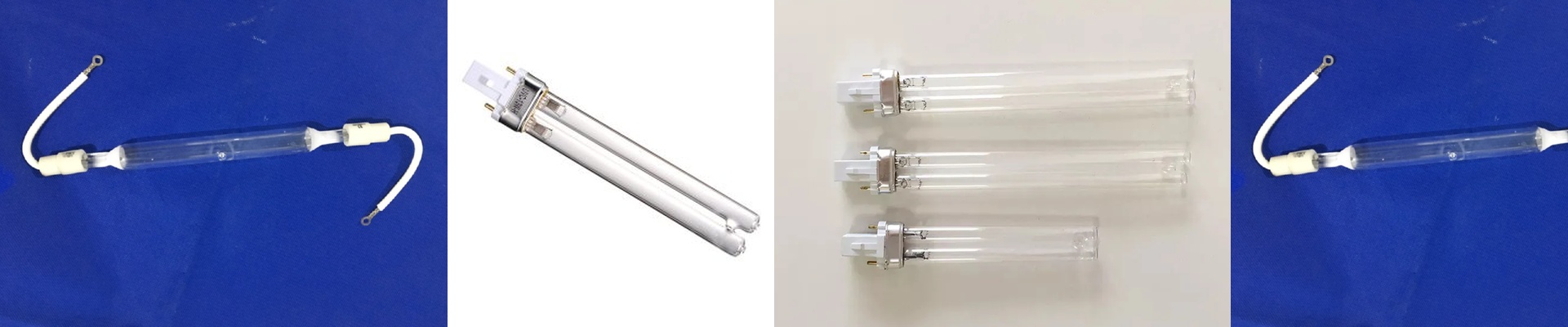
When you’re using UV for precision bonding in electronics, you’re always balancing two things: speed and lifespan. If you push a lamp to its absolute limit to get more parts out the door, you’re killing the electrodes. You get a huge burst of productivity, but your maintenance window gets a lot shorter. My advice? Find a balanced power curve. You’ll keep the dosage exactly where the substrate needs it, but you won’t be replacing bulbs every other week. That’s the only way to actually keep a 24/7 production line stable.