Making UV Germicidal Lamps Actually Smart
For a long time, UV-C lamps have been pretty primitive. You flip a switch or set a timer, the light kicks on, and you just… hope for the best. You trust that it’s doing its job until someone finally remembers to check the bulbs during a maintenance walk. It’s basically blind operation. And honestly? That’s not good enough anymore. We’re moving toward systems that actually tell you what’s happening. By tracking power draw and how the light spectrum shifts in real-time, we can stop guessing and start knowing.
How we actually track the energy
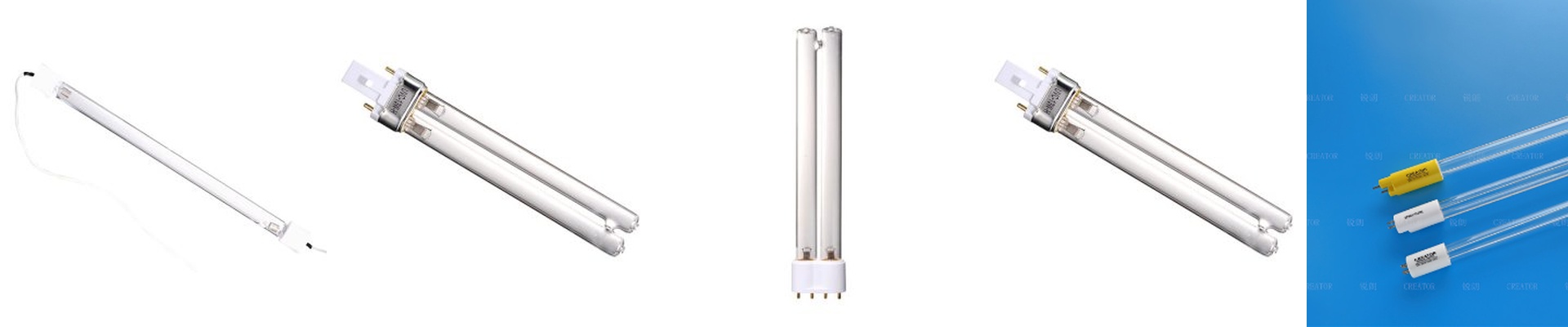
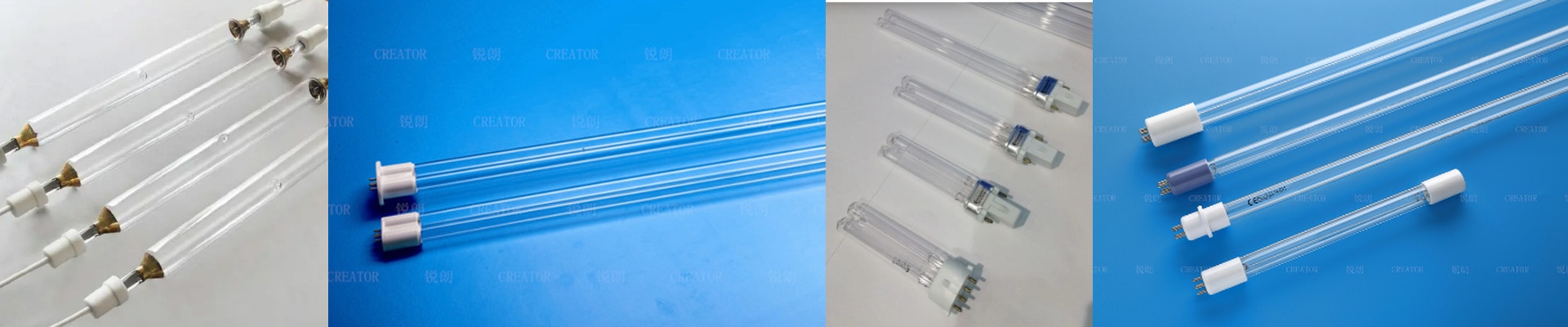
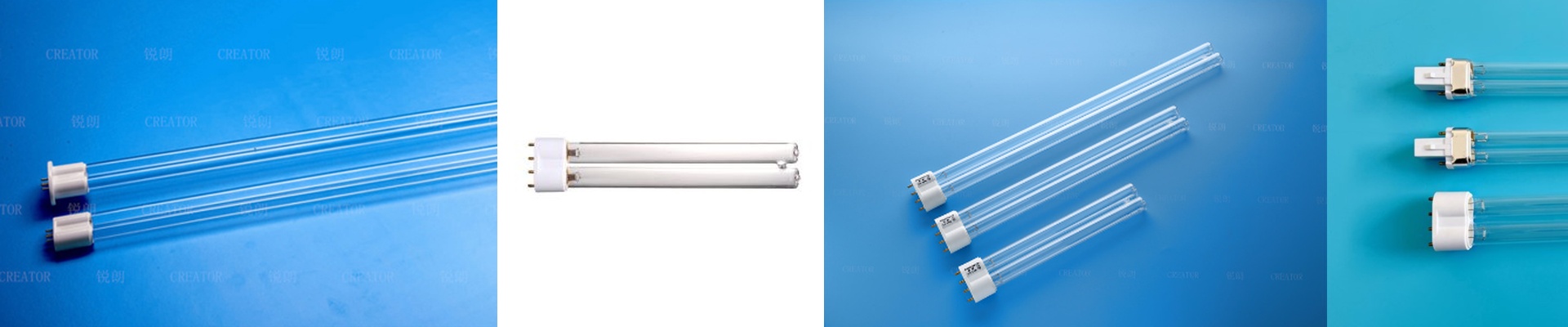
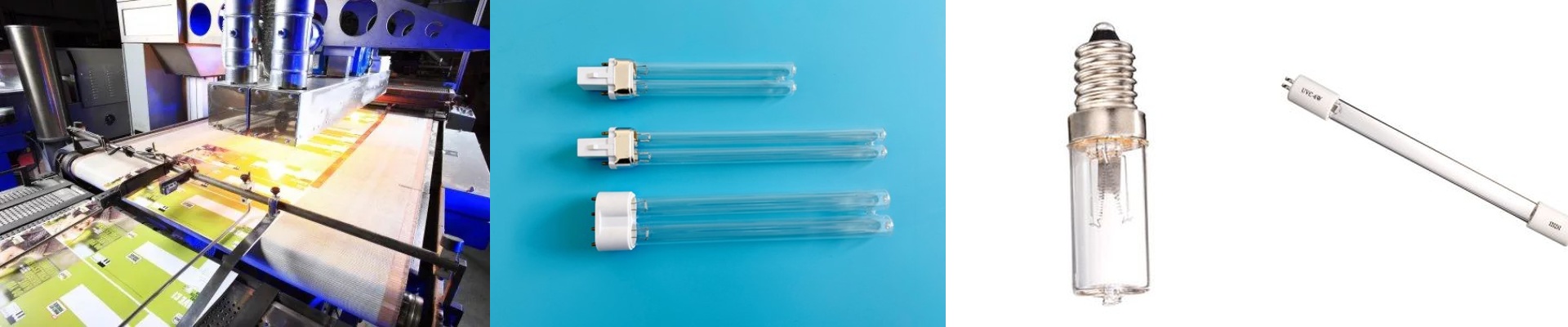
Here is the thing: a smart lamp isn’t just a fancy bulb. The real magic happens in the ballast and the sensor loop. See, UV-C lamps don’t usually just pop and go dark like an old incandescent bulb. Instead, the mercury vapor inside slowly wears out. The light output drops, and the power consumption starts to drift. By keeping an eye on the voltage and current right at the socket, we can spot those tiny shifts. It means you know exactly when to swap a tubebeforethe sterilization levels dip too low. No more guessing games.
Dealing with the hardware (and the risks)
Now, putting IoT sensors inside a high-voltage UV environment is a bit like putting a piece of paper in a furnace. You have to be careful. The radiation that kills the germs can also wreck the electronics tracking them. To fix this, we use specialized housing to shield the sensors. It keeps them from taking a beating from the UVC flux. And it’s not just about the bulbs. Safety has to be baked in. We’ve gone beyond the basic “turn off when the door opens” sensors. We’re using hard-wired safety loops that kill the power instantly if the monitor detects a ballast failure or an electrical arc. It’s a fail-safe that actually feels safe.
The trade-offs
Of course, nothing is free. Adding all this monitoring means your control panel gets a bit bigger. You’ve got gateways and signal converters taking up space. Plus, your sterilization uptime now has a weird dependency: your network. If your WiFi or Ethernet hits a snag, you’ll lose your data logs. Now, the lamps will still fire—they aren’t going to stop working just because the internet is down—but you’ll be flying blind again for a while. It’s a balance. You have to decide if the wealth of data is worth the extra hardware and the occasional network glitch. For most, the peace of mind is worth it.