Why Most UV Lamps Fail (And How We Fixed Ours)
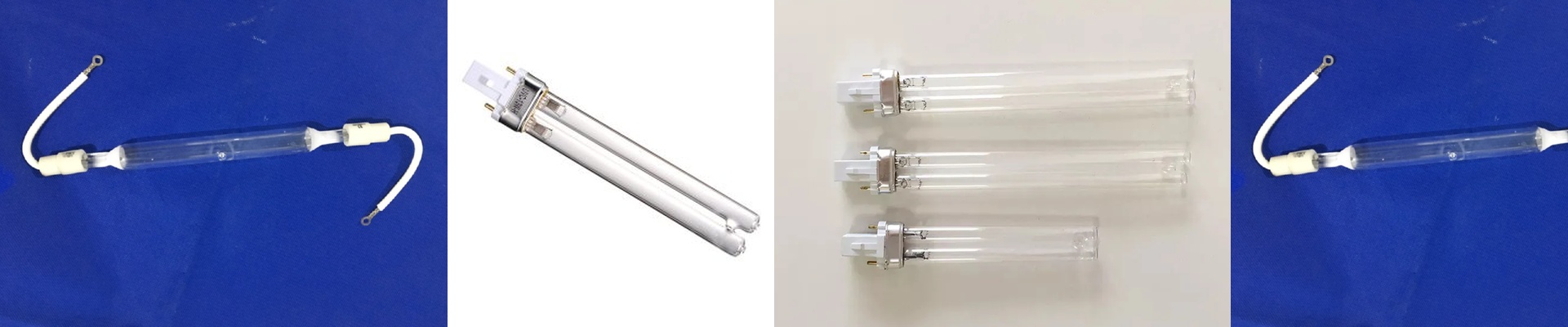
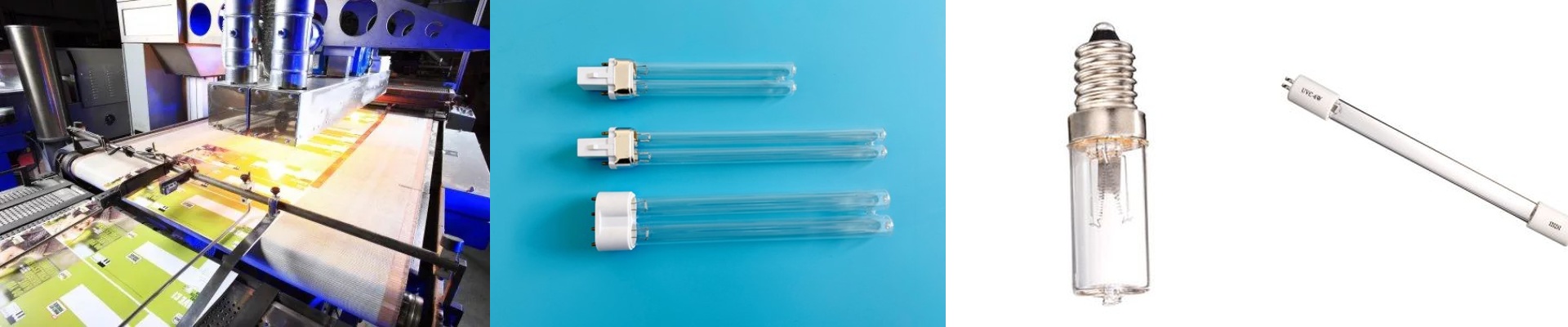
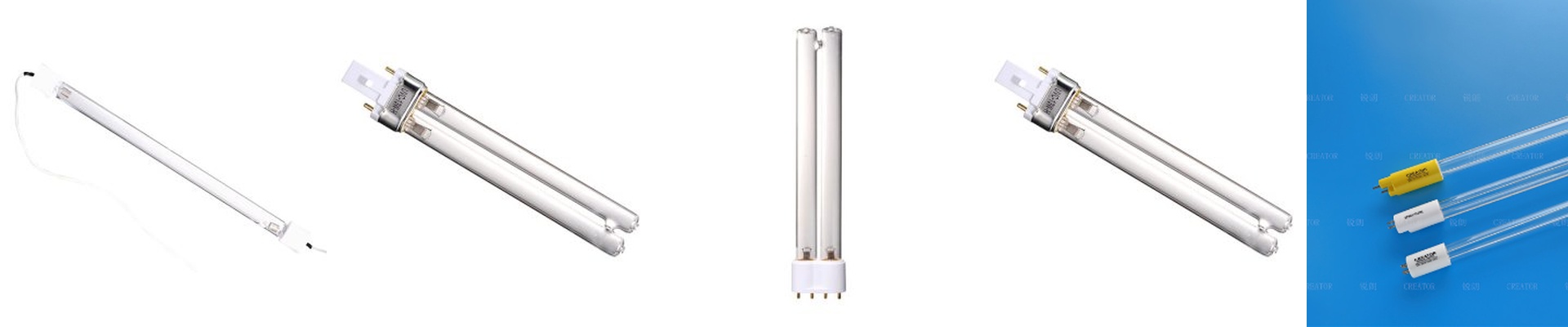
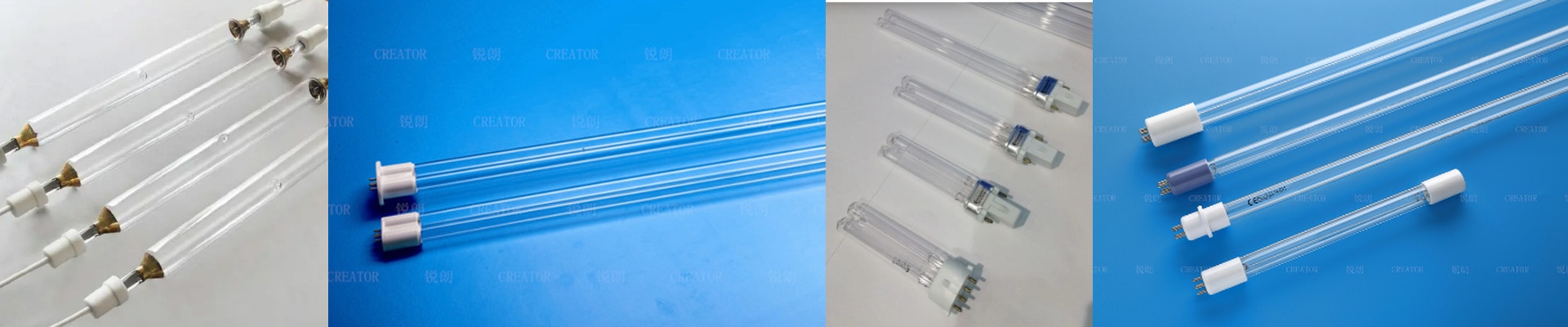
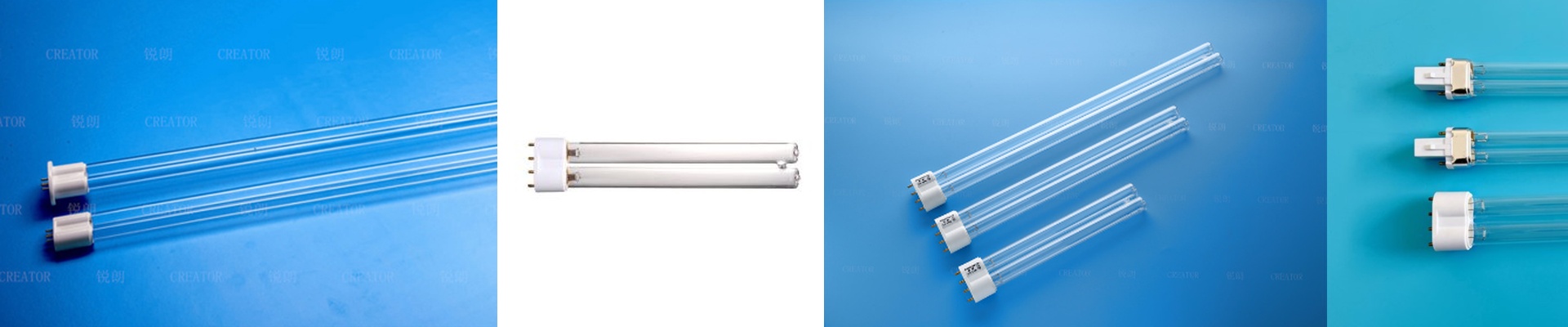
We spent some time hitting the road—visiting 3,000 different printing plants—just to see where things actually go wrong. What we found was a recurring nightmare: the lamp intensity and the line speed just weren’t talking to each other. You’ve probably seen it. The ink looks dry on top, but it’s still gooey underneath. It’s a mess. We took all those real-world headaches and used them to rethink everything for our 2026 lineup. The heat struggle Here’s the thing about power. Everyone wants more speed, which means more wattage in a smaller space. But that creates a massive amount of heat. You can’t just crank the dial and hope for the best. If your cooling system isn’t up to the task, that quartz envelope is going to stress out and burn out way too soon. It’s a delicate balance. You want the power, but you have to manage the fever. Better glass, tougher parts We started using high-purity fused quartz. Why? Because it doesn’t soak up the UV rays, meaning more of that energy actually hits the ink. For the really fast lines, we added doped phosphors to shift the spectrum. This helps the cure penetrate deeper into those thicker ink layers. And we stopped using those flimsy, generic connectors. We swapped them for heavy-duty, vibration-resistant pins. Now, when your press is screaming at full tilt, you don’t have to worry about flickering or arc-overs ruining your day. Keeping things running We wanted these to be “drop-in” replacements. No one wants to tear apart their entire system just to update a lamp. They should just fit into your existing reflectors and get to work. One piece of honest advice: keep a close eye on your hour-meter. As the electrodes wear down, the output dips. We usually suggest swapping them out when they hit 80% of their life. Sure, it feels like you’re throwing away a little bit of lamp life, but it beats the hell out of a mid-run failure that scraps your entire batch of prints.