The Secret Ingredient in Your Clothes: UV Lamps
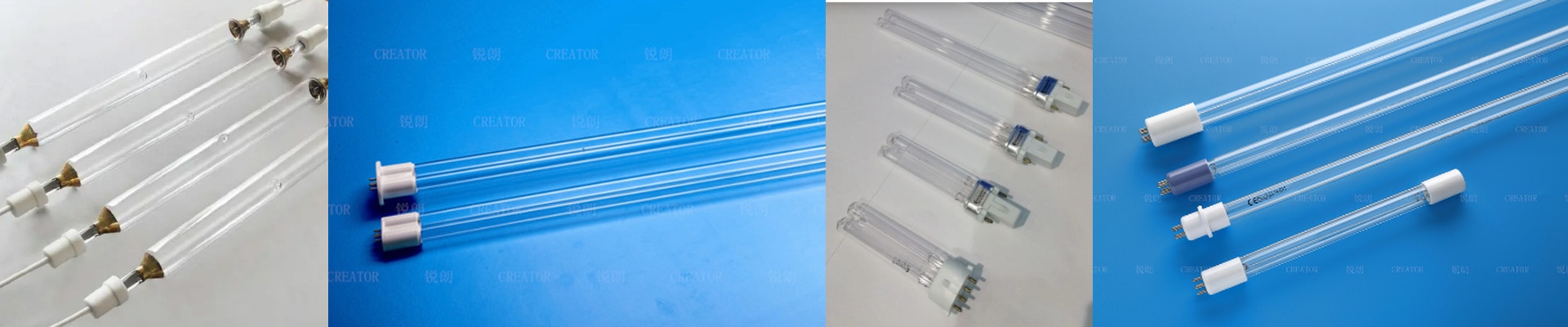
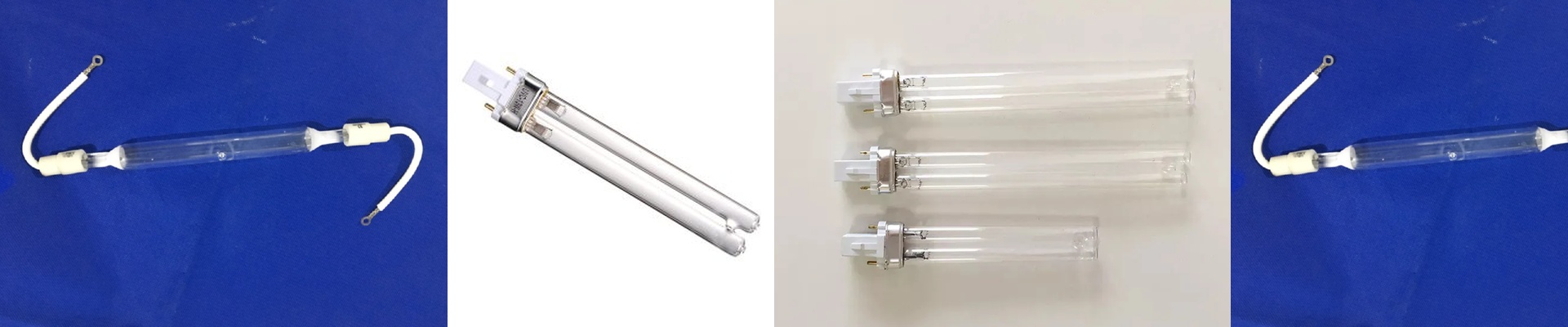
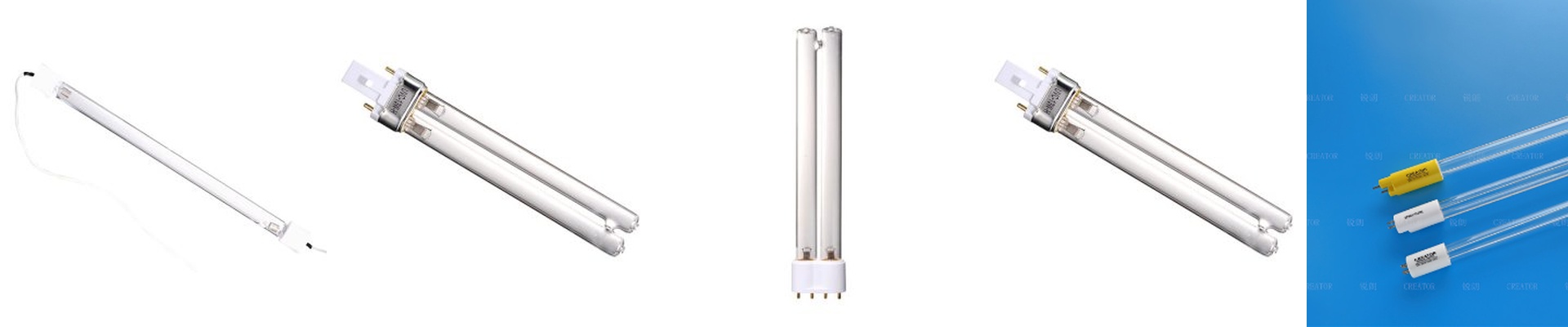
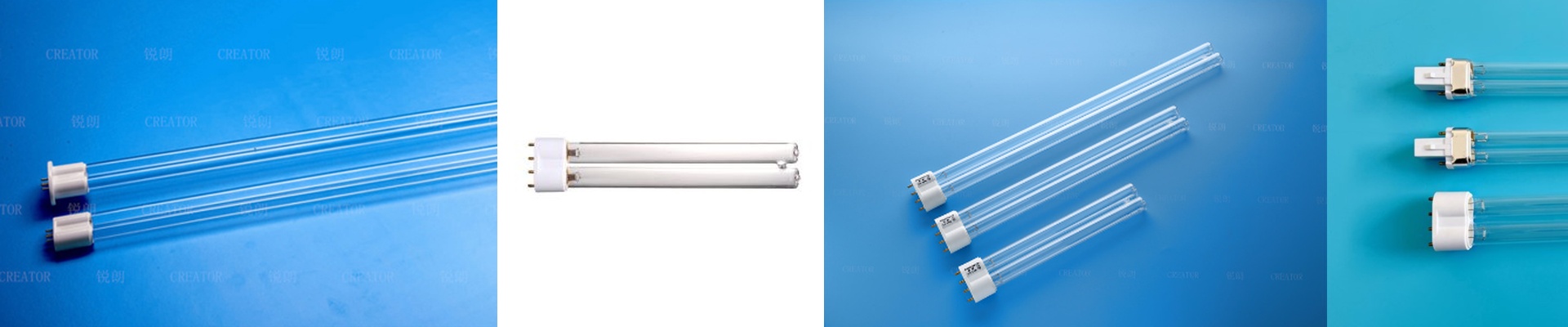
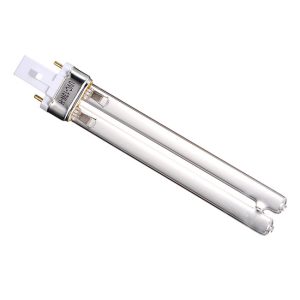
When most people look at a shirt or a pair of sneakers, they think about the stitching. But if you’re an engineer, you’re thinking about the chemistry. That’s where UV lamps come in. They’re basically the invisible workhorse of the whole textile process. We use them to trigger a reaction called photopolymerization—which is just a fancy way of saying we turn liquid resins into rock-solid bonds in a matter of seconds.
Getting the Cure Just Right
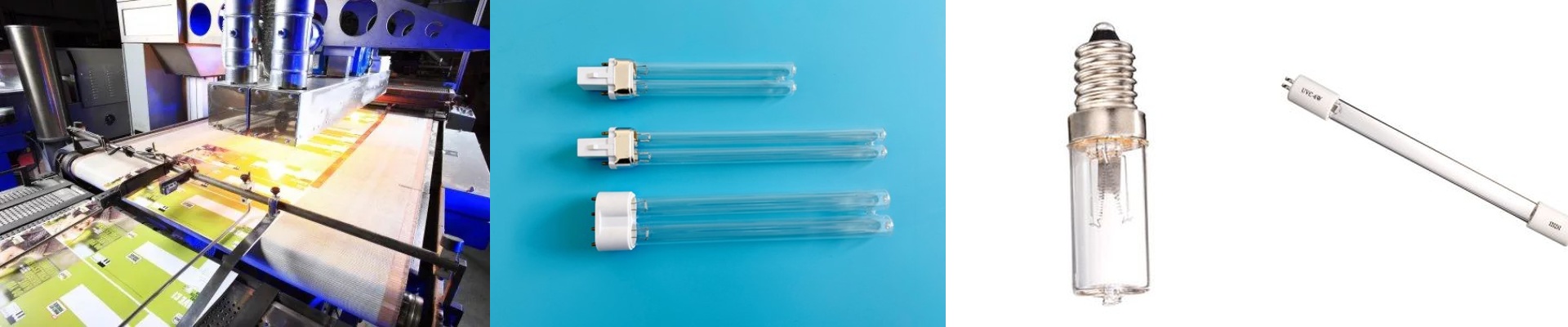
Early on in production, we use these lamps to set functional coatings. Think of the stuff that makes a jacket water-repellent or flame-retardant. The trick is the dose. You have to get the energy exactly right. If the wattage is too low? The fabric stays tacky and sticky. Too high? You’ll actually scorch the material. It’s a delicate balance. Then there’s digital printing. To stop ink from bleeding into the fibers and ruining a design, we hit it with UV light instantly. Depending on how fast the assembly line is moving, we’ll use high-intensity LEDs or mercury lamps. The faster the fabric moves, the more punch the light needs to have so the ink sets before it even hits the take-up roll.
The Heat Headache
Here is the thing: putting these systems into a production line isn’t as simple as plugging in a lightbulb. High-output lamps put off a ton of infrared radiation. If you just drop them into a machine without a real cooling plan, you’re asking for trouble. If your exhaust can’t handle the heat, the whole room warms up. That’s bad for the fabric, and it’ll kill your lamps way faster than they should die. Because of that, we keep our designs tight. We make sure the footprint is small and the connectors are standard so you can swap them into your existing setups without a total overhaul.
Why It Actually Matters
Whether it’s the glue holding a sneaker together or a wild print on a gym shirt, these lamps are replacing those old, clunky thermal ovens. It’s a better way to work. You save a massive amount of space and things move way faster. Plus, your electric bill takes a hit—and in a good way. Instead of heating up an entire warehouse, you’re only putting energy exactly where it needs to go.