How to Actually Build a UV Lamp Brand That Doesn’t Suck
Listen, white-labeling UV lamps is about more than just sticking a logo on a cardboard box. If you want engineers to actually trust your gear, you have to get your hands dirty with the hardware specs. That’s where we come in. We provide the heavy lifting on the manufacturing side so you can design lamps that actually fit the industrial machines your customers are already using.
Getting the Power Right
Here’s the thing about UV performance: it’s a balancing act between wattage, voltage, and how long the tube is. If you’re going after high-intensity curing, we can crank up the wattage per millimeter of quartz. But there’s a catch. High wattage means a lot of heat. If your customers aren’t using active cooling or the right reflectors, those lamps are going to burn out way too fast. We’ll sit down with you and find that sweet spot—enough power to get the job done, but not so much that it melts the housing.
The Nitty-Gritty: Glass and Plugs
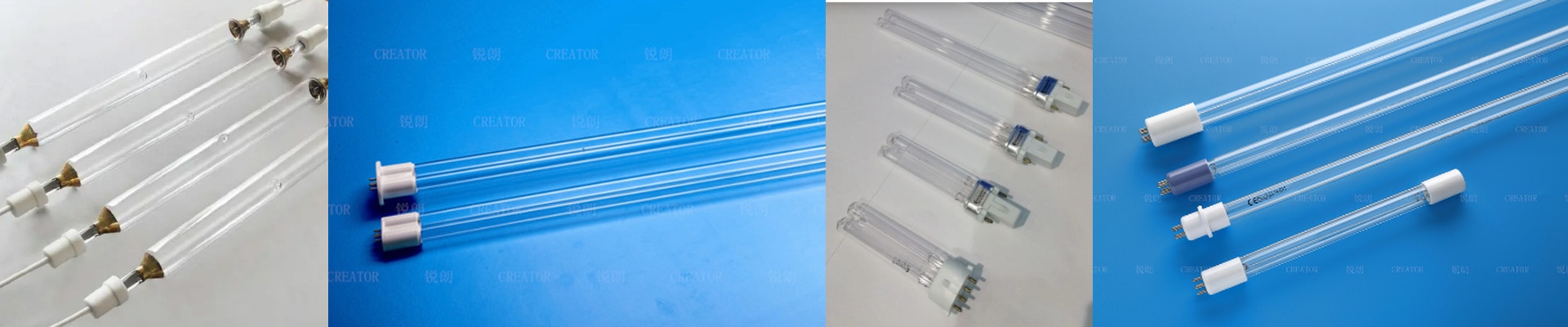
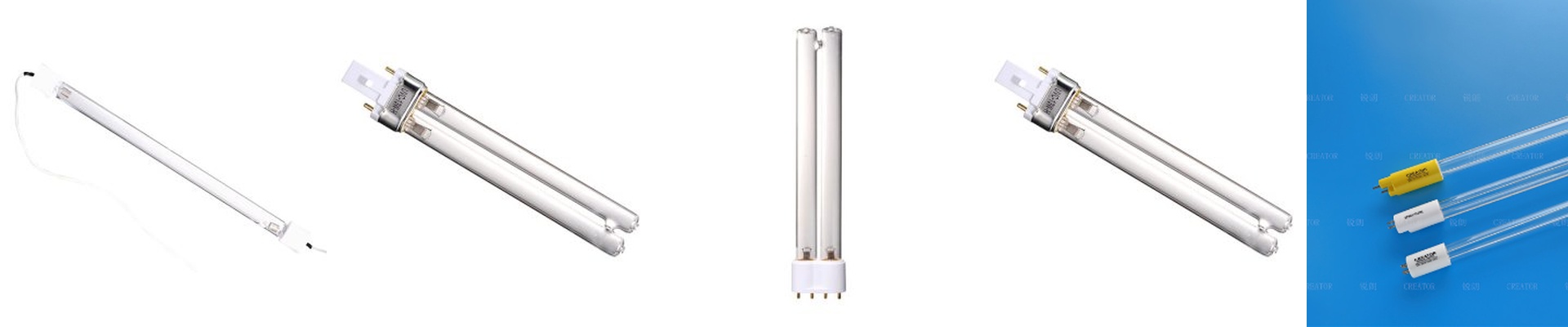
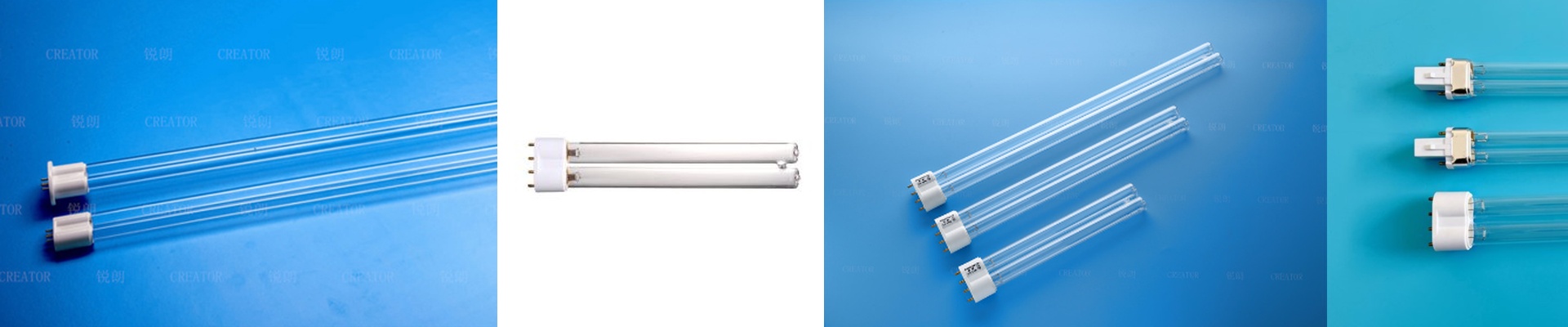
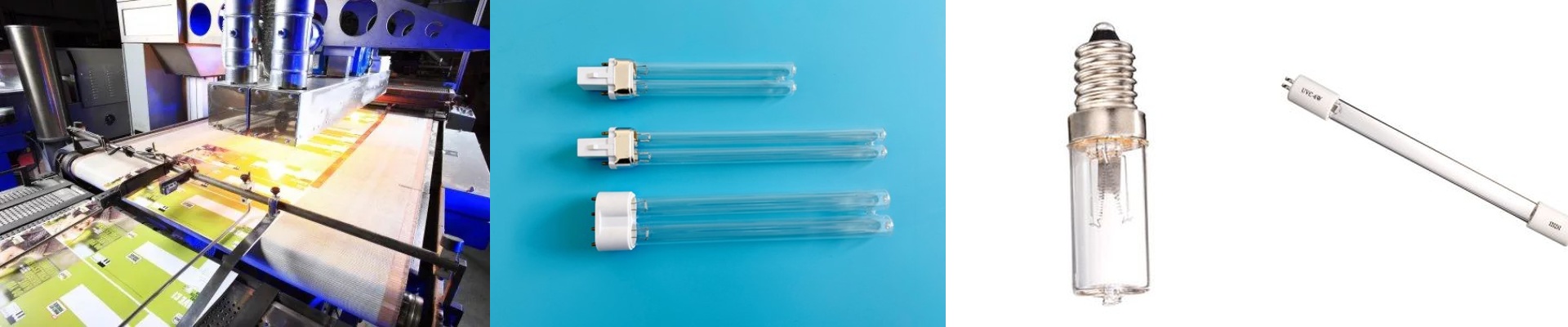
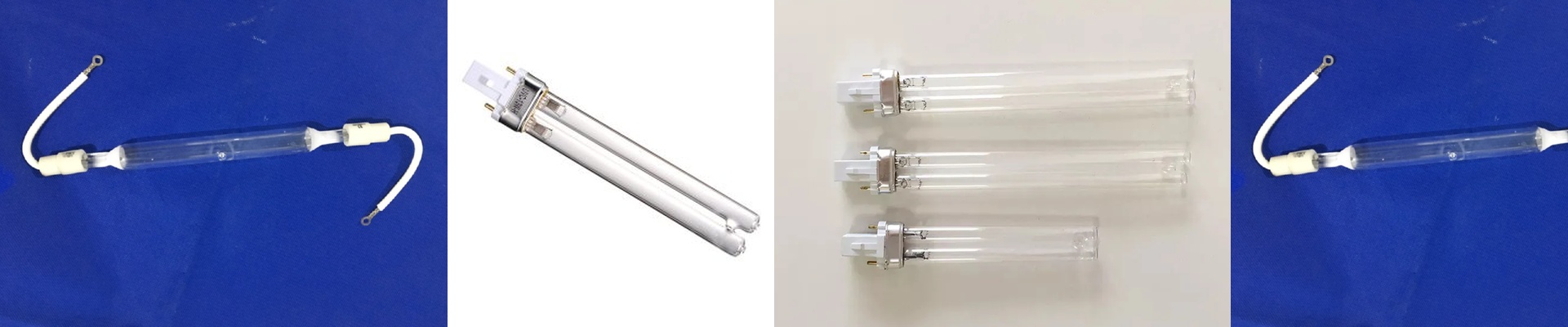
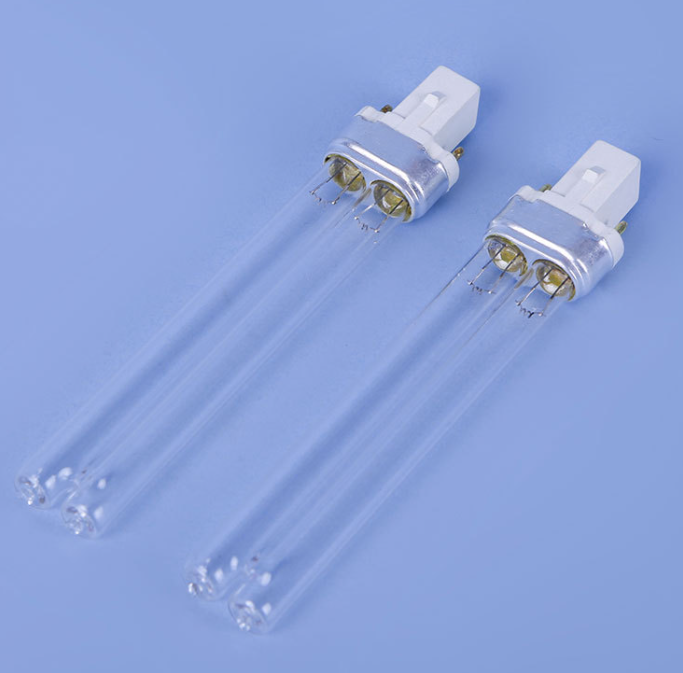
We use high-purity fused quartz because it lets the most UV light through. Depending on what you’re selling—maybe it’s for cleaning water or curing resin—we can tweak the glass dopants to shift the wavelength exactly where it needs to be. And then there are the connectors. This is usually where the cheap stuff fails. Nothing is worse than a lamp that doesn’t quite fit. We do standard or custom pin setups so your lamps just slide right into existing machines. Whether it’s a twist-lock or a slide-in, we weld the leads properly. That way, they can handle those initial power spikes without pitting the contacts or sparking.
Making it Work for Your Business
You tell us the technical boundaries, and we’ll handle the factory floor. We take care of the manufacturing consistency you need to scale up in the B2B world. You get a product that matches your electrical specs perfectly. This means your customers can just plug them in and go—no annoying rewiring of their ballasts required. We build the hardware. You own the market.