Stop Letting a Blown Lamp Kill Your Production Day
Walking around the 2026 Printing Expo, it felt like everyone was obsessed with bigger, bulkier hardware. But we wanted to talk about something different: modularity. Specifically, we wanted to fix that nightmare scenario where a lamp burns out or you need to change your specs, and suddenly your entire production line just… stops.
A Better Way to Build
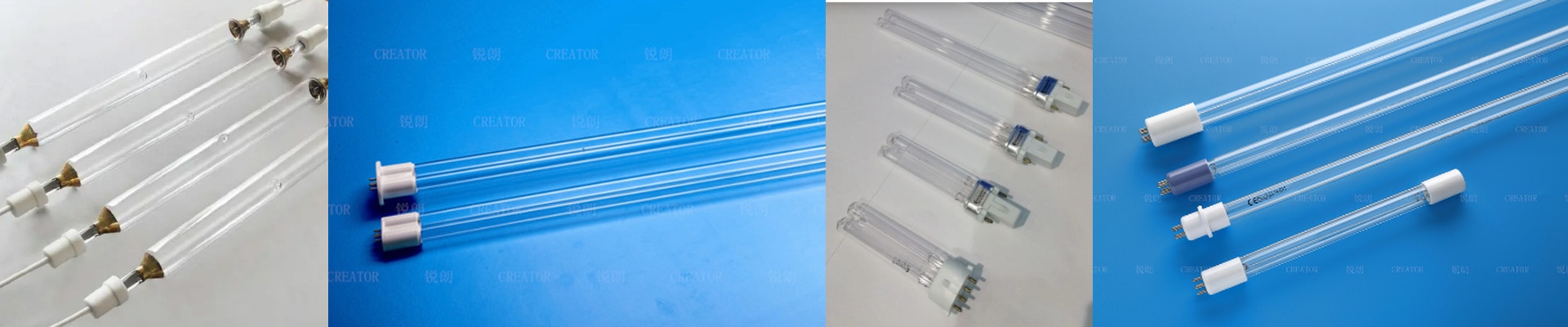
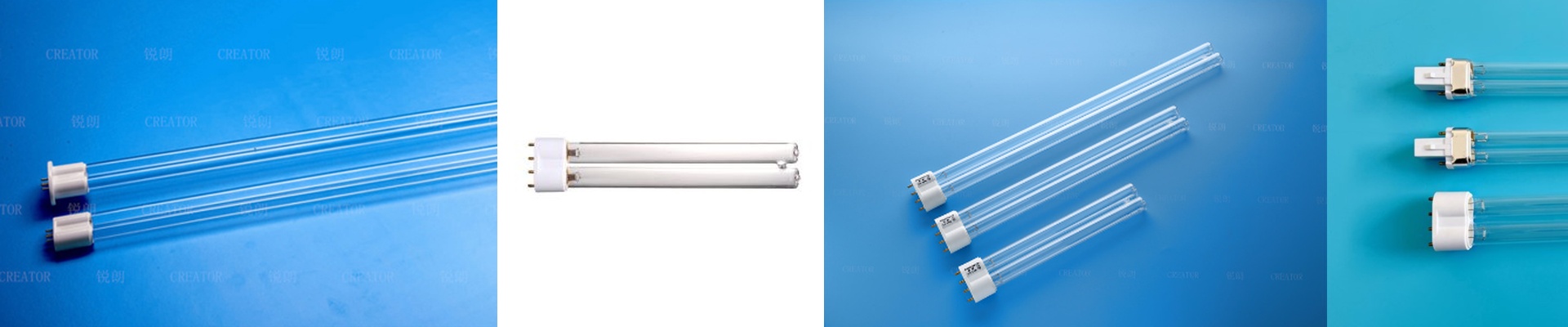
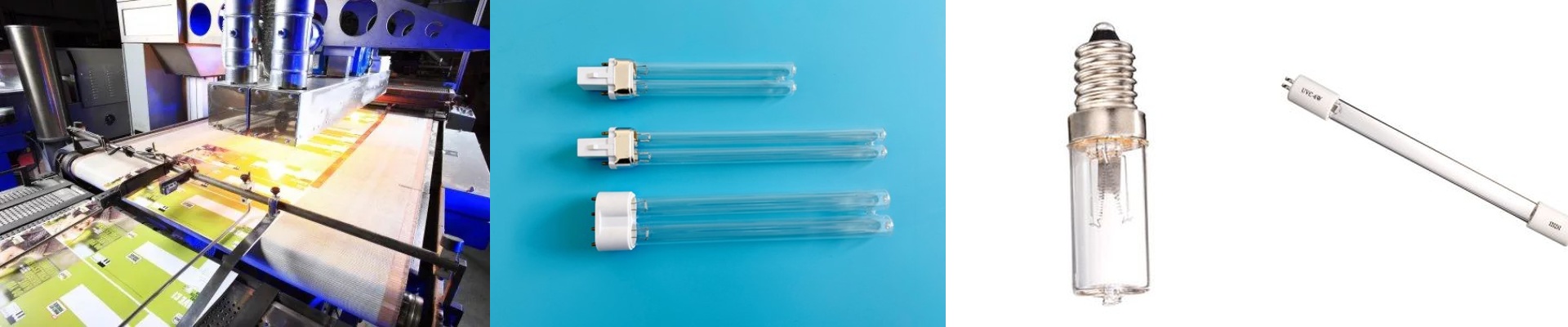
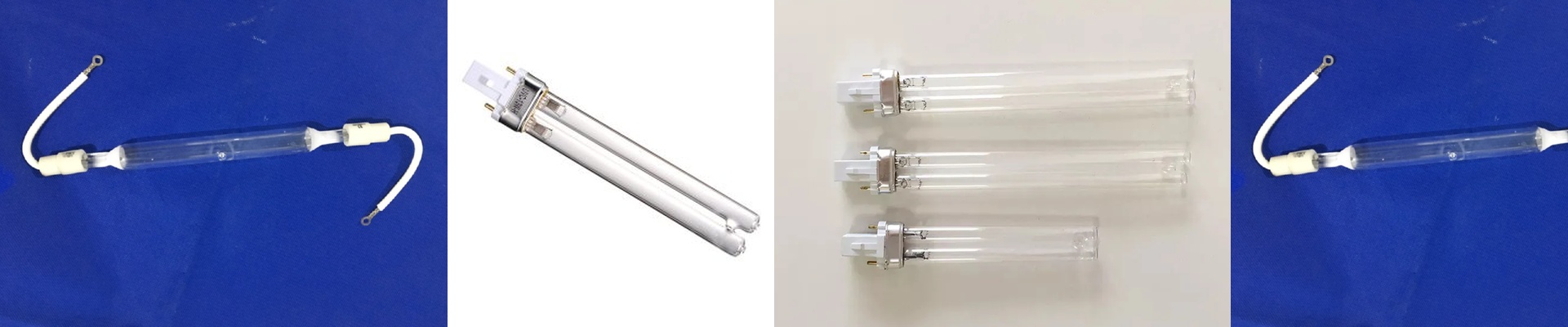
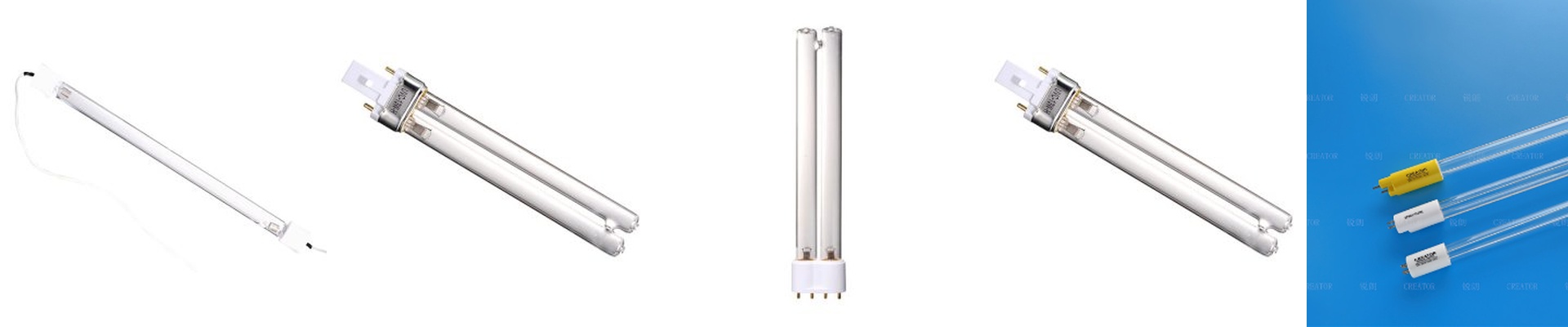
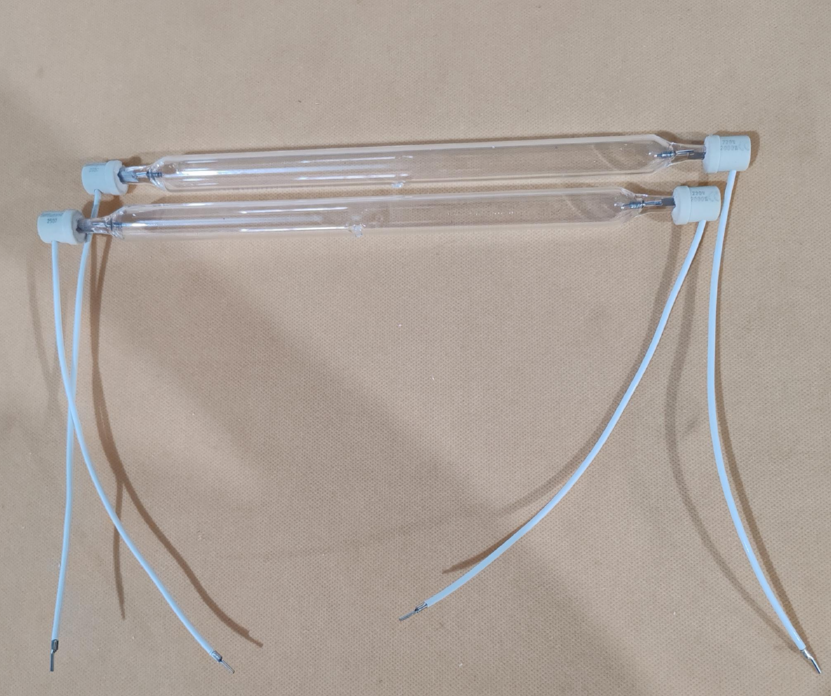
Most UV setups are a pain. If you want to change your curing intensity, you’re usually looking at a total system overhaul. We got tired of that. So, we built these “drop-in” modules. They fit right into the space you already have, but you can swap the lamp core without having to rewire the whole chassis. It turns a stressful, multi-hour ordeal into a job that takes a few minutes.**It’s fast. Really fast.**And that changes everything for your workflow.
The Heat Problem
Here’s the thing about wattage. To get more intensity, you might be tempted to push higher wattage into a shorter tube. But you can’t just ignore the heat that creates. If you go with a high-output module, you have to make sure your fans and heat sinks can actually handle the load. If they can’t, your reflectors will warp, and then you’re right back to square one with a broken line.
Matching the Ink
Not all inks are created equal. Some need a specific wavelength to actually cure properly. Depending on what you’re running—maybe high-speed PET or some weird specialty textile ink—we tweak the gas fill and phosphor coatings. We basically tune the light to match the chemistry of your ink so it actually sticks.
No More Guesswork
There’s nothing worse than a component vibrating loose while the machines are screaming at full speed. To stop that, we used reinforced connectors. You just slide the module in, lock the terminals, and flip the switch. It’s a simple mechanical fit. Your operators don’t have to be engineers to get it right, which means the line keeps moving and you can actually get home on time.