Let’s Talk About Industrial UV Curing
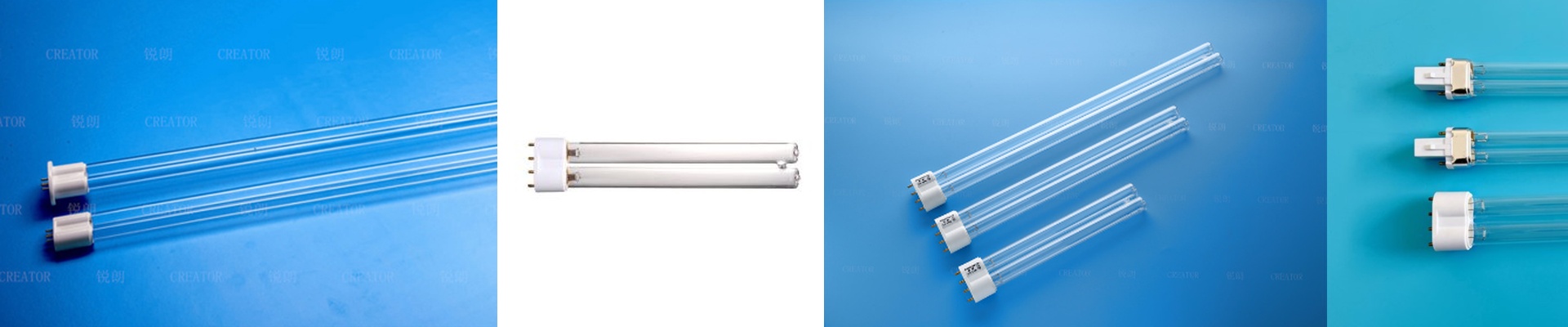
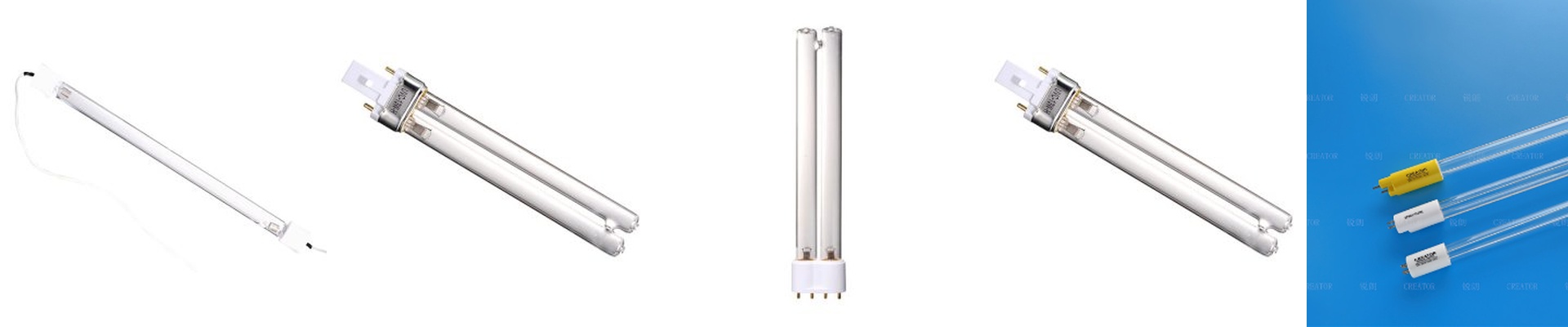
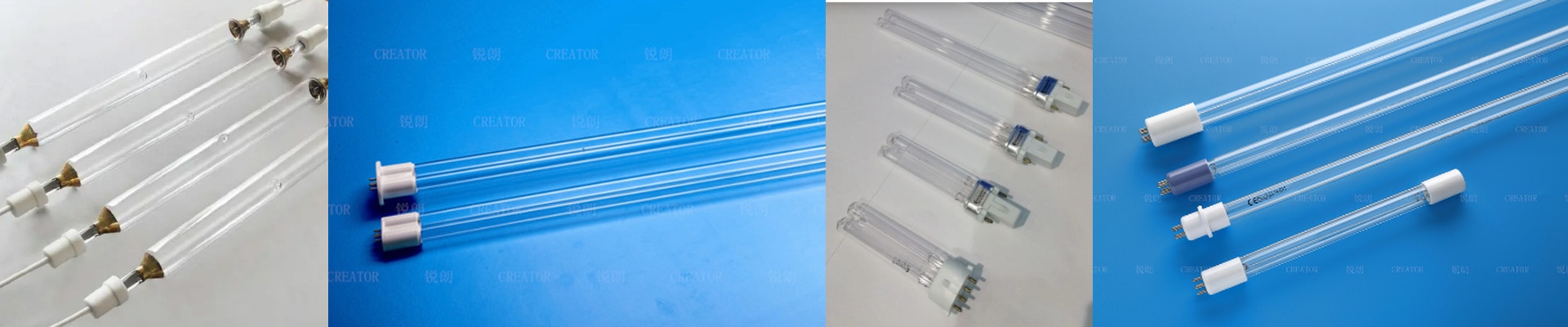
UV curing isn’t just about drying ink anymore. If you’re running a modern automated line, you have to look at those quartz UV tubes as the actual engine of your operation. They’re the heartbeat of the whole setup. We build them specifically to keep up with the kind of breakneck speeds you see in today’s factories.
Why the Quartz Actually Matters
We stick with high-purity fused quartz for a simple reason: it lets the shortwave UV radiation slide right through. If you used cheap glass, it would either block the energy or, more likely, just melt into a puddle. When you’re picking a lamp, remember that wattage and voltage dictate your irradiance. More wattage means more photons hitting your product, which lets you crank up your line speed. But there’s a catch. Pushing that much power into a small space creates an incredible amount of heat. If your cooling fans or water jackets can’t handle that thermal load, you’re going to fry your electrodes way sooner than you should.
The Nitty-Gritty of Design
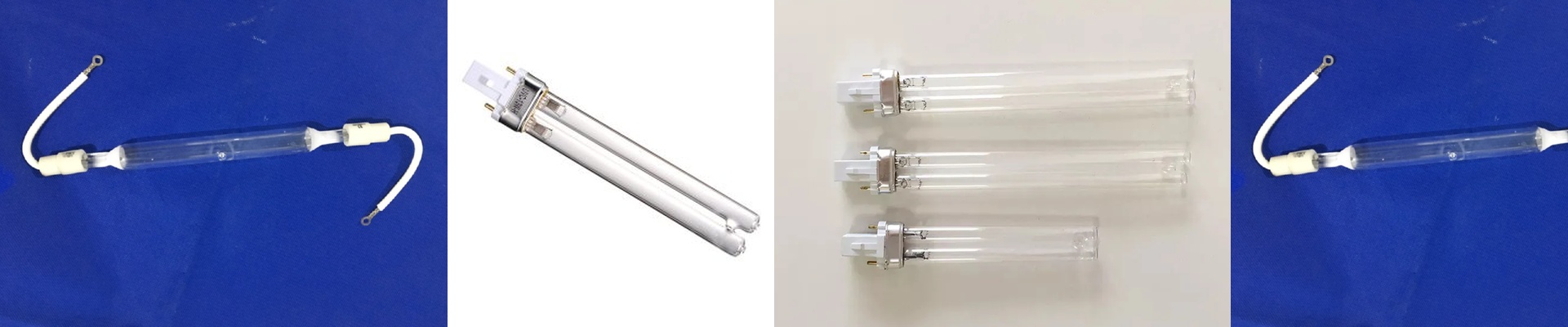
Whether you go with R7s or specialized pin bases, it really comes down to how much your machines shake and how the metal expands when it gets hot. Factories are noisy, vibrating places. That’s why we obsess over the arc tube positioning. We tighten those tolerances to stop “end-loss”—that annoying bit of energy that just wastes away at the tips of the tube. When the arc is perfectly centered, more UV hits your product and less heat beats up your reflector. It just works better.
Making it Work for You
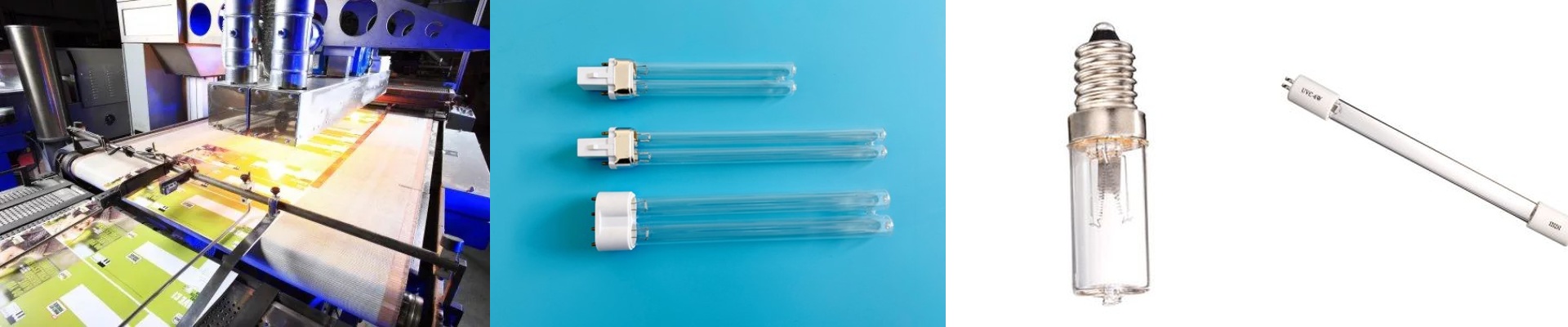
The good news is these lamps slide right into most industrial arrays. They’re a lifesaver for PET blowing or coating lines where the cure cycles are dragging. But you have to balance the trade-off. Running a lamp at 100% power is great for output, but it kills the tube’s lifespan. I usually suggest pulsing or modulating the power. It’s the sweet spot. You keep your throughput high, but you aren’t spending all your time replacing bulbs. It keeps the downtime low and your output steady.