Getting Your Industrial UV and IR Lamps Right
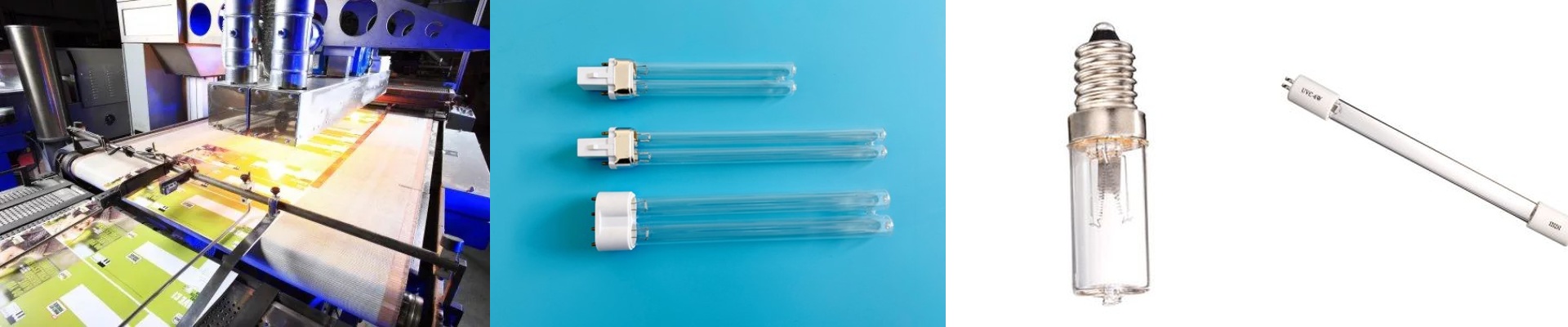
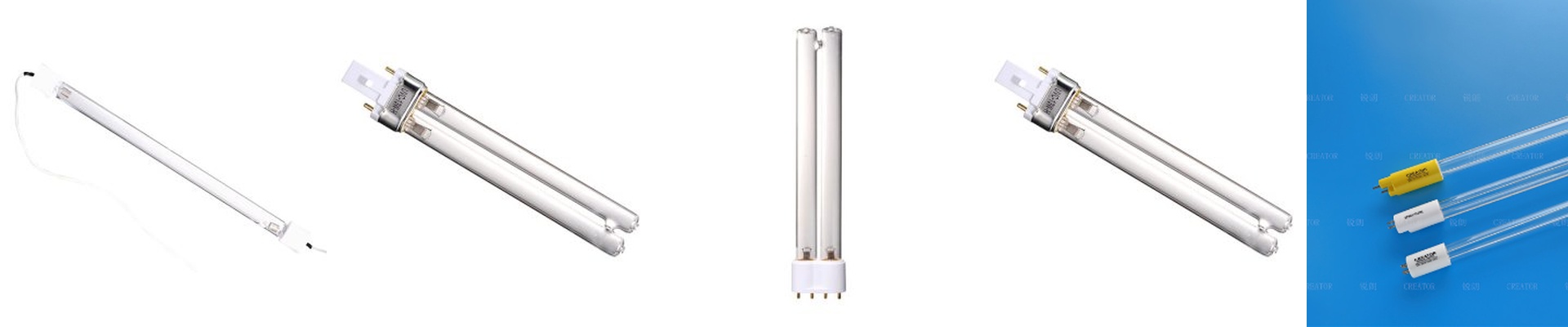
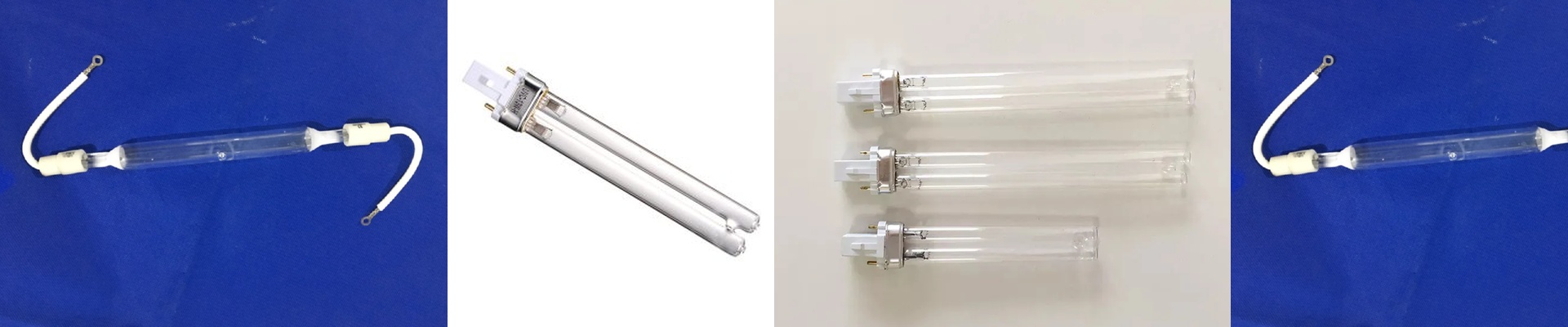
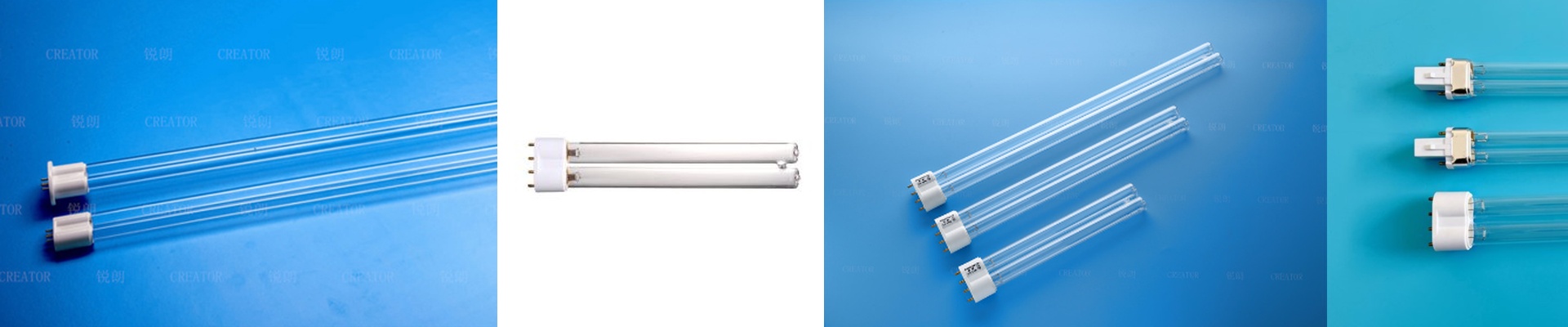
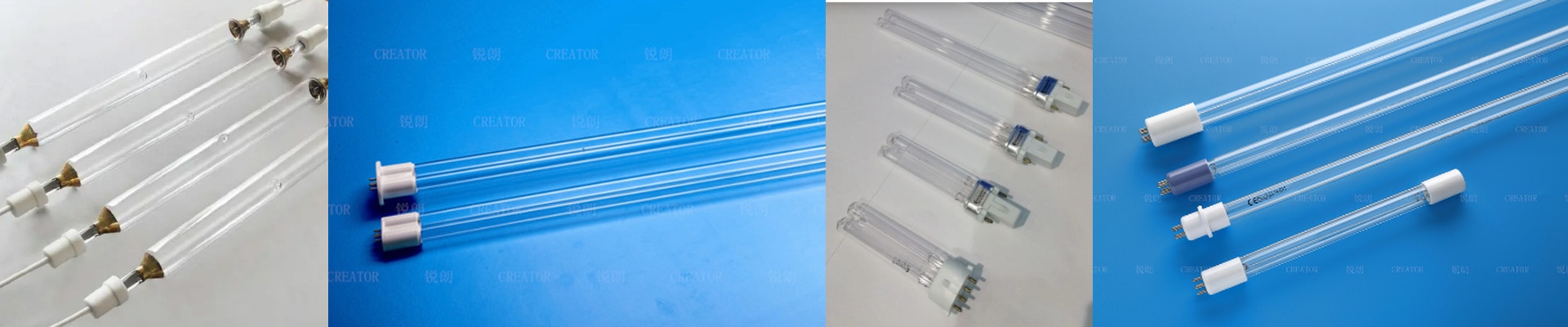
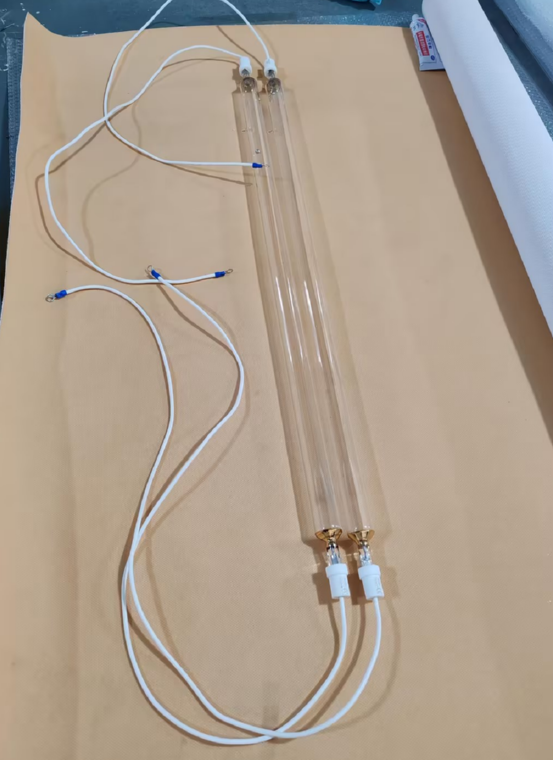
Let’s be honest: most engineers spend way too much time stressing over the trade-off between what a lamp costs and how precisely it actually performs. It’s a headache. We handle that by owning the whole process. From the moment we source the raw quartz to the second we seal the electrodes, we’re the ones doing the work. When you’re picking out a custom UV lamp, you aren’t just shopping for a glass tube. You’re basically managing a heat and light budget. Power and Heat: The Balancing Act We build these to fit your specific voltage and wattage, so they play nice with the power supplies you already have. Now, if you want a high-wattage density lamp to speed up your conveyor lines, that’s great. But there’s a catch. More power in a small space means a lot more heat. If your cooling blowers aren’t up to the task, your tubes are going to pop way sooner than they should. It’s a simple matter of airflow. The Stuff They’re Made Of We use high-purity synthetic quartz. Why? Because it lets the most UV light through without fighting it. For IR jobs, we can add different coatings to shift the spectrum to exactly where you need it. And here is where the cheap stuff usually falls apart: the seals. Whether you’re using a standard R7s or a specialized Sk15 connector, we weld those directly to the leads. No arcing. No gaps. We use a vacuum-sealed process to keep gas from leaking out, which keeps your lamp from burning out early. Making it Work on the Floor Our lamps are designed to be drop-in replacements. They just work. Since we’ve cut out the middle-man distributors, you aren’t paying a markup just for someone to move a box from point A to point B. You get the microwatts you need, and we give you the raw spectral data so you can dial in your line speed perfectly. If you’ve noticed your lamps are failing too often, it’s usually not the bulb itself. It’s often a clash between how the lamp expands when it gets hot and how the housing clamps hold it. If that’s happening to you, let us know. We can tweak the wall thickness of the tube to fix it.