Getting Your UV Curing Right Without the Headache
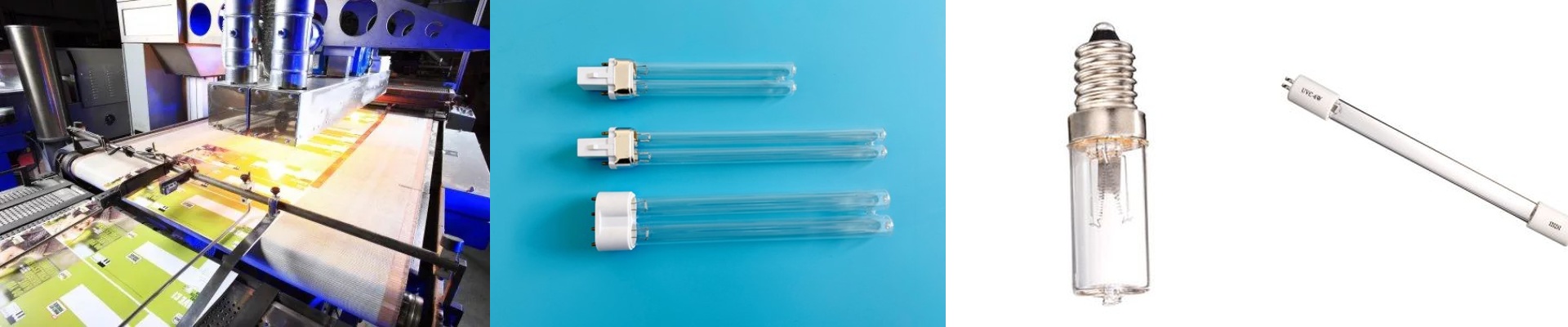
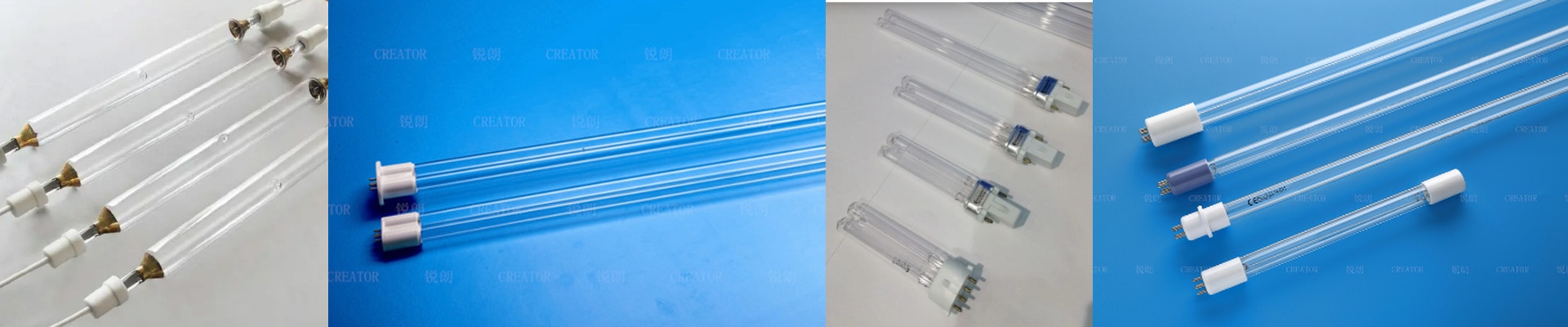
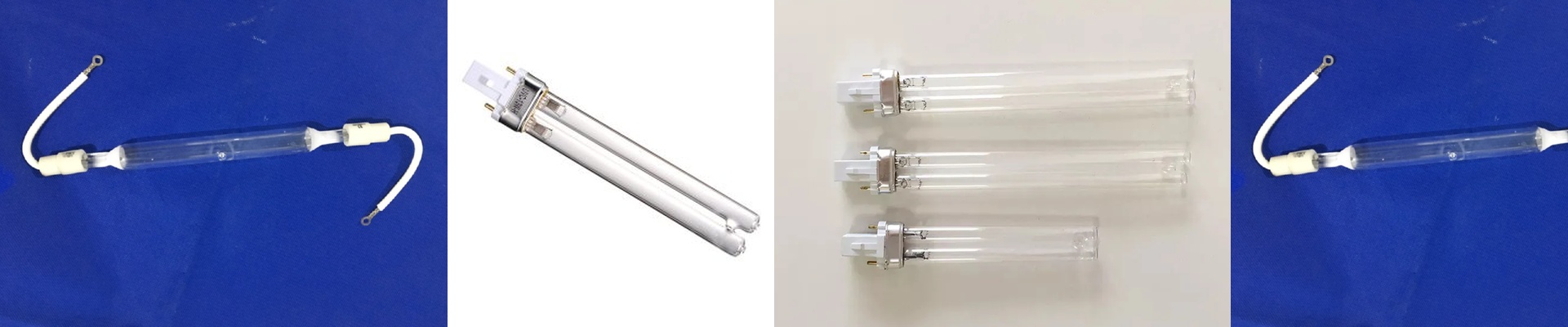
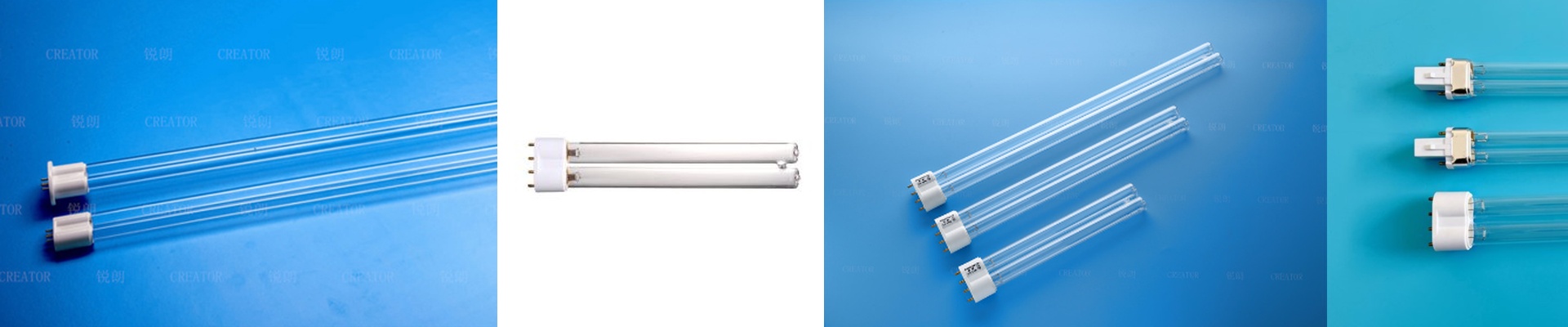
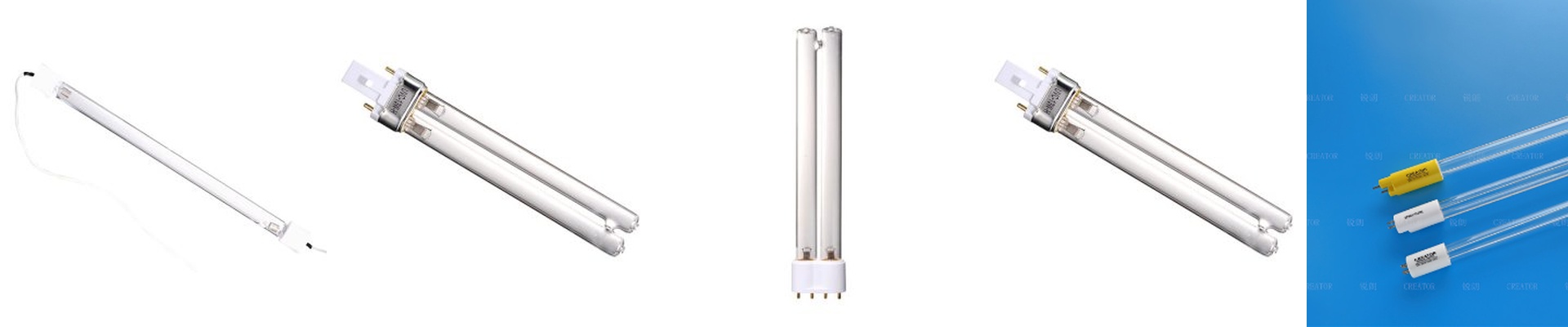
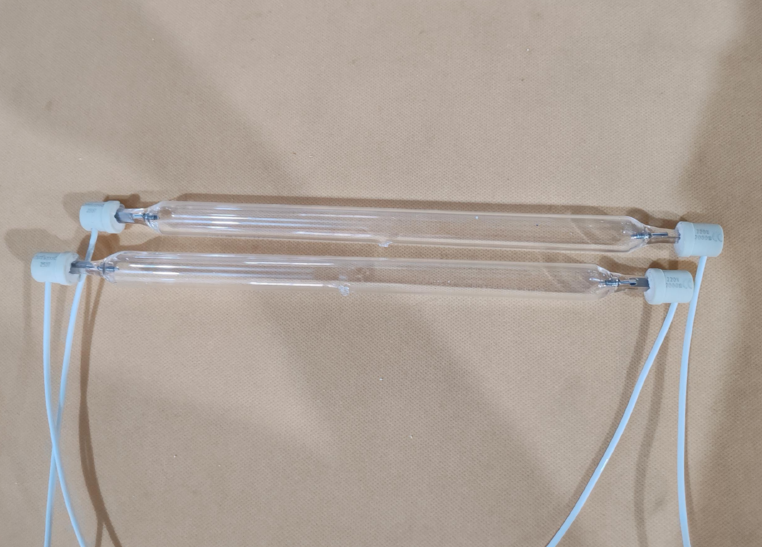
Basically, UV curing is just a fancy way of saying we use light to turn liquid ink into a solid. It happens fast. But to make it work across different product widths and speeds, you need a system that doesn’t lock you into one way of doing things. That’s why we went with a modular setup. Scaling up without the stress Here’s the thing: if you decide to speed up your conveyor belt, your ink is going to smear unless you pump in more light energy. Most systems make you rewire the whole shop just to add a bit more power. Not ours. You can just add more lamp heads as you grow. Just a heads-up, though—more wattage means more pull on your power supply. Double-check that your transformers can handle that initial “kick” when the lamps first strike, or you’ll be staring at a tripped breaker. Fighting the heat Inside the machine, we’ve got high-intensity lamps tucked into reflective aluminum chambers. These reflectors aren’t just for show; they push the beam straight onto your product so you aren’t wasting energy. We use quartz glass for the envelopes because it lets the UV light through without blocking the good stuff. But there’s a catch. These lamps gethot. Like, really hot. If you don’t manage that infrared heat, your substrates will warp. We’ve built in forced-air cooling to keep things chill. If those fans die or get clogged with dust, you’re in trouble. You’ll either see the ink quality tank or, if you’re printing on thin plastic, you might actually melt your product. Keeping it running We designed these to be “drop-in” systems. You don’t need to rebuild your entire line to use them. Plus, the brackets are adjustable. You can slide the lamp closer or further from the product to dial in the exact curing intensity you need. It’s a simple tweak, but it’s the only way to get it perfect. As for maintenance, swapping bulbs is a manual job, but it shouldn’t be a chore. We use standard connectors, so you can pop a burnt-out tube and slide in a new one in a couple of minutes. Just remember that UV bulbs lose their punch over time. After a few thousand hours, they just aren’t as strong. When you notice the cure isn’t hitting right, you’ve got two choices: slow down your line or put in some fresh lamps.