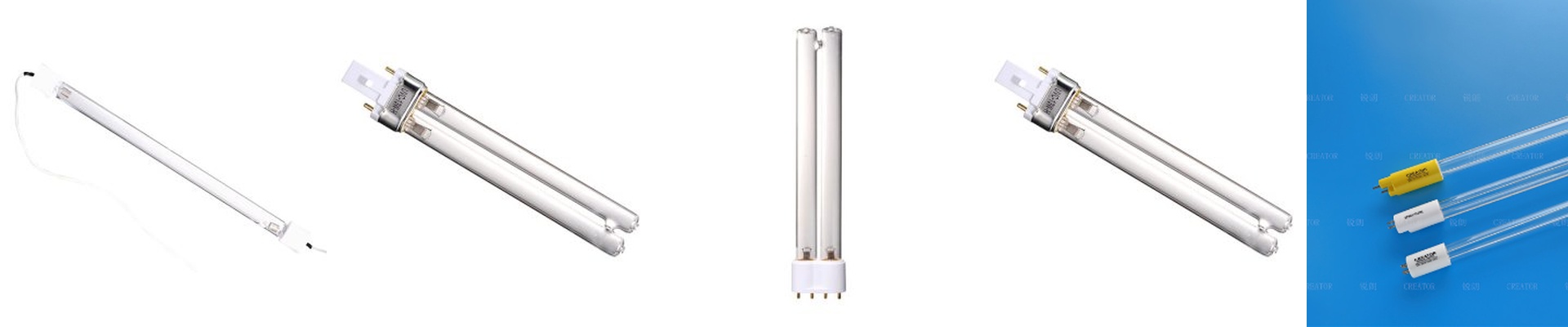
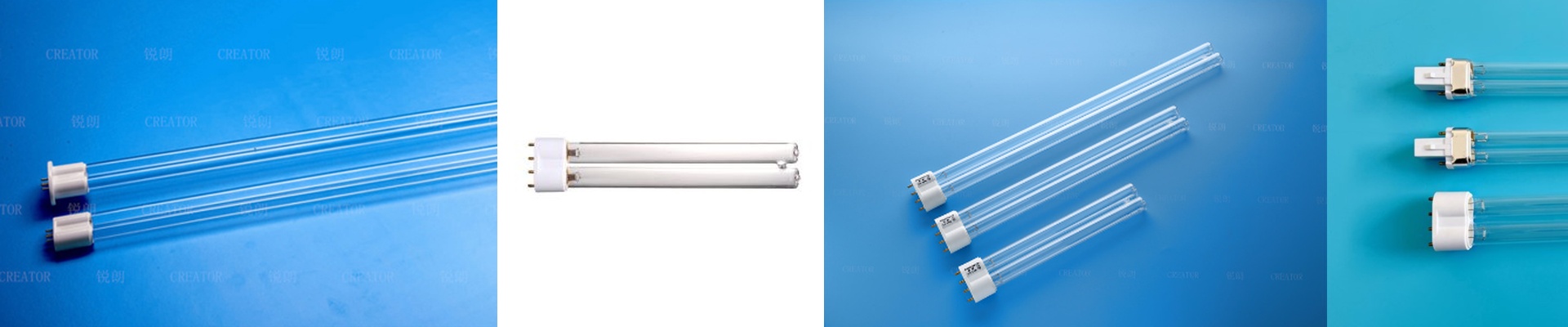
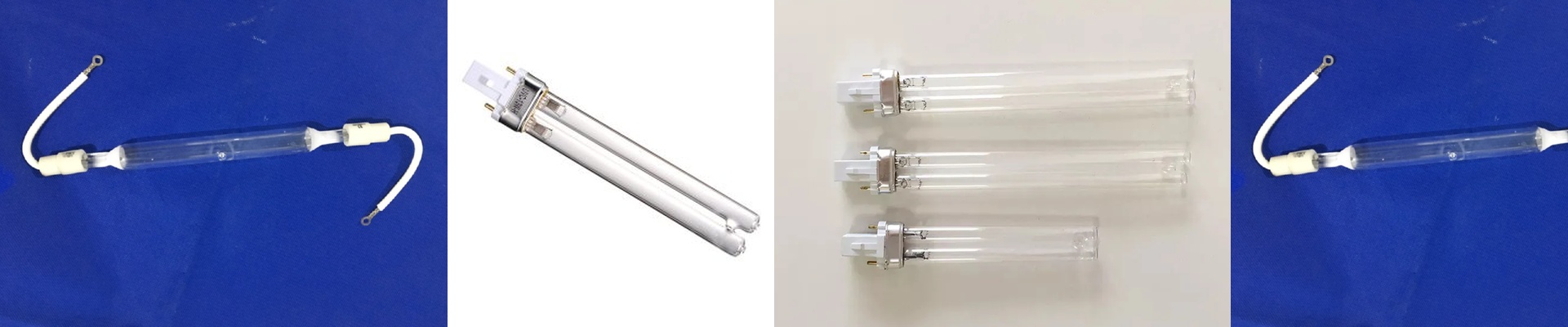
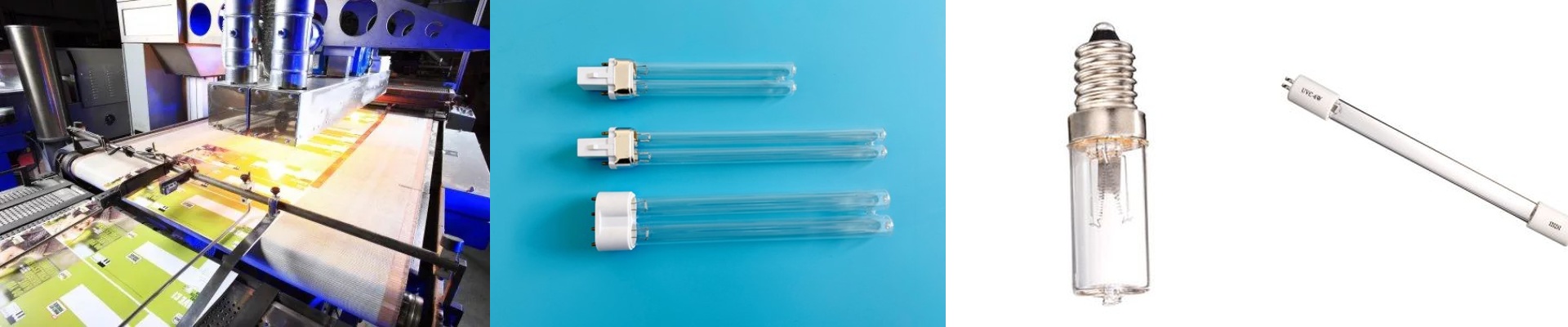
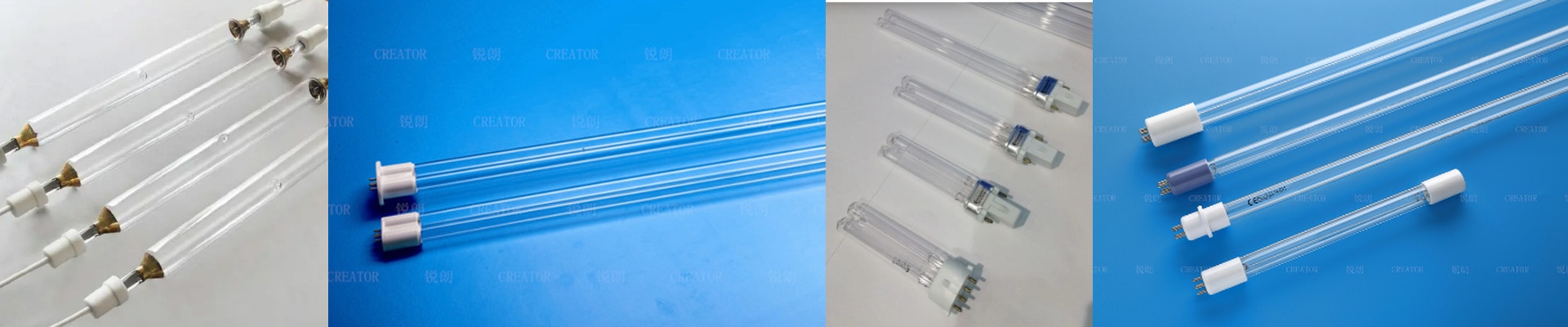
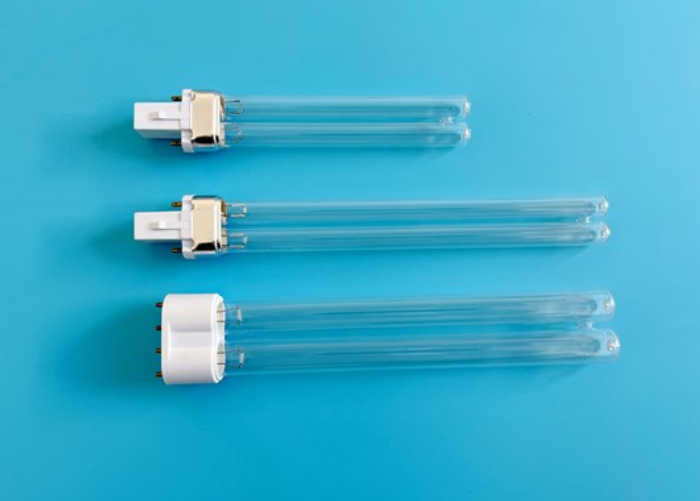
Getting Your UV Curing Just Right (Without the Big-Brand Markup)
Look, we get it. When you’re setting up a curing line, you aren’t just buying a lamp—you’re chasing a result. You need that coating or adhesive to lock in perfectly. If the UV output dips or the spectrum drifts, you end up with tacky surfaces and a pile of rejected parts. That’s a nightmare nobody wants on their shift. That’s why we build our custom lamps to hit the same power levels as the Tier-1 brands, but without the ego (or the price tag). The nitty-gritty on power Here is the thing about wattage and tube length: it’s a balancing act. If we cram more wattage into a shorter tube, things get hot. Fast. We spend a lot of time calibrating the electrodes so the arc stays steady from one end to the other. But a quick heads-up: your ballast has to play nice with our impedance specs. If the voltage is mismatched, you’re just asking for your electrodes to burn out way too soon. It’s all about the glass We use high-purity fused quartz because we don’t want the tube itself soaking up the UV. Whether you need UVC for a quick surface snap or UVA to reach deeper into the material, that light needs to get out of the tube and onto your product. If your substrate is a bit finicky with heat, let us know. We can use different coatings to shift the spectrum so you don’t accidentally bake your parts. Fitting them in These are designed as drop-in replacements. We stick to standard footprints, so you aren’t spending your weekend rewiring the whole conveyor system. It’s pretty straightforward. But there is a trade-off you should keep in mind. If we crank up the wattage to speed up your line, you’re adding more heat. Your cooling fans or water-jackets need to be up for the task. If the tube gets too hot, the quartz can stress and—pop—you’ve got a crack. Our promise We’re confident in the results. If our custom lamp doesn’t perform exactly like the expensive big-brand version, we’ll give you your money back. Simple as that.