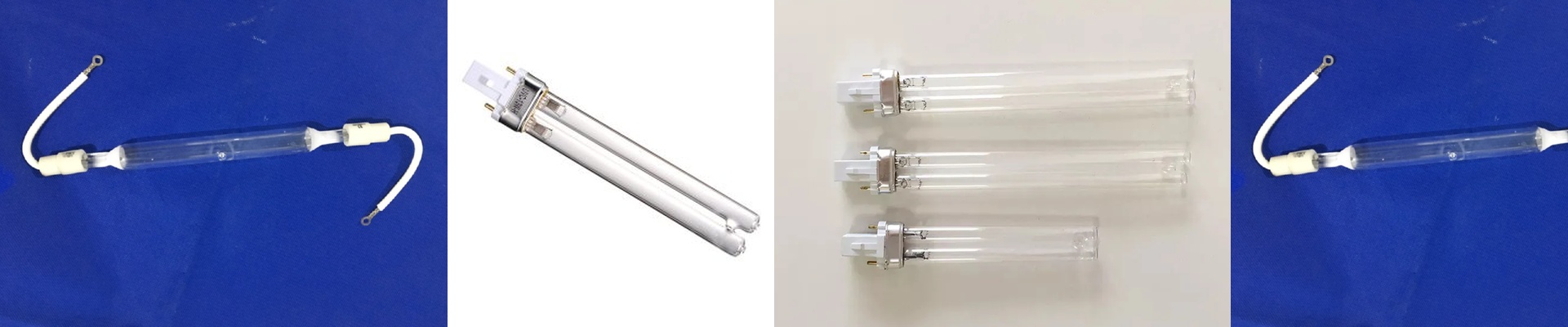
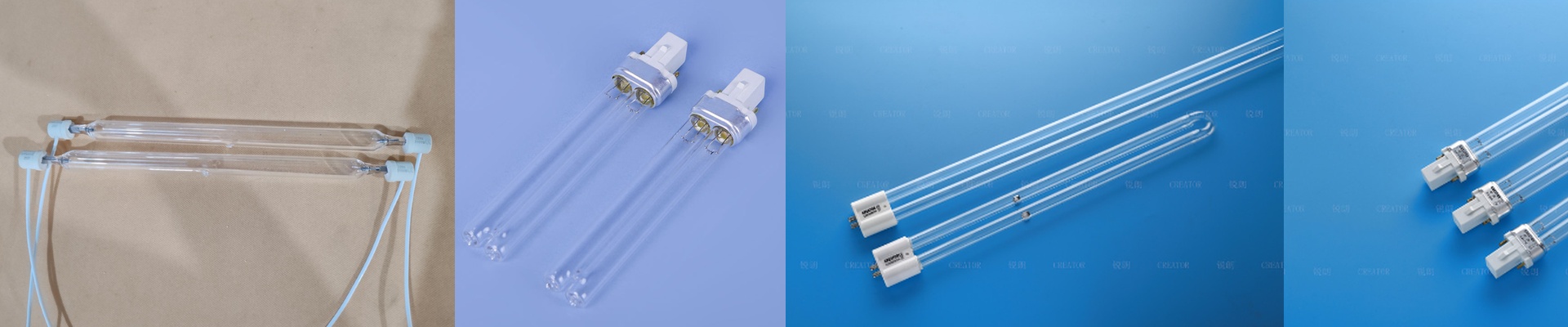

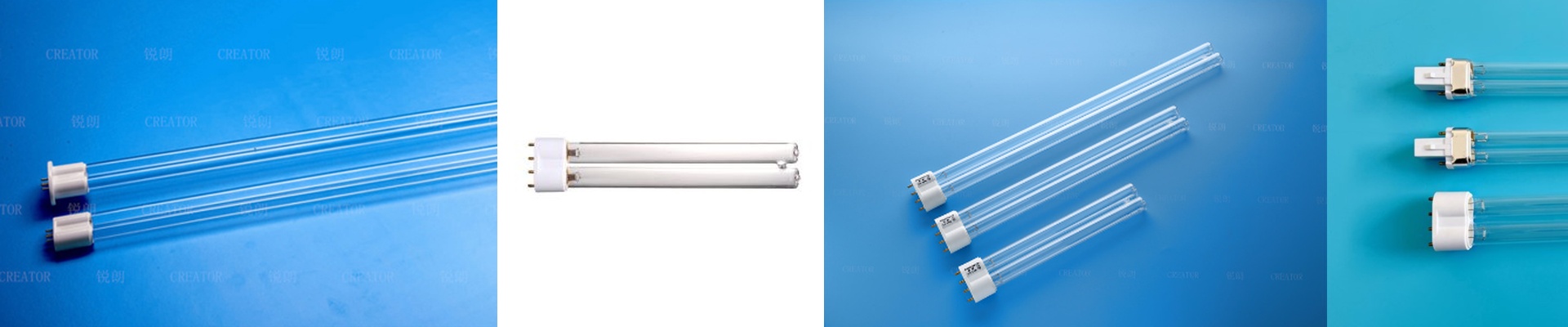
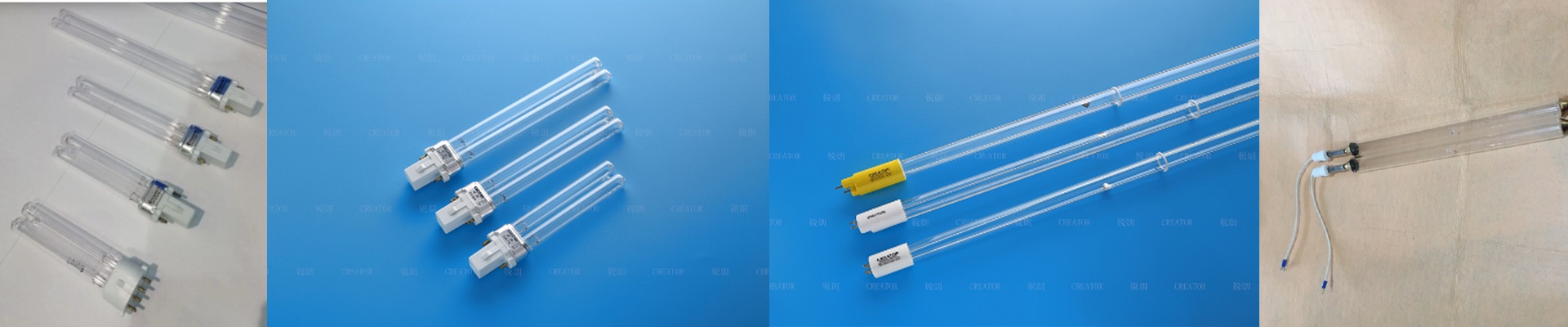
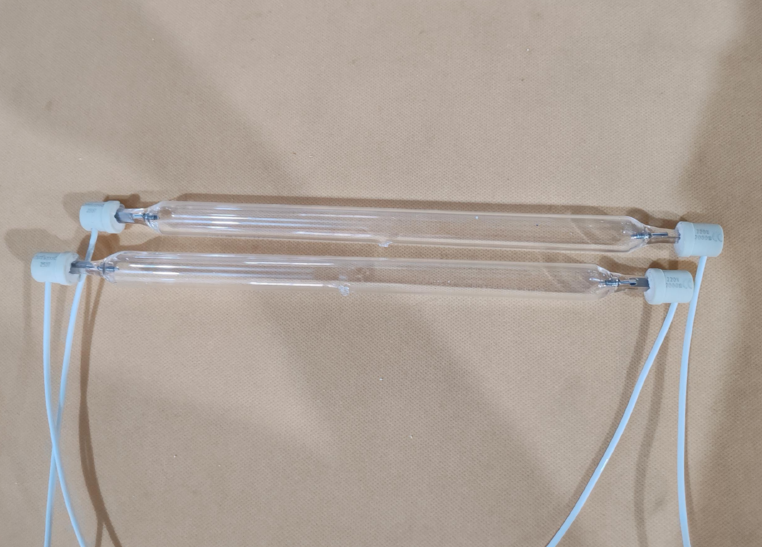
On the floor, medical packaging and sterile barriers don’t have room for half-cured ink or a disinfection pass that comes up short. Under-dosing shows up fast—adhesion failing on the folds, or worse, a microbial count that misses the medical-grade mark. The real question isn’t which lamp type exists; it’s which spectral output and dose profile will give you the cross-linking and microbial inactivation you need, without waste. What matters, technically UV curing comes down to photoinitiator absorption. Mercury vapor lamps throw down a broad spectrum, with strong output around 365 nm and shorter wavelengths that can help with surface cure and microbial inactivation. LED systems give you narrowband output—typically 365 nm, 385 nm, or 405 nm—so you can match the spectrum to the ink chemistry or to the absorption curve of the target microorganisms. In practice, the decision hinges on peak irradiance and energy density. Mercury lamps can hit high peak irradiance from a compact arc, which helps you cross-link fast, even on thick deposits. LEDs deliver stable, repeatable dose with instant on/off, which simplifies dose control and cuts warm-up variability. For disinfection, UVC (around 254 nm) is the effective germicidal band, and medical-grade performance depends on maintaining the required dose at the target surface—not just on lamp power. Why this fits the work we do A CE-certified UVC lamp built for medical-grade disinfection earns that rating by holding tight spectral purity and stable output over time. That stability is what gives you consistent log reduction on microbial challenge, because the delivered dose stays predictable shift after shift. Meanwhile, in printing, lamp choice has to follow the process physics. Offset presses often need a broad, high-intensity profile to penetrate films and clear overprint varnishes; mercury vapor systems with optimized dichroic reflectors can deliver the intensity and depth required. Flexo and screen lines running thinner layers, or inks tuned to 385 nm or 405 nm, can lean into LED’s narrowband match and precise dose repeatability—especially at high speeds, where immediate start and stop reduce substrate heating. Here’s what to keep straight Match the lamp to the machine geometry, reflector design, and the airflow you actually have. Mercury lamps can deliver high peak irradiance, but they demand controlled warm-up, stable ballast behavior, and periodic output verification; end-of-life output drift is real, so keep radiometer checks on the schedule. LED modules cut warm-up loss and make dose repeatability easier, but thermal management is non-negotiable—control junction temperature or you’ll watch output and lifetime degrade. In UVC disinfection zones, verify fluence (mJ/cm²) at the critical surface, and confirm ozone-free operation if your materials or airflow path are sensitive.