Getting Your UV Curing Right: No Fluff, Just Physics
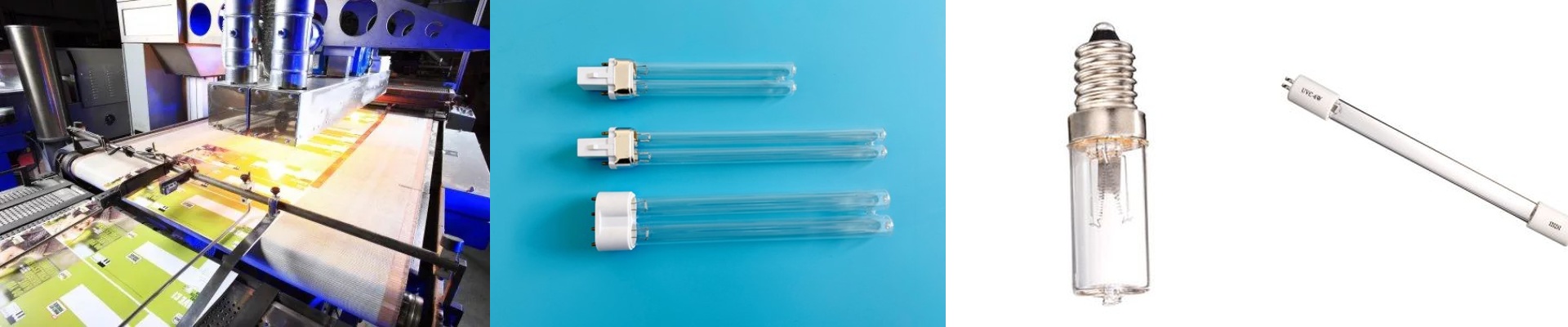
UV curing is basically just hitting ink or coatings with a precise burst of light to make them harden instantly. But here’s the thing: you can’t just throw any lamp at the problem. Depending on whether you’re drying a thin glaze on top or trying to set a thick adhesive deep down, you need a specific wavelength. We usually aim for that 365nm to 395nm sweet spot. If the wavelength is off, your product just won’t set.
Power, Heat, and the Speed of Your Line
When we talk about wattage and voltage, it’s not about who has the “biggest” lamp. It’s about your conveyor belt. If you want to crank up your production speed, you need more irradiance. That means more power so the ink doesn’t stay tacky as it flies past the lamp. But there’s a catch. High-intensity tubes getstinking hot. If your cooling fans or water-jackets can’t keep up with that heat, two things happen: your lamp dies way too early, and your materials might actually warp. It’s a balancing act.
The Details That Actually Matter
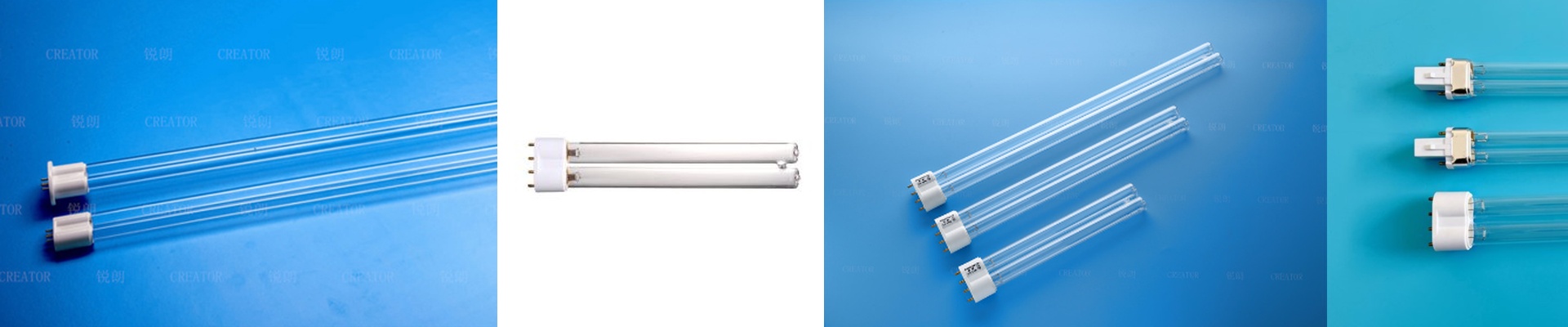
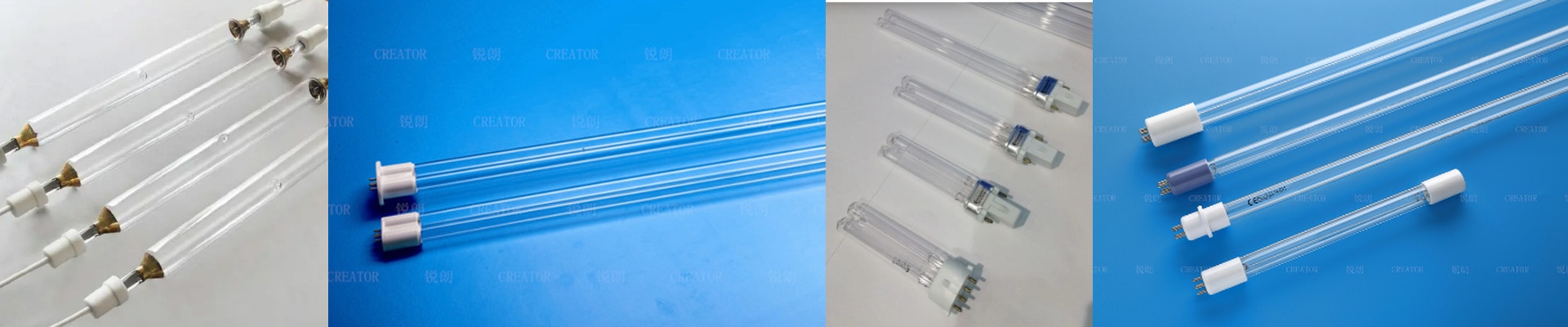
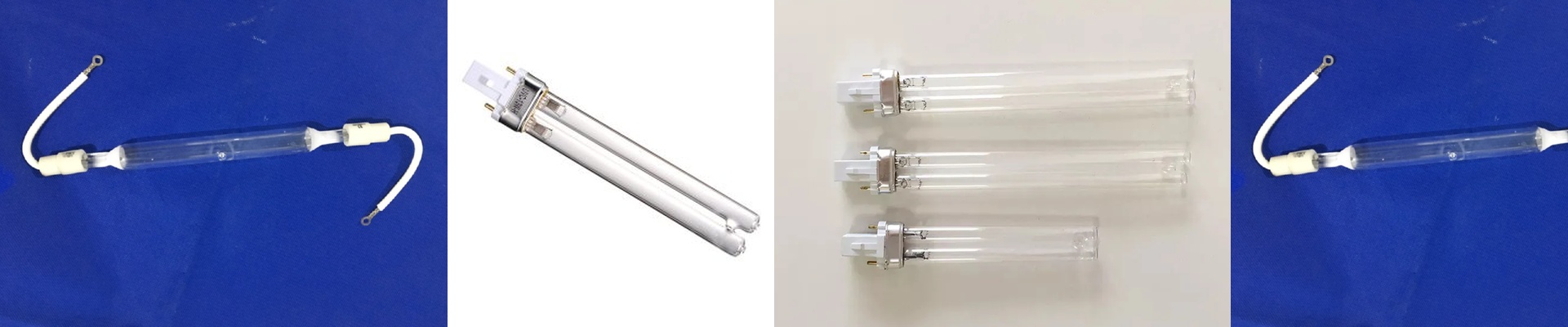
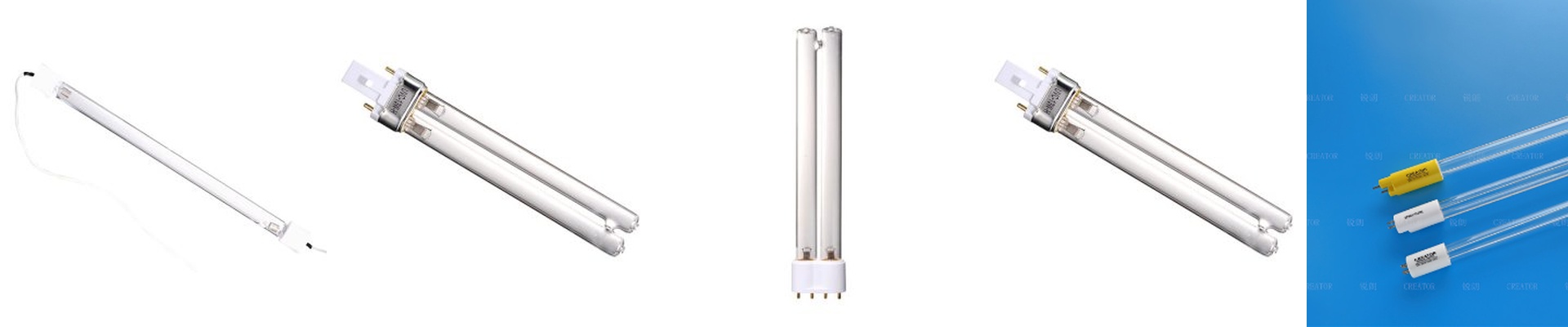
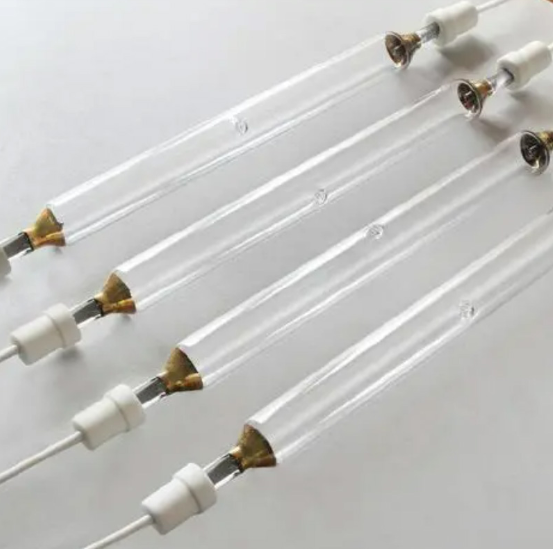
We use high-purity fused quartz for the bulbs. Why? Because regular glass blocks UV light. Quartz lets it fly right through. Sometimes we add special coatings to the glass to tweak the light or just to keep ink splatters from ruining the bulb. We also obsess over the end-caps. A loose connection at the socket causes arcing—those little electric sparks—and that’s a fast track to a dead lamp.
Making It Work in the Real World
These lamps are designed to slide right into most industrial presses. You wire them in, set your distance, and dial in the intensity. But here is where most people trip up: the reflector. If the lamp doesn’t fit the reflector perfectly, or if it’s slightly crooked, you’re wasting about 20% of your energy. That light is just disappearing into the air instead of hitting your product. In the end, how you actually install the thing matters way more than the numbers printed on the box.