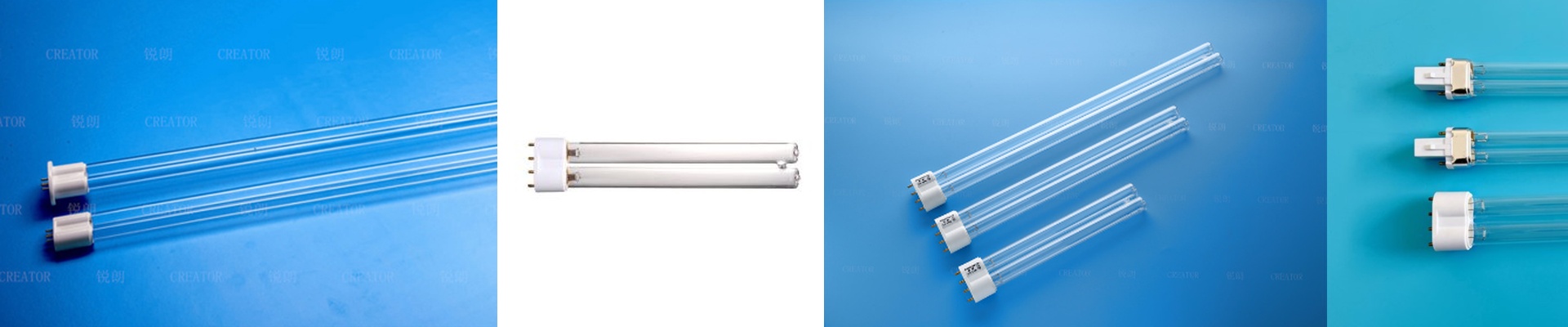
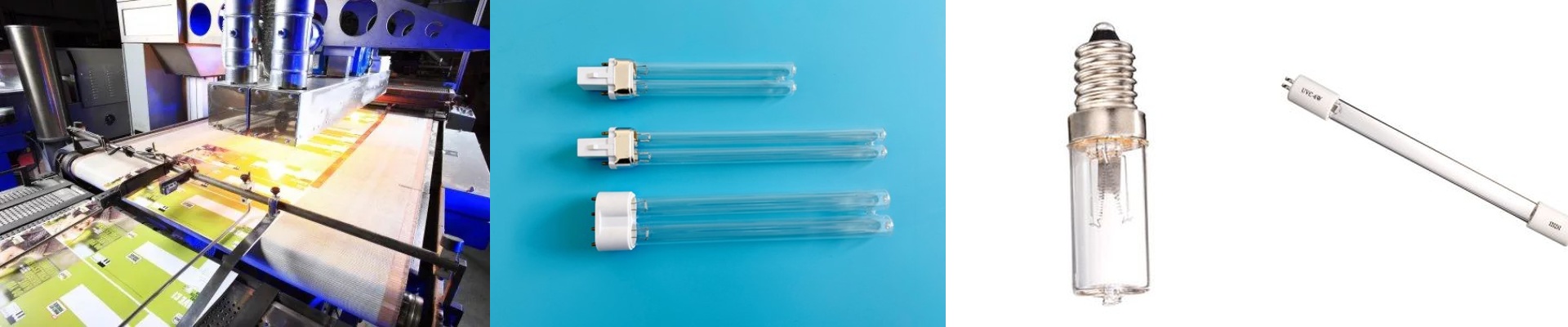
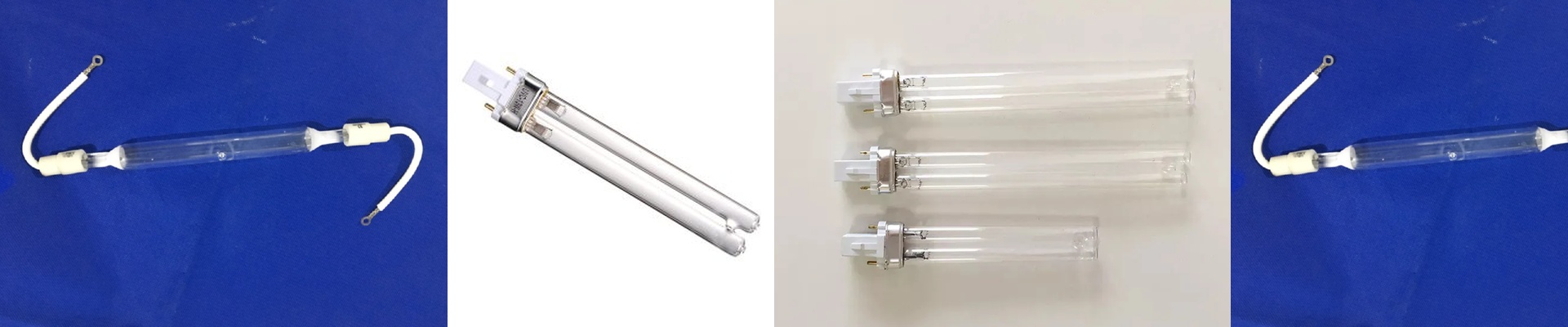
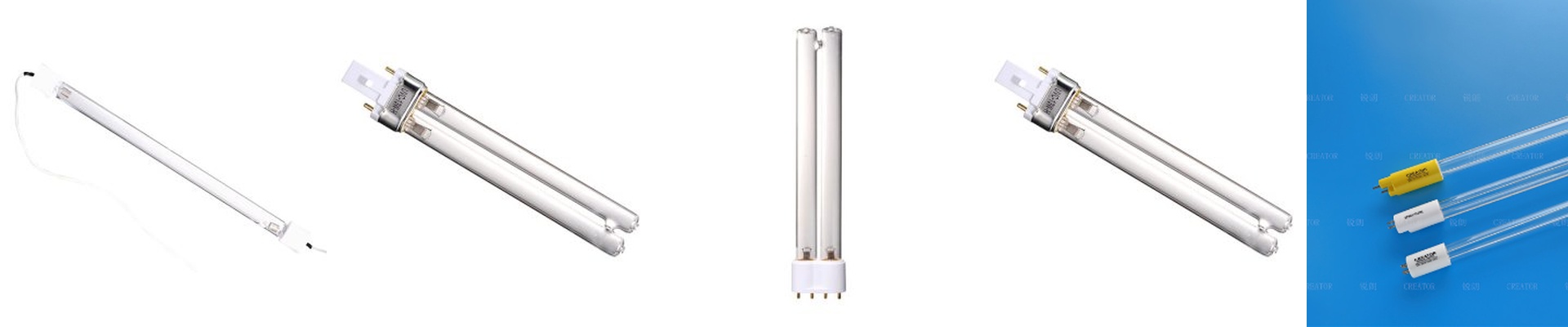
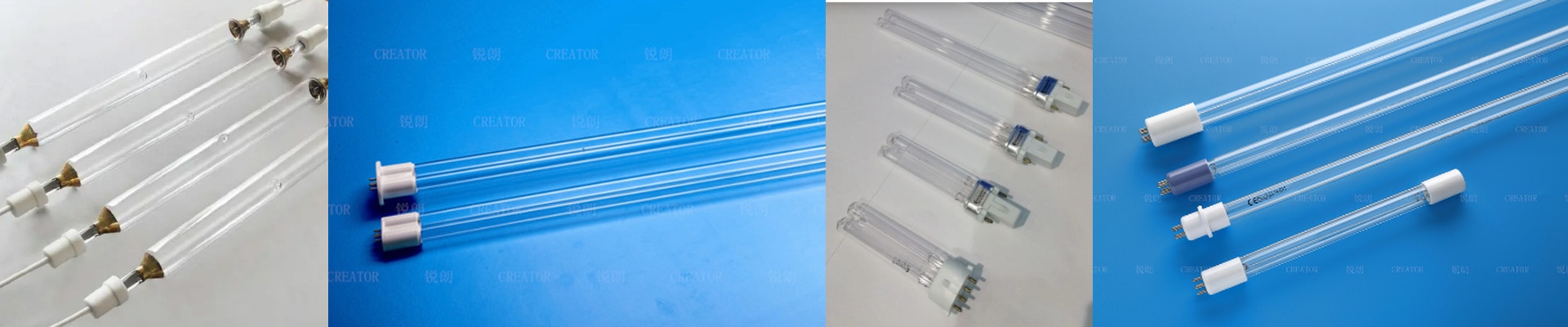
Let’s talk about the 80W/cm Mercury UV Lamp
When we built our standard mercury UV lamps, we didn’t want to make just another bulb. We aimed for a power density of 80W/cm because that’s where the real magic happens for high-speed curing and sterilization. It’s more of a precision tool than a piece of hardware. The power behind the light At 80W/cm, you’re getting a concentrated blast of short-wave UV radiation. We use a mercury-vapor discharge to hit that 254nm peak. Why? Because that’s the sweet spot. It’s exactly what you need to snap molecular bonds in resins or wipe out microbial DNA. The best part is the speed. When you’re running a conveyor belt, you can’t afford to slow down. This power density makes sure the UV dose hits the surface fast enough that you don’t end up with tacky edges or under-cured spots. Dealing with the heat We use high-purity fused quartz for the outer shell. Standard glass is a no-go here—it would either block the UV rays or simply melt. Quartz lets the light fly through without getting in the way. But there’s a catch. Putting this much power into a narrow tube creates a ton of heat. It gets hot. Really hot. If your cooling system isn’t up to the task of pulling that heat away, the quartz will degrade and your electrodes will burn out way sooner than they should. Getting it into your line We handle everything ourselves, from the quartz tubing to the electrodes. By cutting out the middleman, we can keep the price down without messing around with the gas purity. These are designed to be simple drop-in replacements for most industrial ovens. Just wire them to a standard ballast and they’re up to temperature in seconds. One quick tip: keep your reflectors clean. A bit of dust might seem harmless, but it kills the output of an 80W/cm lamp faster than almost anything else. Give them a wipe, and you’re good to go.